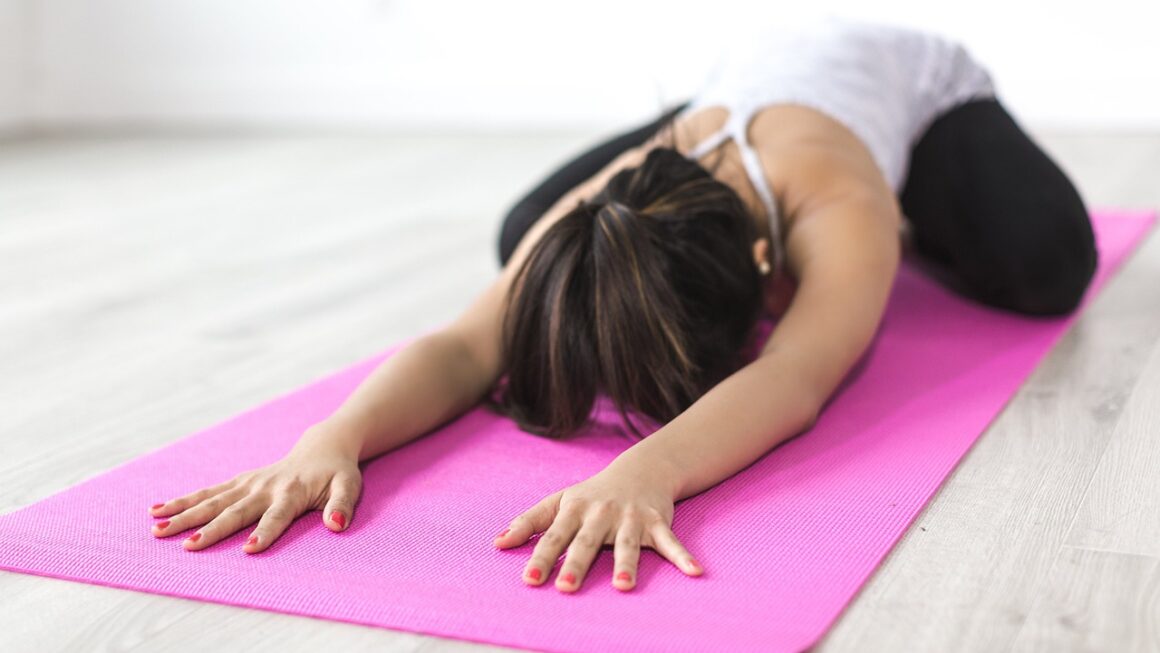
In the expansive and often challenging world of yoga, practitioners continually seek tools that can enhance their journey, deepen their understanding of poses, and expand their physical capabilities. While dedicated yogis often marvel at the effortless flexibility and strength of seasoned teachers, many find themselves struggling to reach, stretch, or balance with the same grace. This is where the humble yet mighty yoga strap enters the scene – a simple accessory that can revolutionize your practice, making advanced poses accessible and fundamental stretches more profound. Far from being a crutch, a yoga strap is a powerful ally for yogis of all levels, promising to unlock new dimensions of your practice and foster a deeper connection with your body.
Understanding the Yoga Strap: Your Essential Prop
Often overlooked by beginners or deemed unnecessary by those with perceived flexibility, the yoga strap is, in fact, one of the most versatile and beneficial props available. It acts as an extension of your limbs, bridging the gap when your hands can’t quite reach your feet, or when you need a gentle assist to deepen a stretch without strain.
What Exactly is a Yoga Strap?
At its core, a yoga strap is a long piece of durable webbing, typically made from cotton, polyester, or hemp, often equipped with a buckle (usually a D-ring or cinch buckle) at one end. Its primary purpose is to help yogis:
- Extend Reach: When limbs are too short or flexibility is limited to grasp parts of the body or the floor.
- Deepen Stretches: To apply gentle, consistent tension, allowing muscles to lengthen safely over time.
- Improve Alignment: To maintain correct form in challenging poses, preventing compensatory movements that can lead to injury.
- Provide Support and Stability: In certain balancing or binding poses.
Materials and Lengths: A Quick Guide
Yoga straps come in various materials and lengths, each offering a slightly different experience:
- Materials:
- Cotton: Soft, comfortable, good grip, and absorbent. A popular choice for its natural feel.
- Polyester: More durable, less prone to stretching, and often smoother, making it easier to slide.
- Hemp: Eco-friendly, very strong, and durable, often with a slightly coarser texture.
- Lengths:
- 6 feet (1.8 meters): Standard length, suitable for most individuals and common stretches.
- 8 feet (2.4 meters): Ideal for taller individuals, those with less flexibility, or for poses requiring a longer reach (e.g., binding poses, shoulder stretches).
- 10 feet (3 meters): Best for very tall individuals or advanced practitioners exploring complex wraps and binds.
- Buckles:
- D-ring Buckle: Two metal rings that you thread the strap through to create a secure, adjustable loop. Very common and reliable.
- Cinch Buckle: A quick-release buckle that allows for fast adjustments, though sometimes less secure than D-rings under extreme tension.
Unlocking Your Potential: Benefits of Integrating a Yoga Strap
Incorporating a yoga strap into your regular practice can yield a multitude of benefits, transforming previously challenging postures into accessible and enjoyable experiences.
Enhancing Flexibility and Reach
One of the most obvious benefits of a yoga strap is its ability to extend your reach, allowing you to access deeper stretches safely.
- Bridge the Gap: For poses like Seated Forward Fold (Paschimottanasana) or Reclined Hand-to-Big-Toe Pose (Supta Padangusthasana), the strap allows you to hold your feet or toes even if your hamstrings are tight, ensuring a long spine and proper form rather than rounding your back to reach.
- Deepen Stretches Gradually: The strap enables you to apply consistent, controlled tension, encouraging muscles to lengthen over time without sudden jerks or overstretching. This gradual approach is key to sustainable flexibility gains. For example, in shoulder stretches, the strap helps open the chest and shoulders without strain.
- Build Range of Motion: By consistently engaging muscles at their end range of motion with assistance, you gradually expand your body’s natural limits.
Improving Alignment and Posture
Correct alignment is paramount in yoga to prevent injuries and maximize the benefits of each pose. A yoga strap is an excellent tool for achieving and maintaining proper form.
- Maintain a Long Spine: In seated forward folds, beginners often round their back to reach their feet. The strap helps keep the spine long and chest open, shifting the stretch to the hamstrings, where it belongs.
- Square Hips: In poses like Reclined Hand-to-Big-Toe, the strap can help you keep your hips level and grounded, preventing you from tilting.
- Shoulder Stability and Opening: Using a strap for shoulder stretches (like in Cow Face Pose arms or shoulder flossing) can improve rotator cuff health and open the chest, counteracting the effects of prolonged sitting.
- Feedback for Posture: A strap can be used to provide tactile feedback, helping you become more aware of your body’s alignment, for example, by wrapping it around your shoulders to encourage a wider collarbone and proper posture in Tadasana (Mountain Pose).
Supporting Beginners and Advanced Practitioners Alike
The beauty of the yoga strap lies in its universal utility, catering to diverse needs across all skill levels.
- For Beginners:
- Access Inaccessible Poses: It makes challenging poses achievable, building confidence and reducing frustration.
- Learn Proper Form: It helps develop muscle memory for correct alignment before full flexibility is achieved.
- Prevent Injury: By preventing overstretching and compensating with incorrect form.
- For Advanced Yogis:
- Explore Deeper Variations: Once a pose is accessible, the strap can be used to deepen the stretch, extend holding times, or work on specific muscle groups with more intensity.
- Enhance Strength and Endurance: By providing resistance in certain exercises or helping to stabilize challenging arm balances and inversions.
- Refine Alignment: Even advanced practitioners can benefit from the subtle cues a strap provides for pinpointing precise alignment.
Actionable Takeaway: Start by identifying 2-3 poses in your current practice where you struggle with reach or alignment, and consciously introduce the strap to address those challenges. You’ll be surprised at the immediate improvement!
Practical Applications: How to Use Your Yoga Strap in Key Poses
To truly appreciate the versatility of a yoga strap, let’s explore its practical application in some common yoga poses.
Seated Forward Fold (Paschimottanasana)
This pose is a classic hamstring stretch, but many people round their back attempting to reach their feet. The strap fixes this.
- Sit tall with legs extended straight in front of you.
- Loop the strap around the balls of your feet. Hold an end of the strap in each hand.
- Inhale, lengthen your spine, drawing your shoulders back.
- Exhale, gently hinge from your hips, keeping your spine long and chest open. Use the strap to guide your torso forward without rounding your back.
- Focus: Feel the stretch primarily in your hamstrings and calves, not your lower back.
Reclined Hand-to-Big-Toe Pose (Supta Padangusthasana)
An excellent pose for hamstring and hip flexibility, performed lying down.
- Lie on your back with both legs extended.
- Bend your right knee and loop the strap around the arch of your right foot.
- Extend your right leg towards the ceiling, using the strap to support the leg. Hold both ends of the strap with your right hand.
- Keep your left leg straight and grounded, and ensure your hips remain level.
- Gently draw your right leg closer to your torso, feeling the stretch in the back of your thigh.
- Focus: Maintain a long spine on the mat and avoid lifting your opposite hip.
Cow Face Pose Arms (Gomukhasana Arms)
This helps improve shoulder mobility and opens the chest.
- Sit in a comfortable position (or in full Gomukhasana if you can).
- Hold one end of the strap in your right hand. Reach your right arm up, bending at the elbow, and let the strap hang down your back.
- Reach your left arm behind your back, bending at the elbow, and try to grasp the dangling strap with your left hand.
- Walk your hands closer together along the strap. If you can’t reach, use the strap to bridge the gap.
- Focus: Keep your chest open and avoid hunching your shoulders.
Dancer’s Pose (Natarajasana)
A beautiful balance and backbend, made more accessible with a strap.
- Stand in Tadasana (Mountain Pose).
- Shift your weight to your left foot. Bend your right knee and grasp your right ankle with your right hand. (If you can’t reach, loop the strap around your right ankle and hold the strap with your right hand.)
- Lift your left arm forward for balance.
- On an exhale, kick your right foot back into your hand/strap, lifting your leg higher and gently arching your back.
- Focus: Maintain balance, open the chest, and create a controlled backbend.
Actionable Takeaway: Don’t be afraid to experiment! The strap is a versatile tool. Try using it in new ways or adjusting its length to find the perfect level of assistance for your body in various poses.
Choosing and Caring for Your Yoga Strap
To ensure your yoga strap serves you well and lasts for years, it’s important to select the right one and maintain it properly.
Selecting the Ideal Strap for Your Practice
Consider your height, flexibility, and the types of poses you’ll primarily use the strap for:
- Length:
- 6ft: Good starting point for average height and general flexibility.
- 8ft: Recommended for taller individuals (over 5’8″) or those with very limited flexibility, especially for shoulder work or seated forward folds.
- 10ft: Best for very tall individuals or specific advanced binding poses where extra length is needed.
- Material:
- For softness and grip, choose cotton.
- For durability and less stretch, opt for polyester.
- For an eco-friendly and sturdy option, consider hemp.
- Buckle Type:
- D-ring: Most common and very secure for sustained holds.
- Cinch/Quick-release: Useful if you need to adjust the strap frequently and quickly, but always check its security.
Maintaining Your Yoga Strap: Longevity Tips
Proper care will extend the life of your strap and keep it hygienic.
- Cleaning:
- Most yoga straps can be hand-washed in cool water with a mild soap.
- For stubborn stains, a gentle scrub brush can be used.
- Avoid machine washing and harsh detergents, as these can degrade the material and buckle.
- Drying:
- Always air dry your strap completely.
- Hang it over a line or drying rack away from direct sunlight, which can fade colors and weaken fibers over time.
- Storage:
- Roll your strap neatly when not in use to prevent tangles and maintain its shape.
- Store it in a dry place, away from extreme temperatures.
- Inspection:
- Before each use, quickly inspect your strap for any signs of fraying, tears, or buckle damage. A damaged strap can be unsafe.
Actionable Takeaway: Invest in a good quality strap that aligns with your practice needs. A well-chosen and cared-for strap will be a reliable companion for years to come.
Beyond the Mat: Everyday Uses for Your Yoga Strap
The utility of a yoga strap isn’t confined to your yoga mat. Its design makes it an excellent tool for improving daily posture, aiding in rehabilitation, and incorporating mindful movement into your routine.
Improving Posture and Ergonomics
In our modern, often sedentary lifestyles, poor posture is a common ailment. A yoga strap can provide gentle reminders and support to improve your alignment throughout the day.
- Shoulder Retraction: Wrap a strap loosely around your upper back and shoulders, crossing it in the front. This provides a gentle tug that encourages your shoulders to draw back and down, opening your chest and counteracting a rounded upper back (often called “tech neck”).
- Seated Posture Aid: Loop the strap around your knees and secure it to the back of your chair (if safe). This can help prevent slouching and keep your pelvis in a neutral position while sitting at a desk.
- Quick Desk Stretches: Use the strap for gentle shoulder rolls, chest openers, or hamstring stretches during short breaks from work, alleviating stiffness.
Rehabilitation and Gentle Movement
For individuals recovering from injuries or those with limited mobility, a yoga strap can be an invaluable aid in regaining strength and flexibility, always under the guidance of a healthcare professional.
- Assisted Stretching: It allows for controlled, pain-free stretching in areas where direct hand contact might be difficult or impossible, such as after shoulder or knee surgery.
- Increased Range of Motion: By gently guiding limbs through their range of motion, the strap can help slowly restore mobility in stiff joints.
- Gentle Resistance: The strap can provide light resistance for strengthening exercises, especially for muscles that are too weak for free weights.
Actionable Takeaway: Don’t limit your strap use to yoga class. Keep it handy near your desk or in your living area for impromptu stretches and posture adjustments throughout your day.
Conclusion
The yoga strap is far more than just a piece of fabric; it’s an empowering tool that can profoundly transform your yoga practice and overall physical well-being. From making challenging poses accessible for beginners to enabling advanced practitioners to explore deeper variations and refine alignment, its benefits are extensive. By extending your reach, improving your flexibility, and supporting proper form, a yoga strap helps you cultivate a safer, more effective, and ultimately more rewarding journey on and off the mat.
Whether you’re struggling with tight hamstrings, seeking to deepen your backbends, or simply aiming to improve your daily posture, incorporating this simple prop can unlock new levels of awareness and capability in your body. Embrace the versatility of the yoga strap, and witness how this small investment can yield significant returns in your quest for greater strength, flexibility, and mindful movement.