In the expansive universe of yoga, few poses capture the imagination and inspire awe quite like the backbend. More than just a striking physical posture, backbends are profound expressions of openness, strength, and vulnerability. Often perceived as challenging, these poses offer a gateway to not only enhanced physical flexibility and robust spinal health but also a deeper connection to our emotional and energetic core. Whether you’re a seasoned yogi or just beginning your journey, understanding the mechanics, benefits, and safe practices of backbending can unlock a world of transformative potential, revitalizing your body, calming your mind, and uplifting your spirit.
The Anatomy and Mechanics of a Backbend
To truly master the art of backbending, it’s essential to understand the intricate anatomy involved. A backbend isn’t solely about bending your spine; it’s a symphony of engagement and release across multiple body parts, all working in concert to create a safe and effective arc.
Understanding Spinal Movement
- Spinal Extension: The primary action in a backbend is spinal extension, where the natural curves of the spine are deepened. The lumbar (lower back), thoracic (mid-back), and cervical (neck) regions all contribute to this movement.
- Lumbar Curve: While the lower back naturally extends, excessive compression here is a common pitfall. Proper technique emphasizes distributing the curve throughout the entire spine.
- Thoracic Mobility: Often the stiffest part of the spine, the thoracic region is crucial for deep, healthy backbends. Improving its mobility helps prevent over-arching in the lower back.
Key Muscle Engagements
Successful backbending relies on a delicate balance of strength and flexibility:
- Core Muscles: The abdominal muscles (transversus abdominis, obliques) are vital for supporting the lumbar spine, preventing compression, and stabilizing the pelvis. Engaging your core creates a protective “girdle” for your lower back.
- Glutes and Hamstrings: Actively engaging the glutes helps to protect the sacrum and further supports the lower back. Lengthening the hamstrings also contributes to a stable foundation.
- Back Extensors: Muscles along the spine (erector spinae) contract to create the extension, strengthening your posterior chain.
- Shoulder Girdle: Opening the chest and shoulders (pecs, deltoids) is critical for deeper backbends, allowing the upper spine to extend more freely. Tight shoulders can restrict movement and put strain on the lower back.
Actionable Takeaway: Before attempting a deep backbend, consciously engage your core and glutes. This foundational strength is your first line of defense against injury and your key to unlocking greater spinal freedom.
Unlocking the Myriad Benefits of Backbends
The practice of backbending extends far beyond mere physical contortion. It offers a holistic range of advantages, impacting your physical health, mental clarity, and emotional well-being.
Physical Benefits
Regular backbend practice contributes significantly to a healthier, more resilient body:
- Improved Spinal Flexibility: Backbends counter the effects of prolonged sitting and slouching, promoting increased range of motion in the spine. This can alleviate stiffness and enhance overall spinal health.
- Enhanced Posture: By strengthening back muscles and opening the chest, backbends naturally encourage an upright, confident posture, reducing slouching and associated pain.
- Increased Core Strength: As mentioned, core engagement is paramount in backbends, leading to a stronger, more supportive abdominal region.
- Stretches Hip Flexors: Many backbends effectively stretch tight hip flexors (psoas), which are often shortened from sitting, helping to relieve lower back tension.
- Boosts Energy Levels: The expansive nature of backbends can invigorate the body, stimulating the nervous system and increasing circulation, leaving you feeling more energetic.
Mental and Emotional Benefits
Beyond the physical, backbends are often referred to as “heart openers” for good reason:
- Reduces Stress and Anxiety: Opening the chest and front body is symbolically and physiologically linked to releasing emotional tension. Many find backbends incredibly cathartic and stress-reducing.
- Promotes Emotional Release: It’s common to experience a surge of emotions during or after backbends, as they can unlock stored tension and promote emotional processing.
- Boosts Mood and Confidence: The expansive, uplifting nature of these poses can elevate mood and cultivate a sense of openness, courage, and self-assurance. Psychologically, opening the front body can feel empowering.
- Stimulates Glands: Backbends are believed to stimulate the adrenal glands, which can help regulate stress responses, and the thyroid gland, which plays a role in metabolism and energy.
Relevant Insight: In a world where screens and sedentary lifestyles are prevalent, backbends serve as a powerful antidote, actively counteracting the forward-folding tendencies of modern life. Studies suggest that improved posture alone can significantly impact mood and confidence levels, making backbends a valuable tool for mental well-being.
Actionable Takeaway: Integrate at least one gentle backbend into your daily routine, even a simple Sphinx pose, to begin experiencing these profound physical and emotional shifts.
Key Principles for Safe and Effective Backbending
While the benefits are immense, approaching backbends with awareness and proper technique is crucial to prevent injury and cultivate a sustainable practice.
Essential Safety Guidelines
- Always Warm Up Adequately: Never jump into deep backbends cold. Begin with gentle movements like cat-cow, sun salutations, and stretches for the shoulders, hamstrings, and hip flexors.
- Engage Your Core: This cannot be stressed enough. Activating your deep abdominal muscles protects your lower back from excessive compression. Imagine “hugging everything to the midline.”
- Distribute the Bend Evenly: Aim to create a smooth curve throughout your entire spine, rather than dumping all the flexibility into your lower back. Focus on lifting through the sternum and opening the chest.
- Listen to Your Body: Pain is a clear signal to back off. Distinguish between discomfort (stretching sensation) and sharp pain. Never push past your body’s current limits.
- Breathe Deeply: Use your breath to facilitate the pose. Inhales can help you lengthen and expand, while exhales can help you deepen or stabilize. Holding your breath increases tension.
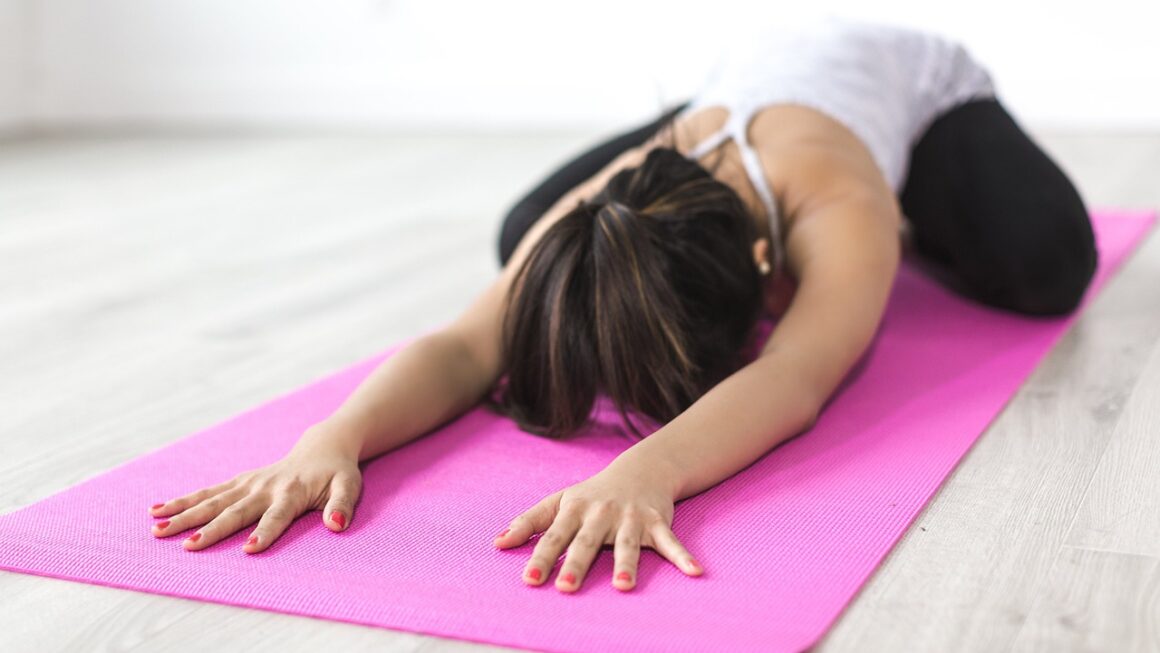
- Use Counter Poses: After any backbend, always perform a counter pose to neutralize the spine. Gentle forward folds (e.g., child’s pose, knees-to-chest) are excellent for this.
Practical Tips for Progression
- Start Small: Begin with gentle, accessible backbends and gradually work your way to deeper poses. Consistency trumps intensity.
- Focus on Foundation: Ensure your legs and core are strong and active. The strength in your base supports the height and depth of your backbend.
- Visualize the Curve: Imagine your spine lengthening as it arcs, rather than crunching. Visualize space between each vertebra.
- Utilize Props: Blocks under hands or shoulders, blankets under knees, or a bolster under your spine can provide support and make poses more accessible or comfortable.
Actionable Takeaway: Before each backbend session, mentally review these principles. Prioritize warmth, core engagement, and listening to your body above all else. Remember, a safe practice is a sustainable practice.
Journey to Deeper Backbends: Essential Poses and Practices
Whether you’re new to yoga or looking to advance your practice, there’s a backbend for every level. Here, we explore a progression of poses, along with tips for each.
Beginner-Friendly Backbends
These poses lay the groundwork for spinal extension and gentle heart opening:
- Sphinx Pose (Salamba Bhujangasana):
- How to: Lie on your belly, forearms on the mat, elbows under shoulders. Press down through forearms and pubic bone, gently lift chest, gaze forward.
- Benefits: Gentle spinal extension, strengthens the back, opens chest.
- Tip: Keep shoulders away from ears, soften glutes slightly to avoid lower back compression.
- Cobra Pose (Bhujangasana):
- How to: Lie on belly, hands under shoulders. Press through tops of feet and pubic bone. Inhale, lift head and chest using back strength, hands are light or just assisting.
- Benefits: Stronger spinal extension, builds back strength, improves posture.
- Tip: Focus on lifting through the sternum, not just crunching the neck back. Keep elbows hugging in.
- Bridge Pose (Setu Bandhasana):
- How to: Lie on back, knees bent, feet hip-width apart, heels under knees. Press into feet, lift hips, interlace hands beneath you or press arms down.
- Benefits: Strengthens glutes and hamstrings, opens chest and hip flexors, gentle inversion.
- Tip: Keep knees from splaying out. Imagine reaching your sternum towards your chin.
Intermediate Backbends
Once you’ve built foundational strength and flexibility, you can explore these:
- Camel Pose (Ustrasana):
- How to: Kneel with hips over knees, hands on lower back or reaching for heels. Lift chest, gently lean back, engage glutes and core.
- Benefits: Deep heart opener, stretches entire front body, strengthens back.
- Tip: Keep thighs parallel. Use blocks under hands if reaching heels is too much initially.
- Bow Pose (Dhanurasana):
- How to: Lie on belly, bend knees, reach back to grasp outer ankles. Inhale, kick feet into hands, lifting chest and thighs off the mat.
- Benefits: Intense full-body stretch, strengthens back, stimulates abdominal organs.
- Tip: Keep knees no wider than hips. Focus on kicking back and up to lift.
Advanced Backbends
These require significant preparation, strength, and mobility:
- Wheel Pose (Urdhva Dhanurasana):
- How to: Lie on back, knees bent, feet hip-width. Hands by ears, fingers pointing shoulders. Press into feet and hands, lift hips, then chest. Straighten arms and legs (if possible).
- Benefits: One of the most invigorating poses, full spinal flexibility, strengthens arms, legs, back.
- Tip: Warm up extensively. Focus on externally rotating thighs to protect the lower back. Press evenly through hands and feet.
Actionable Takeaway: Practice consistency. Aim for shorter, more frequent backbend sessions rather than infrequent, intense ones. Always respect your body’s current capabilities and use props as valuable allies.
Common Mistakes to Avoid and How to Correct Them
Even with good intentions, common misalignments can hinder progress and potentially lead to discomfort. Awareness is key to correcting these habits.
Identifying and Addressing Backbend Pitfalls
- Compressing the Lower Back:
- Mistake: Allowing all the extension to happen in the lumbar spine, leading to a “crunchy” feeling or pain.
- Correction: Actively engage your lower belly and glutes. Imagine lifting your tailbone slightly towards your pubic bone to create length in the lower back. Focus on lifting through the sternum to distribute the curve more evenly into the mid and upper back.
- Collapsing into the Shoulders:
- Mistake: Letting the shoulders hunch up by the ears or allowing the shoulder blades to splay apart, hindering chest opening.
- Correction: Actively draw your shoulder blades down your back and hug them towards each other. Externally rotate your upper arms to broaden across the collarbones. Think “shoulders down and back.”
- Holding Your Breath:
- Mistake: Tensing up and holding your breath when the pose feels challenging.
- Correction: Consciously focus on deep, rhythmic breathing. Use inhales to create length and space, and exhales to soften and deepen slightly. Breath is your guide and your release.
- Pushing Too Hard, Too Fast:
- Mistake: Forcing a deeper backbend before the body is ready, often resulting in pain or injury.
- Correction: Cultivate patience and non-violence (ahimsa). Approach backbends incrementally. Focus on proper alignment and muscular engagement over ultimate depth. If it hurts, back off.
- Lack of Core Engagement:
- Mistake: Letting the abdominal wall relax and bulge forward, leaving the lower back vulnerable.
- Correction: Throughout the entire backbend, maintain a gentle engagement of your deep core muscles. Imagine drawing your navel slightly towards your spine without sucking in your stomach. This acts as an internal brace.
Actionable Takeaway: Regularly check in with your body during backbends. Are you feeling compression or expansion? Are you breathing freely? Small adjustments can make a big difference in both safety and enjoyment.
Conclusion
Backbends are a powerful and transformative category of yoga poses, offering a profound journey into physical strength, spinal health, and emotional liberation. From the gentle arch of Sphinx to the exhilarating full Wheel, each pose invites us to open, expand, and connect more deeply with ourselves. By understanding the intricate anatomy, respecting the principles of safe practice, and approaching each backbend with mindfulness and patience, you can unlock their immense benefits.
Embrace the challenge, listen to your body, and allow the “heart-opening” magic of backbends to infuse your life with renewed energy, improved posture, and a sense of courageous openness. Start small, be consistent, and celebrate every inch of progress on your backbending journey. Your spine, and your spirit, will thank you.