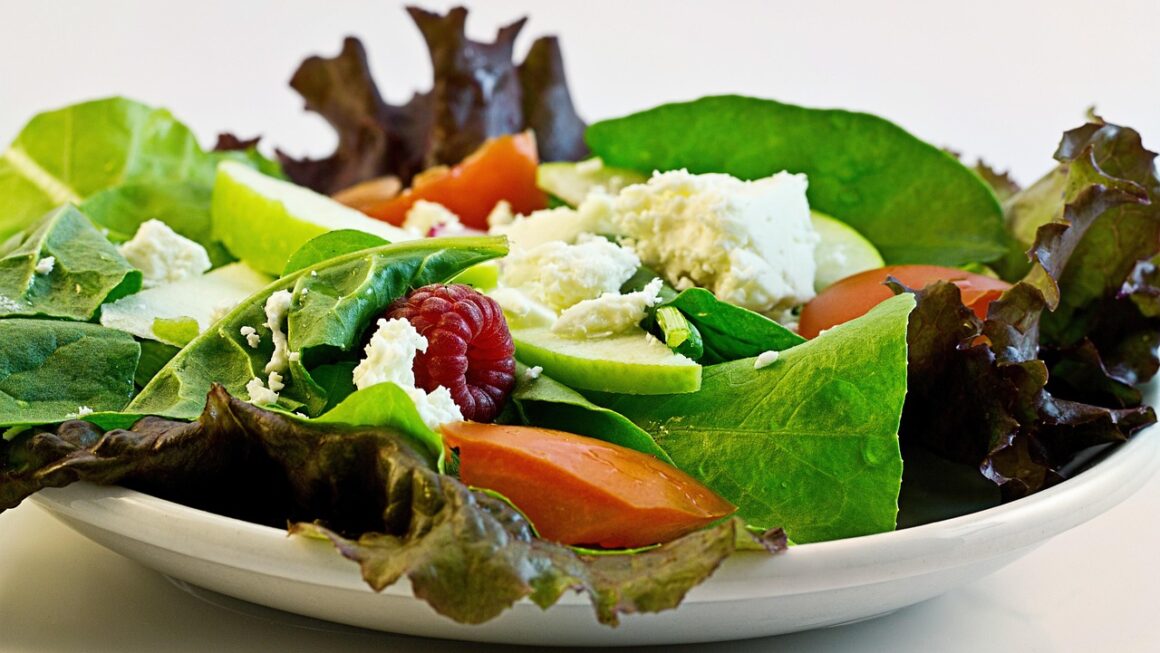
In the quiet corners of our bodies, a silent battle often rages – inflammation. While acute inflammation is our body’s essential defense mechanism, a beacon signaling injury or infection, its chronic counterpart is a persistent, insidious force. This low-grade, long-term inflammation has been increasingly recognized as a root cause or significant contributor to a vast array of modern diseases, from heart disease and diabetes to autoimmune conditions and even certain cancers. The good news? You have immense power to tip the scales in your favor. Adopting an anti-inflammatory lifestyle isn’t just about managing symptoms; it’s about nurturing your body from within, fostering resilience, and paving the way for vibrant, long-term health.
Understanding Inflammation: The Body’s Double-Edged Sword
To truly combat inflammation, we must first understand its nature and recognize the stark difference between its beneficial and detrimental forms.
What is Inflammation?
- Acute Inflammation: The Protector
This is your body’s rapid, short-term response to injury, infection, or irritation. Think of a cut, a sprained ankle, or a sore throat. Symptoms like redness, swelling, heat, and pain are signs that your immune system is dispatching white blood cells and healing compounds to the affected area to eliminate pathogens and initiate repair. This process is crucial for survival and recovery.
- Chronic Inflammation: The Silent Threat
Unlike its acute counterpart, chronic inflammation is a persistent, low-grade inflammatory state that can linger for months or even years, often without overt symptoms. It occurs when the immune system remains on high alert, continuously producing inflammatory molecules even when there’s no immediate threat. This sustained cellular stress damages healthy tissues and organs over time, setting the stage for disease.
The Dangers of Chronic Inflammation
The insidious nature of chronic inflammation lies in its capacity to undermine nearly every system in your body. It’s not just uncomfortable; it’s a significant risk factor for many prevalent health conditions:
- Cardiovascular Disease: Inflammation contributes to plaque buildup in arteries (atherosclerosis), increasing the risk of heart attacks and strokes.
- Type 2 Diabetes: It impairs insulin signaling, leading to insulin resistance and elevated blood sugar levels.
- Autoimmune Diseases: Conditions like rheumatoid arthritis, lupus, and inflammatory bowel disease are characterized by the immune system mistakenly attacking healthy tissues.
- Neurodegenerative Diseases: Research suggests a link between chronic inflammation and conditions such as Alzheimer’s and Parkinson’s.
- Certain Cancers: Persistent inflammation can create an environment conducive to tumor growth and progression.
- Obesity: Adipose (fat) tissue can release inflammatory compounds, creating a vicious cycle between obesity and inflammation.
Actionable Takeaway: Recognize that while acute inflammation is a friend, chronic inflammation is a silent enemy. Understanding its profound impact is the first step toward reclaiming your health through an anti-inflammatory approach.
The Power of Your Plate: Anti-Inflammatory Foods
Perhaps the most potent tool in your anti-inflammatory arsenal is your daily diet. Food isn’t just fuel; it’s information for your cells, capable of either fanning the flames of inflammation or extinguishing them.
Foods to Embrace for Their Anti-Inflammatory Properties
Focus on a vibrant, whole-foods-based diet rich in antioxidants, omega-3 fatty acids, and fiber. Here are some anti-inflammatory superstars:
- Omega-3 Rich Foods:
- Fatty Fish: Salmon, mackerel, sardines, herring, and anchovies are packed with EPA and DHA, powerful anti-inflammatory omega-3s. Aim for 2-3 servings per week.
- Flaxseeds & Chia Seeds: Excellent plant-based sources of ALA (which converts to EPA/DHA in the body). Sprinkle them into smoothies, yogurt, or oatmeal.
- Walnuts: Another good source of ALA; a handful makes a great snack.
- Colorful Fruits & Vegetables:
- Berries: Blueberries, raspberries, strawberries, and blackberries are bursting with antioxidants called anthocyanins.
- Leafy Greens: Spinach, kale, collard greens are high in vitamins, minerals, and phytonutrients.
- Cruciferous Vegetables: Broccoli, cauliflower, Brussels sprouts, and cabbage contain compounds that help detoxify the body.
- Tomatoes: Rich in lycopene, a potent antioxidant, especially when cooked.
- Bell Peppers: Excellent source of Vitamin C and antioxidants.
- Herbs & Spices:
- Turmeric: Contains curcumin, a compound with well-researched anti-inflammatory effects. Pair with black pepper for enhanced absorption.
- Ginger: Known for its anti-inflammatory and digestive benefits. Enjoy in teas, stir-fries, or baked goods.
- Garlic: Contains sulfur compounds that help modulate immune responses.
- Cinnamon & Oregano: Also possess notable antioxidant and anti-inflammatory properties.
- Healthy Fats:
- Extra Virgin Olive Oil: A cornerstone of the Mediterranean diet, rich in monounsaturated fats and polyphenols.
- Avocados: Contain monounsaturated fats, fiber, and potassium.
- Whole Grains & Legumes:
- Oats, Brown Rice, Quinoa: Provide fiber, which supports a healthy gut microbiome and helps reduce inflammation.
- Lentils, Chickpeas, Black Beans: Excellent sources of plant-based protein, fiber, and various micronutrients.
Practical Example: An Anti-Inflammatory Meal Idea
Imagine a vibrant plate of pan-seared salmon (omega-3s) with a side of roasted broccoli and bell peppers (antioxidants, fiber) seasoned with turmeric and black pepper, drizzled with extra virgin olive oil. Finish with a handful of mixed berries for dessert!
Foods to Limit or Avoid
Just as important as what you eat is what you choose to limit or eliminate, as certain foods are notorious for promoting inflammation.
- Processed Foods & Refined Sugars: Candies, sodas, pastries, processed snacks. These spike blood sugar and promote the release of inflammatory cytokines.
- Trans Fats & Partially Hydrogenated Oils: Found in many fried foods, baked goods, and some margarines. These are extremely pro-inflammatory.
- Excessive Red & Processed Meats: High consumption of red meat (especially grilled or fried) and processed meats (bacon, sausage) can increase inflammatory markers.
- Refined Carbohydrates: White bread, white pasta, white rice. These lack fiber and are quickly converted to sugar in the body.
- Certain Vegetable Oils: Corn, soybean, sunflower, and safflower oils are high in omega-6 fatty acids. While some omega-6s are essential, an imbalance with omega-3s can promote inflammation. Choose olive oil, avocado oil, or coconut oil instead.
- Excessive Alcohol: Can increase gut permeability and promote systemic inflammation.
Actionable Takeaway: Prioritize a colorful, whole-foods diet rich in plant-based ingredients and healthy fats. Consciously reduce your intake of processed foods, refined sugars, and unhealthy fats to significantly reduce your inflammatory load.
Beyond Diet: Lifestyle Factors for Inflammation Control
While diet is foundational, a truly comprehensive anti-inflammatory strategy encompasses several crucial lifestyle components that work synergistically to keep inflammation in check.
Regular Physical Activity
Exercise isn’t just for building muscle or losing weight; it’s a powerful anti-inflammatory agent. Regular movement helps:
- Reduce Inflammatory Markers: Exercise decreases the production of pro-inflammatory cytokines and increases anti-inflammatory compounds.
- Improve Insulin Sensitivity: This helps regulate blood sugar, reducing inflammation associated with insulin resistance.
- Manage Weight: Excess body fat, particularly around the abdomen, is a significant source of inflammatory molecules.
- Enhance Circulation: Improved blood flow helps remove waste products and delivers nutrients more efficiently.
Practical Examples: You don’t need to become a marathon runner. Aim for at least 150 minutes of moderate-intensity exercise per week. This could include:
- Brisk walking (30 minutes, 5 days a week)
- Yoga or Pilates
- Swimming
- Cycling
- Strength training (2-3 times a week)
Stress Management
Chronic stress is a major contributor to chronic inflammation. When stressed, your body releases hormones like cortisol, which initially suppresses inflammation but, over time, can lead to a desensitization, causing the body to produce more inflammatory compounds.
- Mindfulness & Meditation: Proven to reduce stress hormones and inflammatory markers.
- Deep Breathing Exercises: Simple techniques can activate the parasympathetic nervous system, promoting relaxation.
- Hobbies & Creative Outlets: Engaging in activities you enjoy can be a powerful stress buffer.
- Spending Time in Nature: Known to reduce cortisol levels and improve mood.
Quality Sleep
Sleep is a vital restorative process, and insufficient or poor-quality sleep can directly fuel inflammation. Sleep deprivation increases levels of inflammatory cytokines and oxidative stress.
- Aim for 7-9 Hours: Most adults need this amount of uninterrupted sleep per night.
- Establish a Routine: Go to bed and wake up around the same time each day, even on weekends.
- Optimize Your Environment: Keep your bedroom dark, quiet, and cool.
- Limit Screen Time: Avoid electronic devices an hour before bed, as blue light can disrupt melatonin production.
Hydration
While often overlooked, adequate hydration is essential for overall cellular function, nutrient transport, and detoxification processes, all of which indirectly support an anti-inflammatory state.
- Drink Plenty of Water: Aim for around 8 glasses (2 liters) of filtered water daily, more if you’re active or in a hot climate.
- Include Herbal Teas: Many herbal teas, like green tea or ginger tea, offer additional antioxidant benefits.
Actionable Takeaway: Integrate regular movement, stress-reducing practices, sufficient sleep, and ample hydration into your daily routine. These lifestyle pillars are as critical as diet for managing and preventing chronic inflammation.
Supplementing Your Anti-Inflammatory Journey (with caution)
While a whole-foods diet and healthy lifestyle are paramount, certain supplements can offer additional support in reducing inflammation. However, it’s crucial to approach supplementation wisely and always consult with a healthcare professional before adding new supplements to your regimen.
Key Anti-Inflammatory Supplements
- Omega-3 Fatty Acids (Fish Oil):
Known for their potent anti-inflammatory effects, particularly EPA and DHA. They help modulate the body’s inflammatory response. Look for high-quality, third-party tested supplements to ensure purity and potency. Typical dosage: 1-4 grams of combined EPA/DHA daily, but varies widely.
- Turmeric/Curcumin:
Curcumin, the active compound in turmeric, is a powerful antioxidant and anti-inflammatory agent. Its bioavailability can be low, so look for formulations that include piperine (black pepper extract) or liposomal delivery for enhanced absorption. Typical dosage: 500-1000 mg of curcumin extract daily.
- Ginger Extract:
Gingerols, the active components in ginger, have anti-inflammatory and antioxidant properties, often used to help with pain and nausea. Typical dosage: 1-2 grams of ginger extract daily.
- Vitamin D:
Often referred to as the “sunshine vitamin,” Vitamin D plays a crucial role in immune function and inflammation regulation. Deficiency is common and linked to increased inflammatory conditions. Typical dosage: Varies based on individual needs and blood levels; often 1000-5000 IU daily.
- Probiotics:
A healthy gut microbiome is intimately linked to a healthy immune system and reduced systemic inflammation. Probiotic supplements can help replenish beneficial gut bacteria. Look for strains like Lactobacillus and Bifidobacterium.
Important Considerations
- Always Consult a Healthcare Professional: Before starting any new supplement, especially if you have underlying health conditions, are pregnant, breastfeeding, or taking medications, consult your doctor or a registered dietitian. Supplements can interact with medications or have contraindications.
- Not a Substitute for Diet and Lifestyle: Supplements are meant to “supplement” a healthy diet and lifestyle, not replace them. Their effectiveness is maximized when integrated into a holistic anti-inflammatory approach.
- Quality and Dosage Matter: Choose reputable brands that provide third-party testing and transparent ingredient sourcing. Be mindful of recommended dosages.
- Monitor Your Response: Pay attention to how your body responds to supplements and adjust as necessary under professional guidance.
Actionable Takeaway: Consider discussing specific anti-inflammatory supplements like Omega-3s, Turmeric, Ginger, and Vitamin D with your doctor to see if they are appropriate for your individual health needs, ensuring you choose high-quality products from reputable sources.
Conclusion
Embarking on an anti-inflammatory journey is one of the most proactive and empowering steps you can take for your long-term health and well-being. By understanding the distinction between acute and chronic inflammation, you gain the knowledge to protect yourself from the silent dangers of persistent cellular stress.
It’s a holistic commitment: prioritizing a vibrant, whole-foods diet rich in omega-3s, antioxidants, and fiber; embracing regular physical activity; mastering stress-reduction techniques; and securing consistent, restorative sleep. While supplements can offer valuable support, they function best as allies to these fundamental lifestyle changes.
The benefits extend far beyond simply alleviating pain; they encompass enhanced energy, improved mood, strengthened immunity, and a significantly reduced risk of chronic diseases. Start today, one small step at a time, to cultivate a body that thrives, not just survives. Your journey towards an anti-inflammatory lifestyle is an investment in a healthier, more vibrant you.