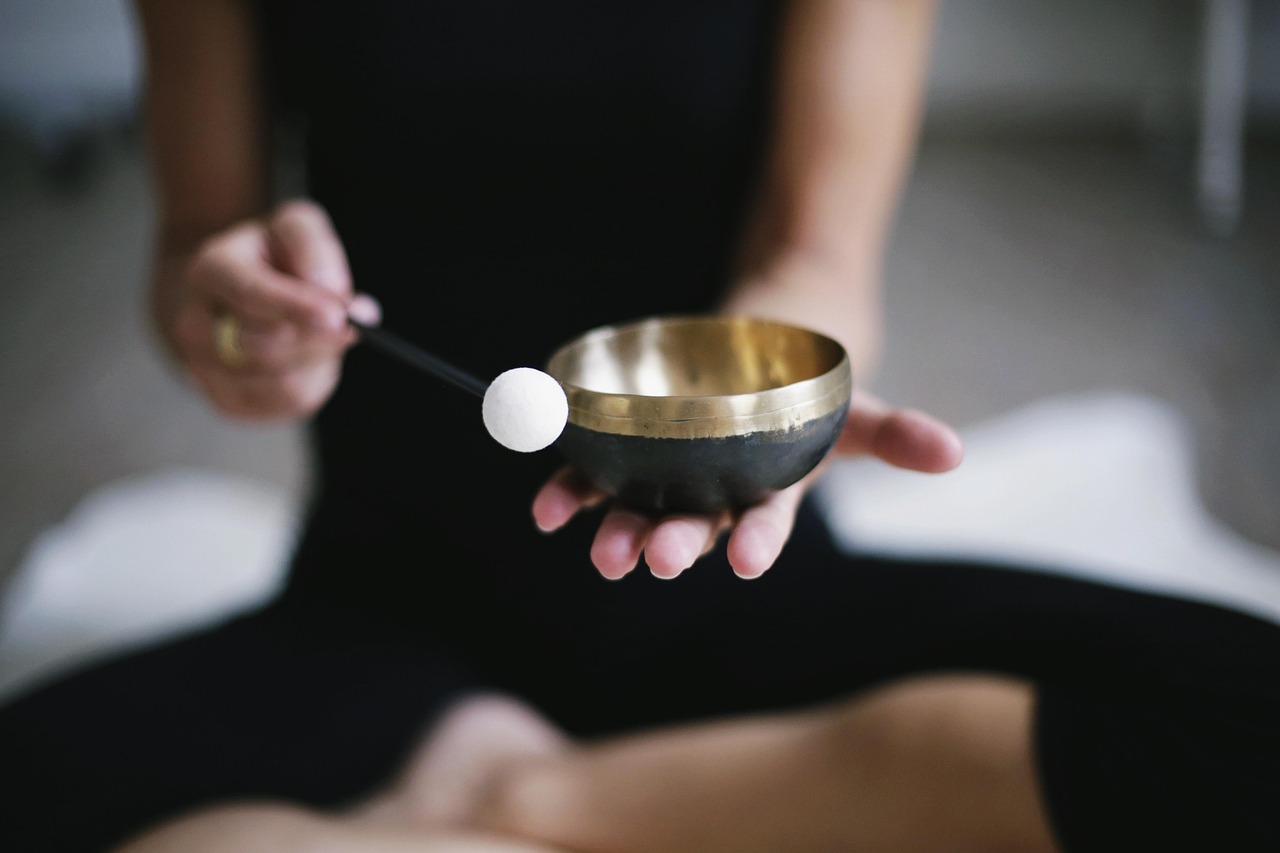
In a world often defined by busyness and external pressures, finding inner peace and fostering genuine connection can seem like a daunting task. Yet, a powerful ancient practice offers a path to cultivate profound well-being: loving-kindness meditation. Also known as Metta meditation, this gentle yet transformative practice invites you to open your heart, starting with yourself and extending outwards to all beings. It’s more than just a technique; it’s a way of being, a radical act of compassion that can reshape your internal landscape and enhance your interactions with the world.
Understanding Loving-Kindness Meditation (Metta)
At its core, loving-kindness meditation is a practice of developing an attitude of unconditional friendliness, benevolence, and goodwill towards oneself and others. Originating from Buddhist traditions, Metta (Pali for ‘loving-kindness’) is considered one of the most fundamental and universally beneficial meditation practices.
What is Metta and Its Origins?
- Definition: Metta is often translated as loving-kindness, benevolence, friendliness, or goodwill. It’s an active, expansive feeling of care and acceptance, free from attachment or expectation.
- Ancient Roots: The practice dates back thousands of years, prominently featured in early Buddhist scriptures. The Metta Sutta, a revered text, outlines the practice and its far-reaching benefits.
- Universal Appeal: While rooted in Buddhism, the core principles of loving-kindness resonate across all cultures and belief systems, making it accessible to anyone seeking greater peace and connection.
Distinction from Other Meditation Practices
While often practiced alongside other forms of mindfulness, loving-kindness meditation has a distinct focus:
- Mindfulness Meditation: Typically focuses on present moment awareness, observing thoughts, feelings, and sensations without judgment. It develops attention and insight.
- Loving-Kindness Meditation: Actively cultivates positive emotional states, specifically feelings of warmth, care, and goodwill. It’s an intentional generation of specific beneficial emotions.
- Complementary Practices: Many practitioners find that a combination of mindfulness (to steady the mind) and loving-kindness (to open the heart) offers the most holistic benefits for emotional well-being.
Actionable Takeaway: Begin by recognizing that loving-kindness is an active cultivation, not merely a passive state. It’s about intentionally generating positive feelings towards yourself first, then progressively expanding that warmth.
The Profound Benefits of Practicing Metta
Engaging in regular loving-kindness meditation can bring about a myriad of positive changes, impacting not just your emotional state but also your physical health and social interactions. Research in psychology and neuroscience increasingly supports these ancient claims.
Enhancing Emotional Well-being
- Reduces Stress and Anxiety: Studies indicate that consistent Metta practice can significantly lower levels of stress, anxiety, and even chronic pain by promoting feelings of safety and contentment.
- Cultivates Positive Emotions: Practitioners often report increased feelings of joy, contentment, gratitude, and hope. It helps in actively counteracting negative thought patterns.
- Boosts Empathy and Compassion: By intentionally sending well wishes to others, you naturally develop a greater capacity for empathy, understanding, and compassion, reducing feelings of anger and resentment.
- Decreases Self-Criticism: A crucial part of Metta is extending kindness to oneself, which helps to soften harsh self-judgment and foster self-acceptance.
Strengthening Relationships and Connection
The ripple effect of loving-kindness extends far beyond your individual experience, transforming how you relate to others:
- Improves Interpersonal Relationships: By cultivating goodwill, you approach interactions with more patience and understanding, leading to stronger, more harmonious connections with friends, family, and colleagues.
- Reduces Conflict: When you practice wishing well to even ‘difficult’ people, it helps to dissolve feelings of animosity, making you more resilient in challenging social situations.
- Fosters a Sense of Community: Extending loving-kindness to all beings helps to break down feelings of isolation, promoting a deeper sense of interconnectedness with humanity.
Actionable Takeaway: Notice how even short moments of wishing others well throughout your day can subtly shift your mood and your perception of your social environment. This isn’t about ignoring problems, but approaching them with a kinder heart.
How to Practice Loving-Kindness Meditation: A Step-by-Step Guide
The beauty of loving-kindness meditation lies in its simplicity. While there are traditional structures, the core is always about genuine intention. Here’s a common approach to get started:
Setting the Stage for Your Practice
- Find a Quiet Space: Choose a time and place where you won’t be disturbed.
- Comfortable Posture: Sit upright in a way that feels stable and comfortable – on a cushion, chair, or bench. Your spine should be erect but not stiff. Close your eyes gently or keep a soft gaze downwards.
- Deep Breaths: Take a few deep, cleansing breaths to center yourself and bring your awareness to the present moment.
The Traditional Metta Phrases
The practice typically involves silently repeating a series of phrases, allowing the feelings associated with them to arise. You can adapt these phrases to resonate with you personally.
Phase 1: Cultivating Loving-Kindness for Yourself
Begin by directing wishes of kindness and well-being towards yourself. This is foundational, as you cannot genuinely offer what you do not possess.
- “May I be free from danger.”
- “May I be happy.”
- “May I be healthy.”
- “May I live with ease.”
Phase 2: Extending to a Loved One
Bring to mind someone for whom you have natural feelings of warmth and affection (e.g., a friend, family member, pet).
- “May you be free from danger.”
- “May you be happy.”
- “May you be healthy.”
- “May you live with ease.”
Phase 3: Extending to a Neutral Person
Think of someone you encounter regularly but don’t have strong feelings about (e.g., a cashier, a postal worker, a distant neighbor).
- “May you be free from danger.”
- “May you be happy.”
- “May you be healthy.”
- “May you live with ease.”
Phase 4: Extending to a Difficult Person (Optional and Advanced)
If you feel ready, bring to mind someone with whom you have a strained relationship. This phase helps to release resentment and cultivate peace, but it’s important not to force it.
- “May you be free from danger.”
- “May you be happy.”
- “May you be healthy.”
- “May you live with ease.”
Phase 5: Extending to All Beings
Finally, expand your awareness to encompass all beings everywhere – known and unknown, near and far, human and animal. Imagine sending waves of loving-kindness out into the world.
- “May all beings be free from danger.”
- “May all beings be happy.”
- “May all beings be healthy.”
- “May all beings live with ease.”
Tips for Beginners
- Start Small: Begin with 5-10 minutes daily and gradually increase the duration as you feel comfortable.
- Be Patient: It’s normal for your mind to wander or for feelings not to arise immediately. Simply return gently to the phrases.
- Be Gentle with Yourself: There’s no right or wrong way to feel. If resistance or difficult emotions arise, acknowledge them with kindness and continue the practice.
- Embrace Authenticity: Don’t just repeat the words; try to genuinely connect with the meaning and intention behind them.
Actionable Takeaway: Choose a set of phrases that resonate most deeply with you and commit to a short, regular practice. Consistency over intensity is key for developing your loving-kindness muscle.
Integrating Loving-Kindness into Daily Life
Loving-kindness meditation isn’t just a formal practice; it’s a way of living. Extending Metta beyond your meditation cushion can profoundly transform your daily experiences and interactions.
Beyond the Cushion: Short Practices and Intentional Interactions
- Morning Intention: Start your day by silently wishing yourself well, then extending that wish to your family, community, or even just the first person you meet.
- Mindful Moments: During routine activities like walking, waiting in line, or commuting, take a few moments to silently wish “May you be happy” to the people around you.
- Responding to Negativity: When faced with difficult news or a challenging interaction, pause and send wishes of peace to all involved, including yourself. This doesn’t condone harmful actions but shifts your internal response.
Cultivating Self-Compassion in Challenges
Integrating loving-kindness means applying it most powerfully when you need it most – during personal difficulties or when self-critical thoughts arise.
- Acknowledge Your Suffering: When you experience pain, failure, or self-doubt, acknowledge it with kindness: “This is a moment of suffering. Suffering is a part of life.”
- Offer Yourself Comfort: Place a hand over your heart and silently repeat loving-kindness phrases to yourself: “May I be kind to myself in this moment. May I be strong. May I find peace.”
- Common Humanity: Remind yourself that you are not alone in your struggles; everyone experiences pain and imperfection. This reduces feelings of isolation.
Actionable Takeaway: Make a conscious effort to integrate loving-kindness into at least one small daily interaction or challenge. Observe how this shift in perspective affects your mood and reactions.
Conclusion
Loving-kindness meditation is far more than a simple mental exercise; it is a profound and transformative practice that cultivates deep inner peace, strengthens relationships, and fosters a more compassionate world. By regularly dedicating time to wish well for yourself and others, you actively rewire your brain for greater empathy, resilience, and joy. Whether you’re seeking to reduce stress, improve your relationships, or simply live with a more open heart, the practice of Metta offers an accessible and powerful pathway. Embrace this journey of the heart, and discover the boundless wellspring of kindness that resides within you.