From ancient pharaohs to modern-day investors, gold has consistently held a unique place in human civilization. More than just a shiny metal, gold symbolizes wealth, power, and stability, transcending cultures and epochs. Its intrinsic value and timeless appeal make it a subject of fascination and a cornerstone of financial planning for millions. As global economies navigate complex challenges, understanding gold’s multifaceted role – not only as a precious commodity but also as a strategic investment – becomes increasingly crucial for those looking to preserve and grow their wealth.
The Enduring Allure and Intrinsic Value of Gold
Gold’s magnetic pull on humanity spans millennia, rooted in its unique physical properties and its deep historical and cultural significance. It’s a metal that has shaped empires, funded explorations, and adorned royalty, maintaining its mystique and value through every age.
Gold’s Unique Properties
What makes gold so special? Its remarkable characteristics distinguish it from almost any other element:
- Rarity: Gold is scarce, requiring intensive mining efforts. All the gold ever mined would fit into a cube roughly 22 meters on each side.
- Malleability and Ductility: It can be hammered into incredibly thin sheets or drawn into fine wire without breaking, making it ideal for jewelry and intricate designs.
- Corrosion Resistance: Gold does not tarnish, rust, or corrode, even when exposed to air, water, or most acids, ensuring its everlasting shine.
- Conductivity: It’s an excellent conductor of electricity, making it vital in modern electronics, though this constitutes a small portion of its demand.
- Beauty: Its distinctive luster and warm yellow hue are universally admired, contributing to its aesthetic and ornamental value.
These properties ensure that gold, unlike many other materials, retains its quality and appearance indefinitely, contributing to its status as a timeless asset.
Gold in History and Culture
Throughout history, gold has played diverse and critical roles:
- Currency and Exchange: For centuries, gold coins served as a universal medium of exchange, underpinning monetary systems worldwide until the 20th century.
- Symbol of Status and Power: From pharaohs’ tombs to royal crowns, gold has been synonymous with royalty, divinity, and immense wealth.
- Religious and Ceremonial Use: Many cultures incorporate gold into religious artifacts, temples, and ceremonies, reflecting its sacred significance.
- Art and Adornment: Gold jewelry and ornamentation have been coveted items across all civilizations, celebrating beauty and craftsmanship.
Actionable Takeaway: Understanding gold’s intrinsic qualities and historical roles provides context for its current market value and its enduring appeal as a valuable asset.
Gold as a Strategic Investment: A Pillar of Portfolio Stability
In the contemporary financial landscape, gold continues to shine as a strategic investment, particularly valued for its ability to preserve wealth and act as a hedge against economic instability.
Gold as an Inflation Hedge
One of gold’s most lauded characteristics is its performance during periods of inflation. When the purchasing power of fiat currencies erodes, gold often maintains or increases its value.
- Real-World Example: During the high-inflation decade of the 1970s, the price of gold surged from around $35 an ounce to over $800, significantly outperforming stocks and bonds.
- Mechanism: As currency supply increases and its value decreases, more units of currency are required to buy the same amount of gold, reflecting gold’s stable purchasing power.
The “Safe Haven” Appeal
Gold is widely considered a “safe haven asset,” meaning investors flock to it during times of economic uncertainty, geopolitical turmoil, or financial crises.
- Market Behavior: When stock markets crash or geopolitical tensions rise (e.g., during the 2008 financial crisis or the initial stages of the COVID-19 pandemic), gold prices often trend upward as investors seek refuge from volatile assets.
- Psychological Factor: Its tangibility and universal acceptance provide a sense of security when confidence in traditional financial systems wavers.
Portfolio Diversification
Including gold in an investment portfolio can significantly enhance diversification due to its low correlation with other asset classes like stocks and bonds.
- Correlation Dynamics: Gold often moves independently of or even inversely to equity and bond markets. When stocks fall, gold might rise, cushioning the overall portfolio impact.
- Risk Mitigation: This low correlation helps reduce overall portfolio volatility and risk, potentially leading to more stable long-term returns.
Actionable Takeaway: Gold isn’t just a speculative play; it’s a fundamental tool for preserving wealth, hedging against inflation, and diversifying an investment portfolio, especially in uncertain times.
Understanding the Gold Market: What Drives Gold Prices?
The price of gold is not static; it’s a dynamic reflection of various global economic, political, and financial forces. Understanding these drivers is key to comprehending gold’s market behavior.
Key Price Drivers
Several critical factors influence the global gold price:
- Supply and Demand:
- Supply: Primarily from mining output and recycled gold. New discoveries and technological advancements can increase supply.
- Demand: Driven by jewelry fabrication (largest component), investment (bars, coins, ETFs), central bank purchases, and industrial use.
- Interest Rates and Monetary Policy:
- Inverse Relationship: Higher interest rates (especially real interest rates) tend to make non-yielding assets like gold less attractive compared to interest-bearing alternatives.
- Central Bank Actions: Quantitative easing tends to boost gold prices, while tightening policies can dampen them.
- U.S. Dollar Strength:
- Inverse Relationship: Gold is priced in U.S. dollars. A stronger dollar makes gold more expensive for holders of other currencies, potentially reducing demand and vice versa.
- Geopolitical Events and Economic Uncertainty:
- Crises, wars, political instability, and major economic downturns typically drive investors to gold as a safe haven, pushing prices up.
- Inflation Expectations:
- High inflation expectations generally lead to increased demand for gold as a hedge, supporting its price.
Where Gold is Traded
The global gold market is extensive and multifaceted:
- Spot Market: Deals with immediate delivery of physical gold, primarily through over-the-counter (OTC) transactions among bullion banks and dealers.
- Futures Market: Exchanges like COMEX (New York) and TOCOM (Tokyo) facilitate trading of contracts for future delivery of gold, often used for hedging or speculation.
- ETFs and Mining Stocks: Public exchanges allow trading of gold-backed ETFs and shares of gold mining companies, offering indirect exposure.
Actionable Takeaway: Monitor key economic indicators, central bank policies, and global events to better anticipate potential movements in gold prices. Remember that gold reacts to both fundamental and psychological market forces.
Practical Ways to Invest in Gold
Investing in gold is accessible to a wide range of investors, with various options catering to different preferences for tangibility, liquidity, and risk tolerance. Here are the most common avenues:
Physical Gold
For those who prefer direct ownership and the tangible security of the metal.
- Gold Bars (Bullion): Available in various weights (e.g., 1 ounce, 10 ounces, 1 kg) from reputable refiners (e.g., PAMP Suisse, Valcambi). Generally carry lower premiums over spot price than coins.
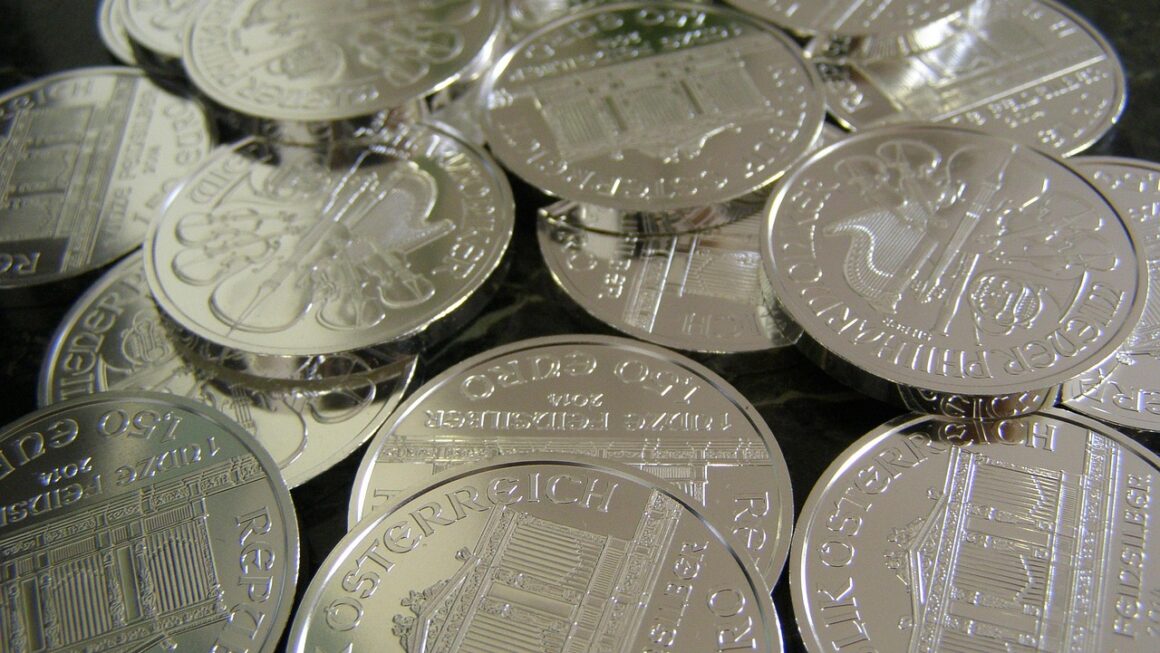
- Gold Coins: Popular options include American Gold Eagles, Canadian Gold Maples, South African Krugerrands, and Austrian Philharmonics. Often come with higher premiums due to their numismatic value and smaller denominations.
- Pros: Tangible asset, potential for privacy, no counterparty risk.
- Cons: Storage costs (safe deposit box, home safe), insurance needs, potential for higher premiums, less liquid than other forms for quick transactions.
- Gold Jewelry: While beautiful, jewelry typically has a significant markup over its intrinsic gold value due to craftsmanship and retail costs, making it a less efficient investment vehicle.
Gold Exchange-Traded Funds (ETFs)
ETFs provide an easy and liquid way to gain exposure to gold prices without owning physical metal.
- How They Work: These funds typically hold physical gold bullion on behalf of investors, with each share representing a fractional ownership of that gold.
- Examples: SPDR Gold Shares (GLD), iShares Gold Trust (IAU).
- Pros: High liquidity, low transaction costs (brokerage fees), no storage or insurance hassles, easy to trade through a standard brokerage account.
- Cons: Management fees, exposure to counterparty risk (the fund issuer), you don’t physically own the gold.
Gold Mining Stocks
Investing in shares of companies involved in gold exploration, mining, and production.
- Mechanism: Instead of gold itself, you own a piece of a company whose profitability is tied to gold prices.
- Examples: Barrick Gold (GOLD), Newmont Corporation (NEM).
- Pros: Potential for capital appreciation and dividends (unlike physical gold), can offer leverage to gold price movements (if mining costs are stable).
- Cons: Higher risk as performance depends on company-specific factors (management, operational efficiency, geopolitical risks where mines are located) in addition to gold prices.
Gold Futures and Options
These are advanced investment vehicles typically used by sophisticated investors for speculation or hedging.
- Futures Contracts: Agreements to buy or sell a specific quantity of gold at a predetermined price on a future date. Highly leveraged.
- Options Contracts: Give the holder the right, but not the obligation, to buy or sell gold at a certain price before a specific date.
- Pros: High leverage, potential for significant gains, market liquidity.
- Cons: High risk due to leverage, requires deep market understanding, potential for substantial losses.
Actionable Takeaway: Evaluate your investment goals, risk tolerance, and desire for physical possession before choosing the best method for investing in gold. For most investors, a combination of physical gold and/or gold ETFs offers a balanced approach.
Key Considerations Before Investing in Gold
While gold offers compelling benefits, it’s crucial to approach any investment with due diligence. Understanding potential drawbacks and best practices will help you make informed decisions.
Volatility and Risk
Despite its “safe haven” status, gold is not immune to price fluctuations.
- Market Swings: Gold prices can be volatile, influenced by economic data, interest rate expectations, and market sentiment. There’s no guarantee of consistent appreciation.
- Opportunity Cost: Gold does not typically pay dividends or interest, unlike stocks or bonds. Holding gold means potentially missing out on returns from other asset classes during bull markets.
Storage and Insurance for Physical Gold
If you opt for physical gold, secure storage is paramount.
- Secure Storage Options:
- Bank Safety Deposit Boxes: A common choice, offering security away from home.
- Specialized Vaults: Reputable precious metals depositories offer insured storage for a fee.
- Home Safes: Suitable for smaller quantities, but ensure it’s properly secured and insured.
- Insurance: Regardless of where you store it, ensure your gold is adequately insured against theft or loss.
Fees and Premiums
Be aware of the costs associated with buying and selling gold.
- Premiums: Physical gold (especially coins) often sells at a premium above its melt value (spot price) due to manufacturing, distribution, and dealer margins. These premiums can fluctuate.
- Transaction Costs: Brokerage fees for ETFs or mining stocks, and bid-ask spreads for physical gold.
- Storage Fees: For safety deposit boxes or specialized vaults.
Market Timing vs. Long-Term Strategy
Attempting to “time the market” for gold can be risky and often unsuccessful.
- Long-Term Perspective: Gold is often viewed as a long-term store of value and wealth preservation tool. A dollar-cost averaging strategy (investing a fixed amount regularly) can help mitigate volatility.
- Allocation: Many financial advisors recommend allocating a modest portion (e.g., 5-10%) of a diversified portfolio to gold, consistent with long-term financial goals.
Actionable Takeaway: Conduct thorough research, understand all associated costs, and align your gold investment strategy with your overall financial objectives and risk tolerance. Consider gold as a long-term component of a diversified portfolio, rather than a short-term speculative asset.
Conclusion
Gold, with its millennia-old legacy and distinctive properties, continues to be a profoundly relevant asset in the modern investment landscape. From its role as a timeless symbol of wealth to its practical application as an inflation hedge and safe haven asset, gold offers unique benefits that can fortify a well-diversified portfolio. Whether you choose physical bullion, the convenience of ETFs, or the growth potential of mining stocks, understanding the market dynamics and inherent risks is paramount. By approaching gold investing with a clear strategy and a long-term perspective, investors can harness the power of this precious metal to preserve wealth, mitigate risk, and enhance the resilience of their financial future.