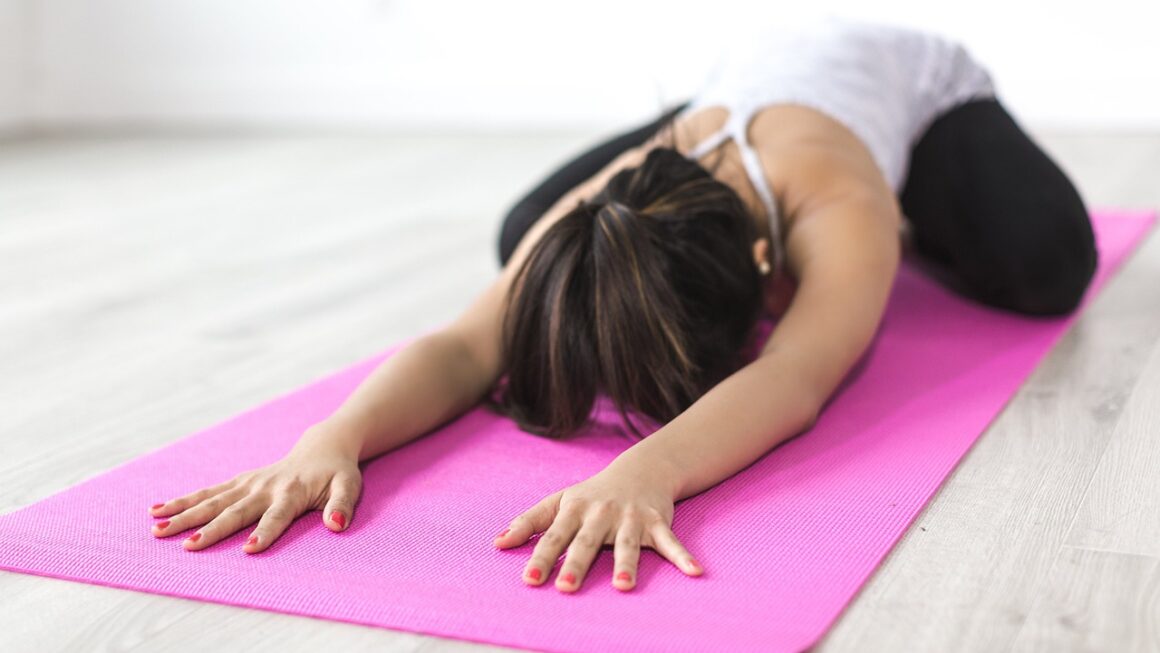
In the vast and evolving world of yoga, where every pose tells a story and every breath connects you deeper to yourself, there’s one unsung hero often overlooked: your yoga mat. Far more than just a piece of rubber or foam, your mat is the sacred ground beneath your feet, the foundation for your balance, and a vital partner in your journey towards strength, flexibility, and mindfulness. Choosing the right yoga mat can significantly impact your practice, comfort, and even your long-term commitment to yoga. Let’s unroll the complexities and discover how to find the perfect mat that supports your unique path.
Why Your Yoga Mat Matters More Than You Think
Your yoga mat is not just an accessory; it’s an extension of your practice. It plays a crucial role in providing the necessary support, stability, and hygiene for a safe and effective yoga session.
The Foundation of Your Practice
Every upward dog, every warrior pose, every downward-facing dog relies on a stable base. A good yoga mat provides that essential grip, preventing slips and allowing you to hold poses with confidence. It creates a defined personal space, helping you focus and establish a mental boundary for your practice.
- Stability: Prevents hands and feet from sliding, especially in active poses.
- Defined Space: Creates a personal sanctuary for focus and introspection.
- Mental Cue: Unrolling your mat often signals the start of your mindful practice.
Safety and Injury Prevention
Slipping during a pose can lead to anything from minor discomfort to serious injury. A mat with proper grip is paramount for safety. Furthermore, adequate cushioning protects your joints, especially knees, wrists, and hips, from hard floor surfaces.
- Anti-Slip Surface: Crucial for maintaining proper alignment and avoiding falls.
- Joint Protection: Provides a buffer against hard floors, reducing strain on sensitive areas.
- Confidence: Knowing your mat will hold you allows for deeper exploration of poses.
Enhanced Performance and Comfort
When you’re not worried about slipping or feeling discomfort from a hard floor, you can delve deeper into your practice. A comfortable mat encourages longer holds, more fluid transitions, and a more enjoyable experience overall.
Practical Example: Imagine trying to hold a challenging pose like Warrior III (Virabhadrasana III) on a slippery floor. A high-quality mat with excellent grip allows you to ground your standing foot firmly, extending your back leg and arms with greater stability and less fear of falling.
Decoding Yoga Mat Materials: What’s Under Your Hands and Feet?
The material of your yoga mat dictates its grip, durability, weight, and environmental impact. Understanding the differences is key to making an informed choice.
PVC (Polyvinyl Chloride)
Traditionally, PVC mats have been the industry standard due to their excellent grip, durability, and affordability. They are known for being sticky and long-lasting.
- Pros: Excellent grip (especially when dry), very durable, easy to clean, generally inexpensive.
- Cons: Not biodegradable, often contains phthalates (though many brands now offer phthalate-free options), can have a strong chemical smell initially.
- Best For: Beginners, those on a budget, practices where sweat isn’t excessive.
Natural Rubber
Derived from rubber trees, natural rubber mats are increasingly popular for their superior grip, cushioning, and eco-friendliness. They offer a dense, supportive feel.
- Pros: Outstanding non-slip grip (even when damp), excellent cushioning, naturally biodegradable and sustainable.
- Cons: Heavier, more expensive, can have a distinct rubbery smell, not suitable for those with latex allergies, sensitive to direct sunlight.
- Best For: Hot yoga, vinyasa, power yoga, practitioners seeking maximum grip and support, environmentally conscious yogis.
TPE (Thermoplastic Elastomer)
TPE mats are a synthetic, often biodegradable, alternative to PVC. They offer a good balance of grip, cushioning, and lightness.
- Pros: Lightweight, good cushioning, generally eco-friendlier than PVC (recyclable and often biodegradable), latex-free.
- Cons: Less durable than PVC or natural rubber, may offer less grip than rubber in very sweaty conditions.
- Best For: Casual practitioners, those who need a lightweight mat for transport, individuals with latex allergies.
Jute & Cotton
These natural fiber mats are often layered over a sticky mat or used as a top layer for absorbency. They offer a rustic, natural feel.
- Pros: Highly absorbent (cotton), natural texture provides some grip (jute), biodegradable, often organic.
- Cons: Less cushioning, requires more frequent washing (cotton), can be rough on skin (jute), not as much inherent grip as rubber or PVC.
- Best For: Gentle yoga, restorative practices, as a top layer for hot yoga (cotton yoga rugs), those prioritizing natural textures.
Finding Your Perfect Fit: Thickness, Grip, and Portability
Beyond material, several other factors influence how a yoga mat performs for you. Consider your practice style, body needs, and lifestyle.
Thickness: Cushioning vs. Stability
Yoga mats typically range from 1mm to 6mm, with specialized mats even thicker. Your ideal thickness depends on your sensitivity to hard surfaces and your need for stability.
- 1-2mm (Travel Mats):
- Pros: Extremely lightweight, easy to fold or roll, perfect for travel or layering over studio mats.
- Cons: Minimal cushioning, less joint protection.
- Best For: Frequent travelers, experienced yogis who prioritize stability over cushioning.
- 3-4mm (Standard Mats):
- Pros: Good balance of cushioning and stability, versatile for most yoga styles.
- Cons: May not be enough cushioning for very sensitive joints.
- Best For: General use, vinyasa, Hatha, those who prefer to feel the floor more.
- 5-6mm (Thick Mats):
- Pros: Excellent cushioning, superior joint protection, comfortable for restorative practices.
- Cons: Can reduce stability in balancing poses, heavier to transport.
- Best For: Beginners, individuals with sensitive knees or wrists, restorative yoga, Pilates.
Actionable Takeaway: If you practice standing balances often, a 3-4mm mat offers a better connection to the ground. If you have joint pain, opt for 5-6mm.
Grip and Texture: Staying Grounded
The texture of a mat can enhance or detract from its grip. Some mats are smooth but inherently sticky, while others have a textured surface for added traction.
- Smooth Surface: Often found in PVC or high-quality rubber mats, relies on the material’s inherent stickiness.
- Textured Surface: Raised patterns or weaves (common in jute or some TPE mats) provide mechanical grip.
- Open-Cell vs. Closed-Cell:
- Open-Cell: Highly absorbent (great for sweat), but can absorb bacteria and smells if not cleaned well. Offers excellent grip. (e.g., some natural rubber mats)
- Closed-Cell: Non-absorbent, easier to clean, more hygienic, but may feel slicker if there’s a lot of sweat on the surface. (e.g., most PVC and TPE mats)
Practical Example: If you sweat a lot, an open-cell natural rubber mat or a hybrid mat designed for hot yoga (with an absorbent top layer) will offer superior grip compared to a smooth, closed-cell PVC mat.
Weight and Portability: On-the-Go Practice
If you commute to a studio or travel frequently, the weight and ease of transport of your mat become crucial.
- Lightweight (1-2 lbs): TPE, some thinner PVC mats, travel mats.
- Best For: Daily commute, air travel, minimal carrying effort.
- Medium Weight (3-5 lbs): Standard PVC, many natural rubber mats.
- Best For: Studio use, general home practice.
- Heavy (6+ lbs): Denser natural rubber mats, extra-thick mats.
- Best For: Dedicated home practice, or if you don’t mind carrying the weight for superior performance.
Size and Alignment
Standard yoga mats are about 68 inches long and 24 inches wide. However, longer and wider options are available for taller individuals or those who prefer more space. Some mats also feature alignment lines or markers to help guide hand and foot placement.
Actionable Takeaway: Measure your height; if you’re over 5’10”, consider a longer mat (72 inches or more) so your head and feet don’t hang off during Savasana.
Eco-Conscious Choices: Sustainable Yoga Mats
As our awareness grows, so does the demand for products that align with sustainable values. Yoga, a practice of interconnectedness, naturally extends to caring for our planet.
The Environmental Impact
Traditional PVC mats contribute to plastic waste and can release harmful chemicals during manufacturing and disposal. Opting for sustainable alternatives helps reduce this footprint.
Did You Know? The global yoga mat market is expected to reach over $16 billion by 2028. Choosing eco-friendly options can make a significant collective impact on reducing non-biodegradable waste.
Materials to Look For
When seeking an eco-friendly yoga mat, prioritize materials that are renewable, recyclable, or biodegradable.
- Natural Rubber: Sourced from rubber trees, it’s renewable and biodegradable. Ensure it’s sustainably harvested.
- TPE: While synthetic, many TPE mats are recyclable and photodegradable, making them a better choice than traditional PVC.
- Jute and Cotton: Natural fibers that are biodegradable. Look for organic certifications to ensure sustainable farming practices.
- Cork: Harvested from the bark of cork oak trees (which regrows!), cork mats are naturally antimicrobial, sustainable, and offer excellent grip when damp.
- Recycled Materials: Some mats are made from recycled rubber or other composite materials.
Actionable Takeaway: Look for certifications like OEKO-TEX (for textiles), FSC (for rubber/cork sourcing), or “phthalate-free” and “PVC-free” labels.
Disposal and Lifespan
Even eco-friendly mats have a lifespan. Consider how your mat can be disposed of responsibly.
- Longevity: A durable mat that lasts for years is inherently more sustainable than one that needs frequent replacement.
- Recycling Programs: Some brands offer take-back programs for their mats, or you can check local recycling centers.
- Upcycling: Old mats can be repurposed for garden kneeling pads, pet bed liners, or furniture protectors before being discarded.
Caring for Your Yoga Mat: Extend Its Life and Hygiene
Proper care not only keeps your mat hygienic but also significantly extends its lifespan, preserving your investment and reducing waste.
Regular Cleaning Rituals
After every practice, especially if you sweat, a quick wipe-down is essential to prevent bacteria buildup and maintain grip.
- Daily Wipe: Use a damp cloth with a mild, mat-specific cleaning spray or a diluted mixture of water and a few drops of essential oils (tea tree, lavender) or white vinegar.
- Air Dry: Always allow your mat to air dry completely before rolling it up to prevent mildew and odor. Hang it over a shower rod or lay it flat.
Practical Example: Mix 1 cup of distilled water with 1/4 cup of white vinegar and 5-10 drops of tea tree oil in a spray bottle. Spritz your mat lightly after practice and wipe clean with a microfiber cloth.
Deep Cleaning Techniques
Periodically, your mat will need a more thorough cleaning to remove embedded dirt and oils.
- Sponge Bath: For most mats, use a soft cloth or sponge with warm soapy water (mild dish soap or mat cleaner). Gently scrub, rinse thoroughly (without submerging most mats), and hang to dry.
- Machine Washing (Check Label!): Only some cotton or fabric-based mats are machine washable. Always check the manufacturer’s instructions. Use cold water and a gentle cycle; air dry.
Actionable Takeaway: Avoid harsh chemicals, abrasive brushes, or excessive scrubbing, as these can damage the mat’s surface and shorten its life. Never put a natural rubber mat in a washing machine or dryer.
Storage Best Practices
How you store your mat can impact its durability and prevent damage.
- Roll Loosely: Roll your mat loosely with the top surface facing outwards (the side you practice on). This prevents the edges from curling up.
- Avoid Direct Sunlight: Prolonged exposure to direct sunlight can degrade many mat materials, especially natural rubber and TPE, making them brittle and discolored.
- Keep Dry: Store in a cool, dry place. Avoid leaving it in a hot car or humid environments.
- Use a Mat Bag: A breathable mat bag protects your mat from dirt and wear during transport.
Actionable Takeaway: If your mat has a “top” and “bottom” side, always roll it so the top side (the one you stand on) faces outwards. This helps the mat lay flat faster when unrolled for your next practice.
Conclusion
Choosing the perfect yoga mat is a deeply personal decision that reflects your practice, your body’s needs, and your values. From the material it’s made of to its thickness, grip, and environmental impact, every detail contributes to your overall experience. By understanding the diverse options available and prioritizing proper care, you can select a mat that not only supports your physical and mental well-being but also stands the test of time. Your yoga mat is more than just equipment; it’s a loyal companion on your journey to inner peace and physical strength. Choose wisely, care for it well, and let it be the steadfast foundation for countless inspiring practices to come.