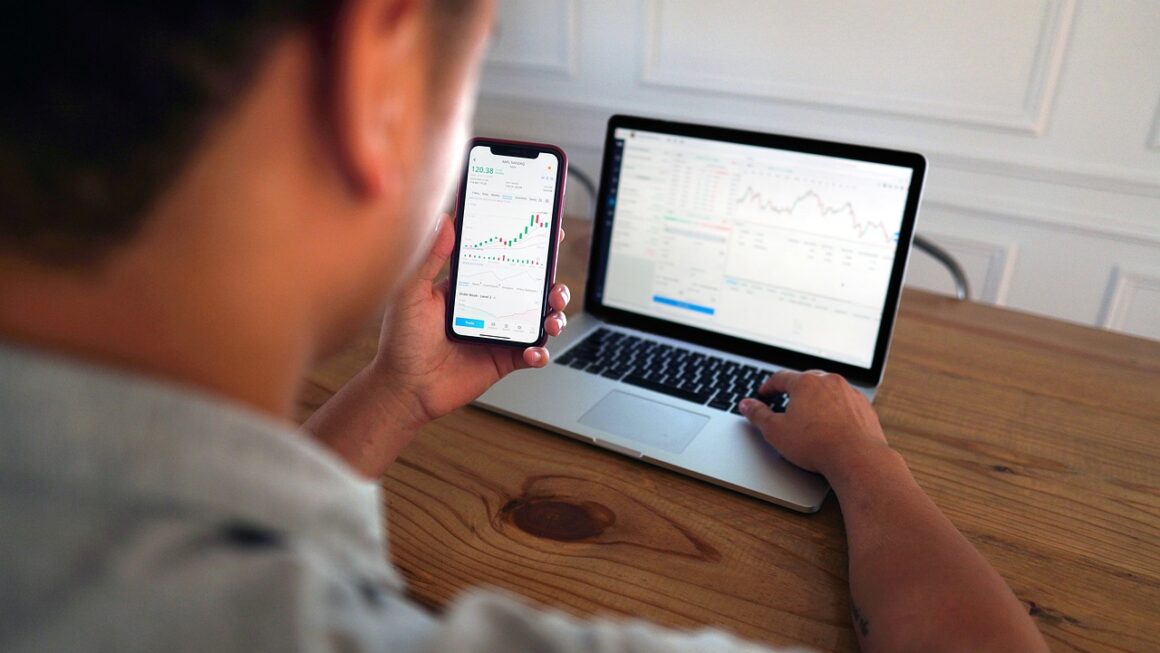
The world of financial markets can often seem like an impenetrable fortress of complex terminology and sophisticated strategies. Yet, for those willing to learn, opportunities abound. Among the most versatile and potentially rewarding avenues is options trading. Far from being just a gamble, options offer a powerful toolkit for investors to speculate on price movements, generate income, and even hedge existing portfolios against risk. Whether you’re a seasoned investor looking to expand your arsenal or a curious beginner eager to understand how these derivatives work, this comprehensive guide will demystify options trading, providing you with a solid foundation to navigate this dynamic market.
Understanding Options Trading: The Fundamentals
Options are financial derivatives that derive their value from an underlying asset, such as stocks, indices, commodities, or currencies. They give the holder the right, but not the obligation, to buy or sell the underlying asset at a specified price on or before a certain date.
What Are Options? Calls vs. Puts
- Call Option: Gives the holder the right to buy an underlying asset at a specified price (the strike price) on or before a certain date (the expiration date). Traders buy calls when they expect the underlying asset’s price to rise.
- Put Option: Gives the holder the right to sell an underlying asset at a specified price (the strike price) on or before a certain date (the expiration date). Traders buy puts when they expect the underlying asset’s price to fall.
Key Terminology Explained
- Underlying Asset: The security (e.g., Apple stock, SPY ETF) that the option contract is based on.
- Strike Price: The predetermined price at which the underlying asset can be bought or sold if the option is exercised.
- Expiration Date: The last day the option contract is valid. After this date, the option becomes worthless if not exercised or closed.
- Premium: The price an options buyer pays to the options seller for the contract. This is the maximum loss for the buyer and the maximum profit for the seller (excluding commissions) when buying a single option contract.
- Contract Size: Typically, one options contract represents 100 shares of the underlying asset.
Why Trade Options? Leveraging Opportunities
Options offer several compelling reasons for investors to consider them:
- Leverage: Options allow you to control a large block of shares (typically 100 per contract) with a relatively small amount of capital, amplifying potential returns (and risks).
- Income Generation: Selling options can be a strategy to generate consistent income, especially in sideways or slightly bullish/bearish markets.
- Hedging: Options can protect existing stock portfolios against potential downturns, much like an insurance policy. For example, buying put options on stocks you own can limit losses.
- Versatility: Options strategies can be tailored for almost any market condition – bullish, bearish, or neutral.
Actionable Takeaway: Before diving in, thoroughly understand these fundamental terms. They are the building blocks of every options strategy.
Calls and Puts: Diving Deeper into the Mechanics
Understanding the core mechanics of buying and selling call and put options is crucial for any aspiring options trader.
Call Options: Profiting from Upward Moves
When you buy a call option, you are betting that the price of the underlying asset will rise above the strike price before the expiration date. If it does, your call option gains value.
- Scenario: You believe XYZ stock, currently trading at $100, will rally significantly.
- Action: You buy one XYZ 105-strike call option expiring in 3 months for a premium of $3.00 per share (or $300 per contract).
- Potential Outcome:
- If XYZ rises to $115 by expiration, your call option would be “in-the-money” by $10 ($115 – $105 strike). Your profit would be ($10 – $3 premium) 100 shares = $700 (minus commissions).
- If XYZ stays below $105 or drops, your call option will expire worthless, and you lose your $300 premium.
Put Options: Capitalizing on Downward Trends
Buying a put option means you expect the price of the underlying asset to fall below the strike price before the expiration date. If it does, your put option increases in value.
- Scenario: You anticipate a significant decline in ABC stock, currently trading at $50.
- Action: You buy one ABC 45-strike put option expiring in 2 months for a premium of $2.50 per share (or $250 per contract).
- Potential Outcome:
- If ABC drops to $40 by expiration, your put option would be “in-the-money” by $5 ($45 strike – $40). Your profit would be ($5 – $2.50 premium) 100 shares = $250 (minus commissions).
- If ABC stays above $45 or rises, your put option will expire worthless, and you lose your $250 premium.
Actionable Takeaway: Calls are for bullish outlooks, puts for bearish. Remember that buying options means limited risk (the premium paid) but potentially unlimited reward, while selling naked options (without owning the underlying) involves potentially unlimited risk.
Popular Options Trading Strategies for Every Market Condition
The true power of options lies in the multitude of strategies available, allowing traders to profit or protect across various market outlooks. Option volumes have soared in recent years, reaching over 10 billion contracts traded annually on U.S. exchanges, underscoring their growing adoption.
Basic Strategies: Starting Your Journey
- Buying Calls/Puts: As discussed above, these are fundamental directional bets.
- When to Use: Strong conviction about a significant price move (up for calls, down for puts).
- Risk Profile: Limited to the premium paid.
- Covered Call: Selling call options against shares of stock you already own.
- When to Use: You own the stock and expect its price to be flat to moderately bullish. It generates income (the premium received) but caps your upside potential on the stock.
- Example: You own 100 shares of Company X at $50. You sell one X 55-strike call expiring in 1 month for a $2.00 premium. If X stays below $55, you keep your shares and the $200 premium. If X goes above $55, your shares are “called away” at $55, but you still keep the premium.
- Risk Profile: Unlimited downside on the stock, but the premium received partially offsets this. Your upside is capped.
Intermediate Strategies: Expanding Your Toolkit
These strategies involve combining multiple options contracts (or options and stock) to fine-tune risk and reward profiles.
- Vertical Spreads (e.g., Bull Call Spread, Bear Put Spread): Simultaneously buying and selling options of the same type (calls or puts) with the same expiration date but different strike prices.
- When to Use: When you have a moderate directional view (bullish or bearish) but want to reduce the cost of a naked option and define your maximum profit and loss.
- Example (Bull Call Spread): Buy a 50-strike call and sell a 55-strike call on the same stock and expiration. This reduces your initial cost and limits potential profit, but also limits your potential loss.
- Risk Profile: Defined maximum loss and maximum profit.
- Iron Condor: A complex, non-directional strategy involving selling both an out-of-the-money call spread and an out-of-the-money put spread.
- When to Use: You expect the underlying asset to trade within a specific range until expiration.
- Risk Profile: Defined maximum loss and maximum profit, suited for low-volatility environments.
Advanced Strategies: Mastering Complexity
These strategies are for experienced traders comfortable with higher complexity and typically higher capital requirements.
- Straddle: Buying both a call and a put with the same strike price and expiration date.
- When to Use: You expect a very large price movement, but are unsure of the direction (e.g., before an earnings report).
- Risk Profile: Limited loss if the price moves little, but potentially unlimited profit.
- Strangle: Similar to a straddle, but uses out-of-the-money calls and puts, making it cheaper but requiring a larger price move for profit.
Actionable Takeaway: Start with basic strategies like buying calls/puts or covered calls. As your understanding grows, gradually explore more complex strategies that align with your market outlook and risk tolerance. Always paper trade new strategies before using real capital.
Risk Management and Considerations in Options Trading
While options offer significant potential, they also carry substantial risks. Effective risk management is paramount to long-term success, as even professional traders encounter losing trades.
The Importance of Defined Risk
Many options strategies offer defined risk, meaning you know your maximum potential loss before entering the trade. However, strategies like selling naked calls or puts have theoretically unlimited risk, making them suitable only for highly experienced traders with robust capital. Always understand the worst-case scenario before placing a trade.
Volatility and Time Decay (Theta)
- Volatility: Options prices are highly sensitive to implied volatility. Higher volatility generally leads to higher option premiums, and vice versa. Understanding how volatility affects your strategy is crucial.
- Time Decay (Theta): Options lose value as they approach their expiration date, a phenomenon known as time decay or “theta.” This works against options buyers and in favor of options sellers.
- Practical Tip: If you are buying options, consider shorter-term options for amplified moves or longer-term options to mitigate theta’s impact. If you are selling options, shorter-term options allow you to capitalize more quickly on time decay.
Developing a Trading Plan and Stop-Loss Orders
- Trading Plan: Define your entry and exit criteria, profit targets, and maximum loss limits for each trade.
- Stop-Loss Orders: While not always perfect for options (due to liquidity issues or gapping), consider setting mental or actual stop-loss points to limit potential losses if a trade moves against you.
- Position Sizing: Never allocate more than a small percentage of your total trading capital to any single trade. A common guideline is 1-2% of your account per trade.
Regulatory Aspects and Broker Selection
Options trading requires specific approval from your brokerage firm due to its inherent risks. Brokerage firms typically have different “options trading levels” that dictate which strategies you are permitted to use. Choose a broker that offers:
- Competitive commissions and fees
- A robust trading platform with analytical tools
- Good customer support and educational resources
- The necessary options trading approval levels for your desired strategies.
Actionable Takeaway: Prioritize risk management above all else. Understand the impact of volatility and time decay on your trades, and always trade with a clear plan and appropriate position sizing.
Getting Started with Options Trading: A Step-by-Step Guide
Embarking on your options trading journey requires preparation and a disciplined approach. Don’t rush the process; knowledge is your best asset.
Education is Key: Learning Resources
Start by immersing yourself in options education:
- Books: Many excellent books cover options trading from beginner to advanced levels.
- Online Courses: Reputable financial education platforms offer structured courses.
- Brokerage Resources: Most major brokers provide extensive educational materials, webinars, and tutorials.
- Financial News & Analysis: Stay informed about market trends, economic news, and company-specific events that can impact your underlying assets.
Paper Trading First: Practice Without Risk
Before risking real capital, utilize a paper trading (or simulated trading) account. This allows you to:
- Test different strategies in real-time market conditions.
- Familiarize yourself with your broker’s trading platform.
- Build confidence and refine your trading plan without financial risk.
- Develop emotional discipline, which is crucial for real-money trading.
Funding Your Account and Broker Approval
- Open a Brokerage Account: Choose a reputable broker that offers options trading.
- Apply for Options Privileges: During the application process, you’ll answer questions about your financial situation, trading experience, and risk tolerance. Your broker will assign you an options trading level.
- Fund Your Account: Deposit funds into your brokerage account. Start with an amount you are comfortable losing, as losses are part of the learning curve.
Starting Small and Scaling Up
When you transition to live trading:
- Begin with Small Positions: Trade just one or two contracts initially, even if you can afford more. This minimizes losses while you gain real-world experience.
- Focus on a Few Underlying Assets: Start with stocks or ETFs you are familiar with and that have sufficient liquidity for their options.
- Review and Adjust: Regularly review your trades – both winners and losers. Understand what worked and what didn’t, and adjust your strategies accordingly. Continuous learning and adaptation are vital.
Actionable Takeaway: Approach options trading systematically. Prioritize education and practice with paper trading before committing real capital. Start small, learn from every trade, and continuously refine your approach.
Conclusion
Options trading is an exciting and powerful facet of the financial markets, offering unparalleled flexibility for speculation, income generation, and risk management. From understanding the core difference between calls and puts to mastering sophisticated strategies like spreads, the journey into options is one of continuous learning. While the allure of amplified returns is strong, remember that success in options trading hinges on diligent education, rigorous risk management, and a disciplined approach. Start with the fundamentals, practice extensively in a simulated environment, and gradually scale your trading activities. With patience, persistence, and a commitment to continuous improvement, you can unlock the full potential of options and become a more versatile and confident investor.