In the bustling rhythm of modern life, finding moments of peace, strength, and clarity can feel like a luxurious pursuit. Yet, an ancient practice, elegantly simple and profoundly impactful, offers a pathway to all three: the Sun Salutation, or Surya Namaskar. More than just a sequence of yoga poses, it’s a dynamic meditation, a moving prayer, and a holistic workout that energizes the body, calms the mind, and awakens the spirit. Whether you’re a seasoned yogi or taking your first steps on the mat, understanding and integrating this foundational practice can transform your daily wellness routine, ushering in vitality and balance with each sunrise.
Understanding Sun Salutation (Surya Namaskar)
The Sun Salutation is an iconic series of twelve interconnected yoga postures that flow seamlessly into one another, often performed at the beginning of a yoga practice. Rooted deeply in ancient yogic philosophy, it is a reverence to the sun, the source of all life and energy on Earth. This dynamic sequence is designed to warm up the body, build strength, increase flexibility, and prepare the mind for deeper meditative practices.
The Ancient Roots of Surya Namaskar
Originating in India thousands of years ago, Surya Namaskar is not merely a physical exercise but a spiritual discipline. “Surya” means sun, and “Namaskar” means to bow or salute. Traditionally, it was practiced facing the rising sun, accompanied by mantras, to honor its life-giving energy. It’s believed to awaken the solar plexus (Manipura Chakra), the energy center associated with vitality, self-esteem, and personal power.
- Historical Significance: A traditional offering of gratitude and respect to the sun, symbolizing light, awareness, and life.
- Philosophical Core: Connects the practitioner with the universal life force, fostering a sense of interconnectedness.
- Energy Activation: Believed to stimulate internal energy (prana) and balance the body’s systems.
The 12-Pose Flow Explained
While variations exist, the classic Sun Salutation is a complete cycle involving forward bends, backbends, and inversions. Each pose is synchronized with the breath, creating a fluid, meditative movement that works every major muscle group and joint. The sequence typically begins and ends with hands in prayer position, symbolizing unity and mindfulness.
Actionable Takeaway: Begin by familiarizing yourself with the sequence’s purpose – not just poses, but a holistic offering. This mindset enhances the spiritual and mental benefits of your practice.
Unlocking the Myriad Benefits
Incorporating Sun Salutations into your daily routine offers a wealth of benefits, touching every aspect of your well-being. From physical vigor to mental clarity and emotional resilience, Surya Namaskar is a potent tool for holistic health.
Physical Wellness
The continuous movement and varied poses within the Sun Salutation provide a comprehensive physical workout, making it an excellent warm-up or a standalone exercise.
- Increased Flexibility: Stretches and lengthens the spine, hamstrings, shoulders, and hips.
- Enhanced Strength: Builds muscle strength in the arms, shoulders, core, and legs.
- Improved Cardiovascular Health: Elevates heart rate, enhancing blood circulation and stamina. Studies suggest regular yoga practice, including sequences like Surya Namaskar, can contribute to lower blood pressure and improved heart health.
- Better Digestion: The twisting and compression in some poses massage abdominal organs, aiding digestion and metabolism.
- Weight Management: Burns calories and helps tone the body when practiced regularly at a moderate pace. For example, 30 minutes of Sun Salutations can burn approximately 200-300 calories, depending on intensity.
Mental Clarity and Emotional Balance
Beyond the physical, Surya Namaskar is a powerful practice for the mind, fostering focus and emotional stability.
- Stress Reduction: The rhythmic breathing and mindful movement calm the nervous system, reducing anxiety and promoting relaxation.
- Improved Focus and Concentration: Synchronizing breath with movement requires intense concentration, sharpening the mind.
- Boosted Energy Levels: Energizes the body and mind, making it an ideal morning routine to combat lethargy.
- Enhanced Mindfulness: Encourages present-moment awareness, helping to quiet the constant chatter of the mind.
Spiritual Connection
For many, Surya Namaskar transcends mere exercise, becoming a pathway to deeper spiritual awareness.
- Cultivates Gratitude: Practicing at sunrise fosters a sense of appreciation for life and nature.
- Connects Body and Breath: Deepens the mind-body connection, leading to a more integrated sense of self.
- Awakens Inner Peace: The meditative flow can lead to profound moments of calm and inner stillness.
Actionable Takeaway: Identify one physical, one mental, and one spiritual benefit you wish to cultivate. Focus on these intentions during your practice to deepen their impact.
A Step-by-Step Guide to the Classic Sequence
Mastering the Sun Salutation involves understanding each pose and, more importantly, the seamless transitions between them, all guided by your breath. Here’s a detailed breakdown of a common sequence.
The 12 Poses of Surya Namaskar
Always begin and end facing the front of your mat, ideally facing east during sunrise for traditional practice.
- Pranamasana (Prayer Pose):
Stand at the front of your mat, feet together. Bring palms together in Anjali Mudra (prayer position) at your chest. Ground through your feet. Inhale slowly.
- Hasta Uttanasana (Raised Arms Pose):
Keeping palms joined, inhale and lift arms up and back, arching your back gently. Reach towards the sky.
- Hasta Padasana (Hand to Foot Pose / Forward Fold):
Exhale, bringing your hands down to the floor beside your feet. Keep knees slightly bent if hamstrings are tight. Gaze towards your shins.
- Ashwa Sanchalanasana (Equestrian Pose / Lunge):
Inhale, step your right foot back, dropping the right knee to the floor. Gaze up, arching your back slightly.
- Dandasana (Staff Pose / Plank):
Exhale, step your left foot back to join the right, bringing your body into a straight line from head to heels (high plank).
- Ashtanga Namaskara (Eight-Limbed Salutation):
Exhale, drop knees, chest, and chin to the floor, keeping hips slightly lifted. Eight parts of your body touch the ground: toes, knees, chest, hands, chin.
- Bhujangasana (Cobra Pose):
Inhale, slide forward and lift your chest off the floor, keeping elbows close to your body. Shoulders relaxed, away from ears.
- Adho Mukha Svanasana (Downward-Facing Dog):
Exhale, lift your hips towards the sky, forming an inverted ‘V’ shape with your body. Press heels towards the floor, spread fingers wide.
- Ashwa Sanchalanasana (Equestrian Pose / Lunge):
Inhale, step your right foot forward between your hands. Drop the left knee to the floor and look up.
- Hasta Padasana (Hand to Foot Pose / Forward Fold):
Exhale, bring your left foot forward to meet the right, folding into a forward bend.
- Hasta Uttanasana (Raised Arms Pose):
Inhale, sweep arms up and back, arching your back gently.
- Pranamasana (Prayer Pose):
Exhale, bring palms together to your chest, returning to the starting position.
This completes one round. In the next round, you would start by stepping the left foot back in pose 4.
Synchronizing Breath with Movement
The breath is the engine of the Sun Salutation. Each movement is initiated and accompanied by either an inhalation or an exhalation. This synchronization (vinyasa) is what transforms the sequence from mere exercise into a moving meditation, deepening the mind-body connection.
- Inhale: When expanding or lifting (e.g., Raised Arms Pose, Cobra).
- Exhale: When contracting or folding (e.g., Forward Fold, Downward Dog, Ashtanga Namaskara).
- Rhythm: Aim for smooth, steady breaths, making the movement flow seamlessly from one pose to the next.
Modifications for Beginners
It’s crucial to listen to your body and modify poses as needed, especially when starting out.
- Knees Bent in Forward Fold: Protect your hamstrings and lower back.
- Knees Down in Plank: If full plank is too challenging, drop your knees to the floor in Dandasana.
- Less Arch in Cobra: Start with a gentle lift, keeping the pubic bone grounded, to protect your lower back.
- Use Blocks: Place yoga blocks under your hands in Forward Fold or Lunge if your hands don’t reach the floor comfortably.
Actionable Takeaway: Practice slowly, focusing on your breath and proper alignment in each pose before attempting to increase speed or number of rounds. Consistency trumps intensity.
Integrating Sun Salutations into Your Daily Routine
Making Sun Salutations a regular practice can significantly enhance your well-being. The key is consistency and finding a rhythm that works for you.
Morning Rituals for Optimal Energy
The traditional and arguably most beneficial time to perform Surya Namaskar is in the morning, ideally before breakfast and after emptying your bowels. This sets a positive tone for the day, energizing both body and mind.
- Awaken the Body: Gently stretches muscles and lubricates joints after sleep.
- Mental Preparation: Provides a quiet space for intention setting and mindfulness before the day’s demands begin.
- Boost Metabolism: Kickstarts your digestive system and gets your blood flowing.
Finding Your Rhythm: How Many Rounds?
There’s no magic number, and it depends on your fitness level and time availability. Even a few rounds can be profoundly beneficial.
- Beginners: Start with 2-4 rounds. Focus on mastering the breath and transitions.
- Intermediate: Aim for 6-12 rounds, perhaps gradually increasing over time.
- Advanced: Some practitioners perform 108 rounds as a spiritual practice, especially on significant days like solstices or equinoxes.
- Listen to Your Body: If you feel fatigue or pain, reduce the number of rounds or take a break. The goal is to feel energized, not exhausted.
Enhancing Your Practice: Props and Environment
Creating a conducive environment can elevate your Sun Salutation experience.
- Yoga Mat: Provides cushioning and grip.
- Comfortable Clothing: Allows for full range of motion without restriction.
- Quiet Space: Minimize distractions to enhance focus and mindfulness.
- Warmth: A slightly warm room can aid flexibility.
- Sunlight: If possible, practice near a window or outdoors to connect with the sun’s energy.
Actionable Takeaway: Commit to practicing 3-5 rounds every morning for one week. Observe how this small change impacts your energy levels, mood, and overall sense of well-being.
Common Mistakes and How to Avoid Them
While Sun Salutations are accessible, certain common pitfalls can reduce their effectiveness or even lead to discomfort. Being aware of these can help refine your practice.
Prioritizing Alignment Over Speed
A common mistake, especially for those new to vinyasa flows, is to rush through the poses. This can compromise alignment and reduce the benefits of each posture.
- Slow Down: Focus on finding the correct form in each pose before moving to the next. Quality over quantity.
- Use a Mirror: If comfortable, occasionally practice in front of a mirror to check your alignment.
- Seek Guidance: A qualified yoga instructor can offer personalized feedback on your form.
The Importance of Mindful Breathing
Holding your breath or breathing erratically breaks the meditative flow and diminishes the physiological benefits of oxygen exchange and nervous system regulation.
- Connect to Your Breath: Consciously link each inhale and exhale to its corresponding movement.
- Ujjayi Breath: If comfortable, practice Ujjayi (victorious) breath, a gentle constriction in the throat that creates an ocean-like sound, helping to regulate and deepen the breath.
- Consistent Pace: Let your breath set the pace for your movements, rather than forcing the breath to keep up with fast movements.
Listening to Your Body’s Wisdom
Pushing too hard, especially through pain, is counterproductive and can lead to injury. Yoga is about self-awareness, not self-punishment.
- Distinguish Between Discomfort and Pain: Mild muscle stretch or effort is normal; sharp or intense pain is a warning sign.
- Modify: Don’t hesitate to use modifications (as discussed earlier) or even skip a pose if it causes pain.
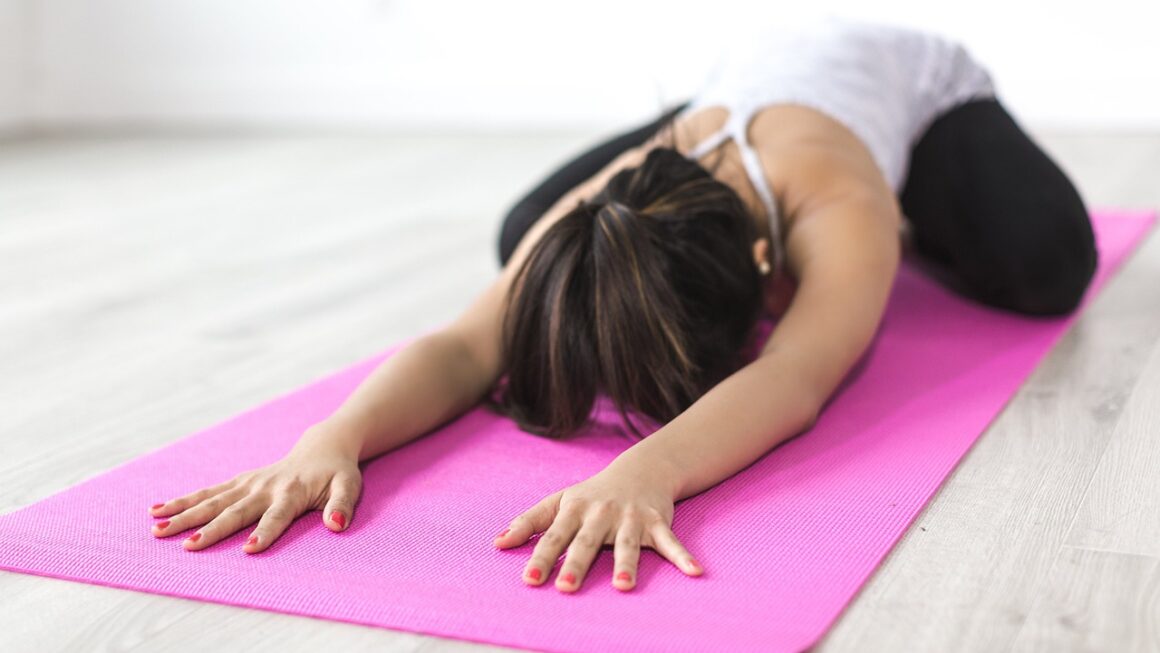
- Rest When Needed: If you feel tired, take a Child’s Pose (Balasana) or simply sit for a moment.
Actionable Takeaway: Record yourself doing a few rounds of Surya Namaskar and review it. Pay attention to your breath and any areas where you might be rushing or compromising alignment. Make a mental note to refine one aspect in your next practice.
Conclusion
The Sun Salutation is far more than a sequence of physical exercises; it’s a holistic practice that nourishes the body, calms the mind, and invigorates the spirit. By consciously flowing through its twelve poses, synchronized with the rhythm of your breath, you embark on a journey of self-discovery, building strength, flexibility, and profound inner peace. Whether you dedicate a few minutes or a longer session, integrating Surya Namaskar into your daily routine is a powerful commitment to your well-being. Embrace this ancient wisdom, honor the sun within and around you, and witness the transformative power of this beautiful yoga practice unfold in your life, one mindful breath and movement at a time.