In the vast world of yoga and mindful movement, some of the most profound benefits often stem from the simplest positions. Among these, the realm of seated poses stands out as a cornerstone for both physical well-being and mental tranquility. Far from being merely a way to rest between more dynamic movements, seated postures are a powerful gateway to enhanced flexibility, improved posture, and a deeper connection to the present moment. Whether you’re a seasoned yogi, a meditation enthusiast, or someone simply looking to alleviate daily stiffness, understanding and integrating seated poses into your routine can unlock a wealth of advantages. This comprehensive guide will explore everything you need to know about these foundational postures, from their incredible benefits to practical tips for mastering your seated practice.
What are Seated Poses? Unpacking the Foundation
Seated poses, often referred to as seated postures, form a fundamental category within yoga and other mindful movement practices. Unlike standing or supine positions, these are performed while you are sitting directly on your mat or the floor, emphasizing stability, grounding, and often, deep stretches.
Defining Seated Postures
At their core, seated poses are about creating a stable base through the hips and pelvis while allowing the spine to lengthen upwards. They are incredibly versatile, ranging from simple, comfortable cross-legged positions to complex hip-opening and spinal-twisting postures. Many seated poses serve as preparatory postures for meditation and breathwork (pranayama), helping to cultivate a sense of calm and focus.
The Spectrum of Seated Poses
The variety within seated yoga poses is immense, each offering unique benefits and challenges. They primarily focus on:
- Hip Flexibility: Many seated poses are powerful hip openers, targeting tightness in the inner thighs, groins, and outer hips, which is common due to modern lifestyles involving prolonged sitting in chairs.
- Spinal Mobility: Seated twists and forward folds help to articulate and decompress the spine, improving its flexibility and strength.
- Grounding and Stability: By firmly rooting the pelvis, these poses cultivate a strong sense of grounding, promoting balance and centeredness, both physically and mentally.
- Preparation for Meditation: A comfortable and stable seated posture is essential for sustained meditation, allowing the mind to quiet without distraction from physical discomfort.
The Profound Benefits of Seated Postures
The advantages of regularly practicing seated poses extend far beyond mere physical flexibility. They are instrumental in fostering holistic well-being, touching upon physical, mental, and emotional aspects of health.
Physical Advantages
- Enhanced Flexibility: Seated postures are unparalleled in their ability to gently and deeply stretch the hips, hamstrings, groins, and spine. This is crucial for maintaining mobility and preventing stiffness, especially as we age.
- Improved Posture: By strengthening core muscles and elongating the spine, seated poses help counteract the slouching often associated with desk jobs, promoting a healthier, more upright posture.
- Alleviation of Lower Back Pain: Many seated stretches, particularly those that gently decompress the spine or open the hips, can significantly relieve tension and pain in the lower back.
- Better Circulation: Certain seated poses can help improve blood flow to the lower extremities and pelvic region, promoting overall vitality.
- Digestive Health: Seated twists, in particular, can stimulate abdominal organs, aiding in digestion and detoxification.
Mental and Emotional Well-being
- Cultivates Calmness and Focus: The inherent stability and stillness of seated poses make them ideal for calming the nervous system. They prepare the mind for meditation, enhancing concentration and mental clarity.
- Stress and Anxiety Reduction: By encouraging deep breathing and present-moment awareness, seated postures can be powerful tools for managing stress and reducing feelings of anxiety. A study published in the Journal of Clinical Psychology noted that mindfulness-based practices, often involving seated meditation, significantly reduce symptoms of anxiety and depression.
- Increased Body Awareness: Holding seated poses encourages you to tune into your body’s subtle sensations, fostering a deeper connection and understanding of your physical self.
- Grounding Sensation: The feeling of being rooted to the earth in a seated posture can provide a profound sense of stability and security, helping to alleviate feelings of unease or restlessness.
Long-Term Health Impacts
Consistent practice of seated poses contributes to long-term health by:
- Maintaining and improving spinal health and flexibility.
- Preventing the accumulation of stiffness and tension in the hips and pelvis.
- Supporting a sustained meditation practice, which has been linked to numerous cognitive and emotional benefits.
- Promoting better overall physical alignment in daily activities.
Essential Seated Poses for Every Body
Whether you’re new to yoga or looking to deepen your existing practice, there are seated poses suitable for all levels. Here are some key postures, along with tips for proper execution and modification.
Beginner-Friendly Seated Poses
Sukhasana (Easy Pose)
- How-to: Sit with your legs crossed comfortably, shins stacked one in front of the other. Rest your hands on your knees, palms up or down. Lengthen your spine, drawing your shoulders down and back.
- Benefits: A fundamental posture for meditation and breathwork. Gently opens the hips and grounds the body.
- Tips: If your knees are higher than your hips, sit on a folded blanket or cushion to elevate your pelvis, allowing your hips to relax and your spine to lengthen more easily.
Dandasana (Staff Pose)
- How-to: Sit with your legs extended straight in front of you, feet flexed, and toes pointing towards the ceiling. Press your sit bones firmly into the floor. Place your hands beside your hips, fingers pointing forward. Engage your thigh muscles and draw your navel gently towards your spine to maintain a long, erect posture.
- Benefits: Strengthens the back muscles, stretches the hamstrings, and prepares the body for seated forward folds. It helps in improving overall body posture.
- Tips: If you tend to round your lower back, sit on the edge of a folded blanket to tilt your pelvis forward slightly.
Baddha Konasana (Bound Angle Pose / Cobbler’s Pose)
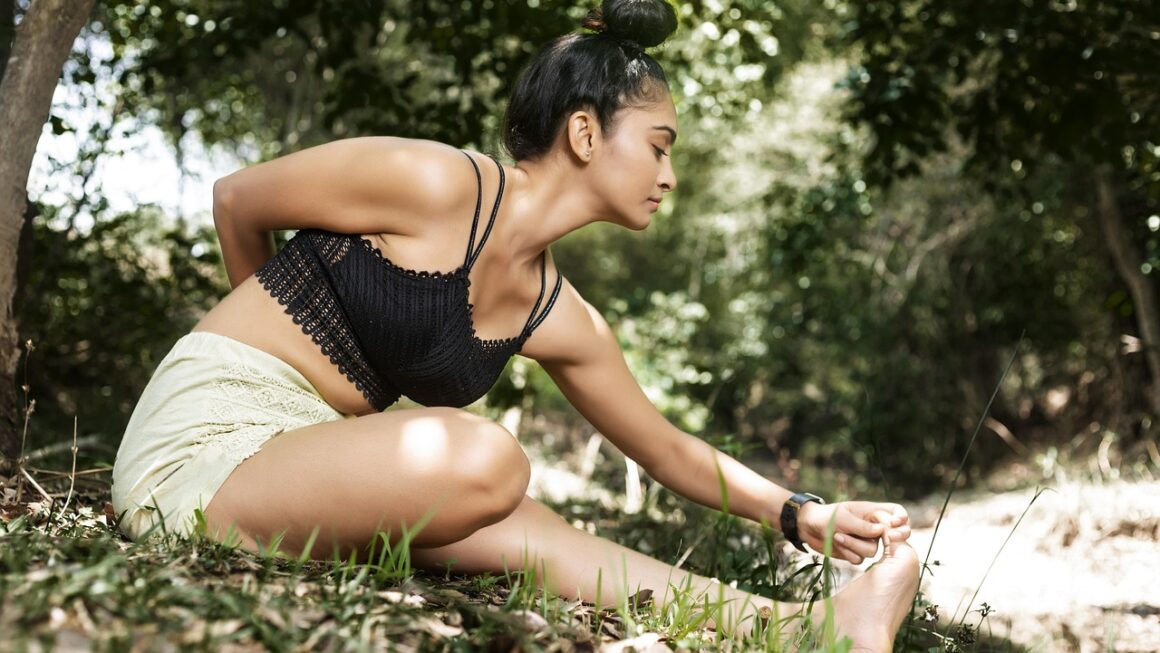
- How-to: Sit with the soles of your feet together, allowing your knees to splay out to the sides. Hold onto your feet or ankles. Sit tall, lengthening your spine. For a deeper stretch, you can gently fold forward from your hips.
- Benefits: A classic hip opener, stretching the inner thighs and groins. It can relieve sciatica and alleviate menstrual discomfort.
- Tips: If your knees are high off the ground, place blocks or cushions under them for support. Avoid forcing your knees down.
Intermediate to Advanced Seated Poses
Ardha Matsyendrasana (Half Lord of the Fishes Pose)
- How-to: From Dandasana, bend your right knee and place your right foot flat on the floor outside your left hip. Keep your left leg straight or bend your left knee, tucking your left foot outside your right hip. Inhale to lengthen your spine, then exhale to twist to the right, placing your right hand behind you and hugging your right knee with your left arm (or hooking your elbow over it). Gaze over your right shoulder.
- Benefits: Increases spinal mobility and flexibility, stretches the hips, shoulders, and neck, and stimulates abdominal organs.
- Tips: Focus on lengthening the spine with each inhale before deepening the twist on the exhale. Avoid collapsing into your lower back.
Paschimottanasana (Seated Forward Bend)
- How-to: From Dandasana, inhale to lengthen your spine. As you exhale, hinge forward from your hips, reaching for your feet, ankles, or shins. Keep your spine long and avoid rounding your upper back excessively.
- Benefits: Stretches the entire backside of the body—hamstrings, calves, and spine. Calms the brain and helps relieve stress.
- Tips: If your hamstrings are tight, bend your knees slightly. The goal is a long spine, not touching your head to your knees.
Padmasana (Lotus Pose)
- How-to: This advanced pose requires significant hip and knee flexibility. From Dandasana, bring your right foot onto your left thigh, heel close to your navel. Then bring your left foot onto your right thigh.
- Benefits: Considered the ultimate meditation posture, promoting deep stability and calm. Deeply opens the hips and ankles.
- Tips: Only attempt this pose if you have ample flexibility to avoid knee injury. Practice preparatory poses like Half Lotus or Baddha Konasana regularly.
Optimizing Your Seated Practice: Tips and Tools
To truly reap the rewards of seated poses, it’s essential to approach them with comfort, awareness, and the right support. Here’s how you can enhance your experience.
Creating a Comfortable Foundation
One of the biggest misconceptions about seated poses is that you must be able to sit flat on the floor with perfectly straight legs. In reality, props are your best friends.
- Yoga Cushions or Bolsters: Elevating your hips on a cushion or bolster is a game-changer for many seated postures, especially Sukhasana and Dandasana. This slight elevation allows your pelvis to tilt forward naturally, taking pressure off your lower back and letting your knees fall below your hips, which is crucial for comfort.
- Folded Blankets: A folded blanket can serve the same purpose as a cushion, or be placed under your knees in poses like Baddha Konasana to provide gentle support and reduce strain.
- Yoga Blocks: Blocks can be used under the knees in Bound Angle Pose or even under your hands in Staff Pose to help maintain an upright spine.
Practical Example: If you find your back rounding in Sukhasana, try sitting on the edge of a folded blanket. Notice how this simple adjustment instantly helps you lengthen your spine and allows your hips to open more comfortably, turning an uncomfortable struggle into a stable and peaceful seat.
Mindful Alignment
While props assist with comfort, mindful alignment ensures you’re getting the most out of each pose safely.
- Spine: Always aim for a long, erect spine. Imagine a string pulling gently from the crown of your head upwards. Maintain the natural curves of your spine, avoiding excessive arching or rounding.
- Shoulders: Keep your shoulders relaxed and drawn down your back, away from your ears. This prevents tension in the neck and upper back.
- Hips: Feel firmly grounded through your sit bones. The stability of your hips is the foundation for the rest of your posture.
- Breathing: Connect with your breath. Deep, steady breathing helps to calm the nervous system, deepen stretches, and enhance your overall experience in the pose.
Listening to Your Body
Your body is your best teacher. Respect its limits and understand that flexibility fluctuates daily.
- Modify, Don’t Force: Never push into pain. A gentle stretch is beneficial; sharp pain is a signal to back off. Always choose a modification that makes the pose accessible and comfortable.
- Consistency Over Intensity: Regular, gentle practice yields far better results than sporadic, intense sessions. Even 5-10 minutes of daily seated stretches can make a significant difference in your flexibility and well-being.
Beyond the Mat: Integrating Seated Poses into Daily Life
The beauty of seated poses is their adaptability. You don’t need a dedicated yoga studio to experience their benefits. They can seamlessly integrate into your daily routine, enhancing your well-being off the mat.
Seated Poses at Your Desk
Prolonged sitting in chairs can lead to stiffness, poor posture, and discomfort. Short breaks with simple seated stretches can counteract these effects.
- Mini-Breaks: Every hour or so, take 2-3 minutes to perform some gentle seated stretches.
- Chair Adaptations:
- Seated Cat-Cow: While sitting in your office chair, place your feet flat on the floor. On an inhale, arch your back slightly and look up (Cow). On an exhale, round your spine and tuck your chin to your chest (Cat). Repeat 5-10 times.
- Gentle Spinal Twist: Sit tall, and gently twist to one side, holding onto the back of your chair. Hold for a few breaths, then switch sides.
- Ankle and Wrist Circles: Regularly rotate your ankles and wrists to improve circulation and reduce stiffness.
- Why it helps: These short, mindful movements improve blood flow, release tension, and help maintain spinal health, preventing the aches and pains associated with a sedentary workday.
Enhancing Meditation and Mindfulness
A stable and comfortable seated posture is the cornerstone of any effective meditation practice. It allows the body to settle, minimizing physical distractions so the mind can focus inward.
- Stable Base: A well-supported seated posture (like Sukhasana on a cushion) provides the physical stability needed for extended periods of stillness. When your body is comfortable, your mind is less likely to be distracted by fidgeting or discomfort.
- Grounding: The act of sitting firmly on the earth helps to create a sense of grounding and presence, which is vital for connecting with the present moment during meditation.
- Breath Connection: When your spine is long and your body is relaxed, your breath flows more freely, making it easier to observe and regulate your breathing, a key component of mindfulness and meditation.
Practical Takeaways for Everyday Well-being
- Daily Ritual: Commit to 5-10 minutes each day for a simple seated sequence. This could be first thing in the morning, before bed, or during a mid-day break.
- Utilize Props: Don’t hesitate to use cushions, blankets, or blocks to make your seated practice more comfortable and effective. Comfort leads to consistency.
- Focus on Breath: Conscious breathing is a powerful tool. Even in a simple seated pose, focusing on deep, steady inhales and exhales can transform your experience, reducing stress and increasing calm.
- Stay Curious: Explore different seated poses and modifications. Find what feels good for your unique body and enjoy the journey of discovery.
Conclusion
Seated poses are much more than just a place to rest; they are dynamic, foundational postures that offer a multitude of benefits for both body and mind. From significantly improving hip and spinal flexibility to cultivating profound mental calm and focus, integrating these postures into your daily life can be a transformative practice. By understanding the various poses, utilizing appropriate props for comfort, and listening attentively to your body, you can unlock a deeper sense of well-being and a stronger connection to yourself. Embrace the stillness, discover the strength, and allow the grounding power of seated poses to enrich your journey towards optimal health and mindfulness. Start today, and experience the quiet revolution that unfolds from simply sitting with intention.