In the vibrant tapestry of yoga styles, one practice stands out for its dynamic energy, athletic challenge, and profound holistic benefits: Power Yoga. Far more than just a physical workout, this invigorating form of yoga seamlessly blends strength, flexibility, and mindfulness, inviting practitioners to embark on a transformative journey. If you’re seeking a yoga experience that ignites your inner fire, sculpts your physique, and sharpens your mental focus, Power Yoga might just be the exhilarating path you’ve been searching for.
What is Power Yoga? Unpacking the Dynamic Flow
Power Yoga is a vigorous, fitness-based approach to Vinyasa-style yoga. It’s an athletic and challenging practice that gets your heart pumping and your muscles working. Rooted in the traditional Ashtanga Vinyasa system, Power Yoga takes the disciplined sequence and adapts it, offering more creativity and variety while maintaining its core principles of linking breath with movement.
Origins and Evolution
While often seen as a modern invention, Power Yoga emerged in the 1980s from the Ashtanga Vinyasa system, popularized in the West by teachers like Beryl Bender Birch and Bryan Kest. They sought to make Ashtanga’s rigorous, fixed sequence more accessible to Western students, particularly athletes, by removing the strict adherence to the exact sequence and allowing for more fluidity and teacher interpretation. This evolution allowed for classes to be tailored, making the practice engaging and adaptable to various fitness levels while retaining its potent physical and mental challenges.
Key Characteristics of Power Yoga
What truly defines a Power Yoga class? It’s a combination of several distinguishing elements:
- Vinyasa Flow: The cornerstone of Power Yoga is its continuous, breath-synchronized movement. Poses are not held for extended periods but flow smoothly from one to the next, creating a dynamic, dance-like sequence.
- Emphasis on Strength: Power Yoga actively builds physical strength through holding challenging poses (like Warrior III or Plank) and transitioning between them. It leverages body weight to develop lean muscle mass and endurance.
- Cardiovascular Element: The constant movement and often rapid transitions elevate the heart rate, providing a significant cardiovascular workout that improves stamina and promotes heart health.
- Breath Synchronization (Ujjayi): The Ujjayi breath (“victorious breath”) is integral, linking every movement to an inhale or exhale. This rhythmic breathing deepens focus, generates internal heat, and calms the nervous system.
- Intensity and Challenge: Classes are typically vigorous, pushing practitioners to their physical and mental limits, encouraging growth and resilience. Modifications are always offered, making it accessible while still challenging.
Actionable Takeaway: To truly grasp Power Yoga, anticipate a class where you’re constantly moving, breathing deeply, and feeling your body work in a harmonious, yet challenging, sequence. Be prepared for an invigorating experience!
The Transformative Benefits of Power Yoga
The consistent practice of Power Yoga offers a cascade of benefits, touching every aspect of your well-being. It’s a holistic practice that strengthens the body, clarifies the mind, and uplifts the spirit.
Physical Fortification
Power Yoga is a phenomenal full-body workout that delivers impressive physical results. Here’s what you can expect:
- Increased Strength and Endurance: Holding poses like Plank, Chaturanga, and various Warrior sequences builds incredible core, upper body, and leg strength. Over time, you’ll notice a significant improvement in your overall physical endurance.
- Enhanced Flexibility and Range of Motion: While focusing on strength, Power Yoga equally emphasizes deep stretches and poses that lengthen muscles and increase joint mobility, leading to greater flexibility.
- Improved Cardiovascular Health: The continuous flow and elevated heart rate during a Power Yoga session provide a vigorous cardio workout, strengthening your heart and improving circulation. Regular practice can contribute to a healthier cardiovascular system.
- Weight Management and Toning: As a high-intensity, full-body workout, Power Yoga burns calories and builds muscle. Increased muscle mass boosts metabolism, aiding in sustainable weight management and creating a more toned physique.
- Better Balance and Coordination: Many Power Yoga poses challenge your balance (e.g., Tree Pose, Eagle Pose), sharpening your proprioception and coordination, which translates to improved stability in daily life.
Practical Example: Imagine moving through a Sun Salutation sequence – starting with a Plank, lowering into Chaturanga, lifting into Upward-Facing Dog, and pushing back to Downward-Facing Dog. This sequence alone strengthens your core, arms, shoulders, and legs, while simultaneously stretching your hamstrings and spine, all in a dynamic flow that gets your heart pumping.
Mental and Emotional Upliftment
Beyond the physical, Power Yoga offers profound benefits for mental and emotional well-being:
- Stress Reduction: The combination of focused breathing, physical exertion, and mindfulness helps to release accumulated tension and stress. The practice encourages you to stay present, detaching from daily worries.
- Enhanced Focus and Concentration: The dynamic nature of Power Yoga demands complete attention to breath and movement. This intense focus acts as a moving meditation, training your mind to be more present and less distracted.
- Mental Clarity and Decision-Making: By reducing mental clutter and fostering a sense of calm, Power Yoga can lead to greater mental clarity, helping you approach challenges with a more composed and decisive mindset.
- Improved Mood and Emotional Regulation: Physical activity, especially when combined with mindful breathing, is known to release endorphins, boosting mood and helping to regulate emotions, often leaving practitioners feeling uplifted and energized.
- Increased Body Awareness: Through challenging poses and precise movements, you develop a deeper understanding of your body’s capabilities and limitations, fostering a stronger mind-body connection.
Actionable Takeaway: Embrace the challenge of Power Yoga not just for physical gains, but as a powerful tool for cultivating resilience, focus, and a profound sense of inner calm. The mental discipline learned on the mat translates directly to improved everyday life.
Getting Started with Power Yoga: A Beginner’s Guide
Intrigued by the benefits but unsure where to begin? Don’t be intimidated by the “power” in Power Yoga. With the right approach, anyone can start their journey.
What to Expect in Your First Class
Your initial Power Yoga class might feel challenging, but remember, everyone starts somewhere. Here’s how to set yourself up for success:
- Pace and Intensity: Classes are typically faster-paced than traditional Hatha yoga. Expect to sweat and to move almost continuously. Don’t feel pressured to keep up perfectly; listen to your body.
- Modifications are Key: A good instructor will offer modifications for various poses. Don’t hesitate to use them! Modifying doesn’t mean you’re “less advanced”; it means you’re practicing safely and intelligently.
- Listen to Your Body: This is paramount. If something causes sharp pain, ease off or stop. Discomfort is part of growth, but pain is a warning sign.
- Hydration and Nutrition: Drink plenty of water before and after class. Avoid heavy meals right before, but ensure you’ve had enough to fuel your body.
- Arrive Early: Give yourself time to check in, set up your mat, and perhaps speak briefly with the instructor about any injuries or concerns.
Practical Example: If the instructor cues a full Chaturanga, but your wrists or shoulders are feeling weak, opt for lowering your knees to the mat first, or simply hold Plank. The goal is proper form and engagement, not necessarily the deepest version of the pose.
Essential Gear and Preparation
You don’t need much, but a few items will enhance your experience:
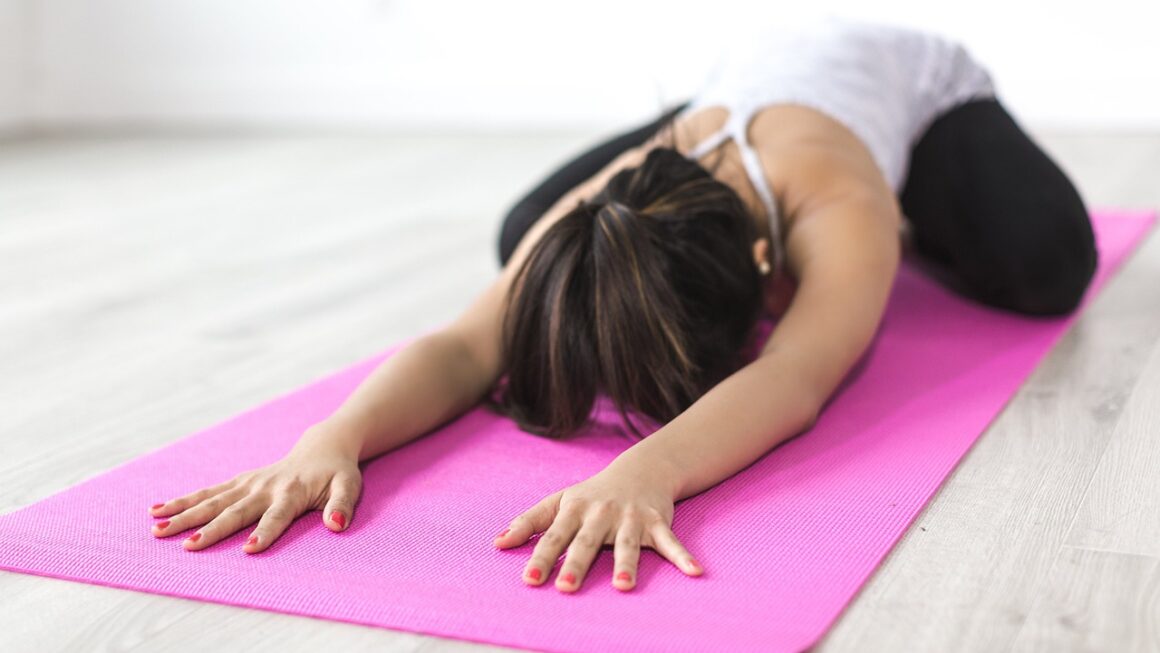
- Yoga Mat: A good quality, non-slip yoga mat is crucial, especially as you’ll be moving and sweating.
- Comfortable Attire: Wear breathable, flexible clothing that allows for a full range of motion. Think athletic wear designed for movement.
- Water Bottle: Stay hydrated throughout the class, especially if it’s heated or you’re sweating a lot.
- Towel: A small hand towel or a yoga mat towel (which covers your mat and absorbs sweat) can be very helpful.
- Props (Optional): While not strictly essential for beginners, blocks and straps can assist with challenging poses and improve alignment. Studios often provide these, so check first.
Actionable Takeaway: Prepare for your first class by arriving hydrated, wearing comfortable clothes, and being open to modifications. Remember, consistency is more important than perfection when you’re starting out.
Common Poses and Sequences in Power Yoga
While Power Yoga classes offer variety, certain foundational poses and sequences form the backbone of almost every practice. Understanding these will help you feel more comfortable and confident.
Foundational Poses
You’ll encounter these poses frequently, as they build strength, flexibility, and stability:
- Downward-Facing Dog (Adho Mukha Svanasana): A resting pose that stretches the entire back of the body while strengthening the arms and legs. It’s often used as a transition.
- Plank Pose: Builds core and upper body strength. It’s a key component of Sun Salutations.
- Chaturanga Dandasana (Four-Limbed Staff Pose): A challenging lower-down from Plank, building immense arm and core strength. Often modified to knees-chest-chin or a shallower bend.
- Upward-Facing Dog (Urdhva Mukha Svanasana): A backbend that opens the chest and strengthens the spine, often following Chaturanga.
- Warrior Series (I, II, III): These powerful standing poses build leg strength, open the hips, and improve balance and focus. They are central to many Power Yoga flows.
- Triangle Pose (Trikonasana): Stretches the hamstrings, groins, and hips while strengthening the legs and core.
- Tree Pose (Vrksasana): A balancing pose that strengthens the legs, ankles, and feet while improving focus.
Integrating Breath and Movement (Ujjayi Breath)
The synergy between breath and movement is what makes Power Yoga a moving meditation. The Ujjayi Breath, often called the “ocean breath,” is key:
- How to Practice: Gently constrict the back of your throat as if you’re trying to fog up a mirror, but with your mouth closed. This creates a soft, audible ocean-like sound during both inhalation and exhalation.
- Its Purpose: Ujjayi breath helps regulate the flow of prana (life force), generates internal heat (tapas), and maintains focus. It acts as an anchor, linking each inhale to a pose and each exhale to a transition.
Practical Example: During a Sun Salutation A, you might inhale to lift your arms, exhale to fold forward, inhale to lengthen your spine, exhale to step or jump back to Chaturanga, inhale to Upward-Facing Dog, and exhale to Downward-Facing Dog. This rhythmic breathing guides and energizes every single movement.
Actionable Takeaway: Familiarize yourself with the core poses and consciously practice your Ujjayi breath. This will not only make your practice more fluid but also deepen its meditative quality.
Power Yoga vs. Other Yoga Styles
Understanding how Power Yoga differentiates itself from other popular yoga styles can help you choose the right practice for your goals and preferences.
Power Yoga vs. Traditional Hatha
Hatha yoga often refers to any yoga style that uses physical postures. However, in modern contexts, a Hatha class typically emphasizes holding poses for several breaths, focusing on alignment and foundational principles. It’s generally slower-paced and less intense than Power Yoga.
- Pace: Hatha is slower, with longer holds; Power Yoga is dynamic and flow-oriented.
- Intensity: Hatha is generally gentler; Power Yoga is physically demanding and rigorous.
- Focus: Hatha emphasizes precise alignment and breath awareness within static poses; Power Yoga prioritizes continuous movement, strength building, and cardiovascular benefits.
Power Yoga vs. Vinyasa Flow
This comparison is tricky because Power Yoga is essentially a subset or specific style of Vinyasa yoga. All Power Yoga is Vinyasa, but not all Vinyasa is Power Yoga.
- Shared Elements: Both styles emphasize linking breath with movement, creating a fluid sequence of poses.
- Key Difference: Power Yoga typically leans towards a more athletic, intense, and fitness-oriented approach. While Vinyasa can be gentle and slow, Power Yoga generally implies a high-energy, strength-focused workout. A Vinyasa class might be tailored to be more restorative or meditative, whereas Power Yoga consistently aims for a vigorous challenge.
Actionable Takeaway: If you prefer a slower, more deliberate practice with extended holds, Hatha might be for you. If you enjoy a flowing, dynamic practice, but want to ensure it’s a vigorous workout, opt for Power Yoga. If you want variety and don’t mind a potentially less intense flow, a general Vinyasa class might be suitable.
Conclusion
Power Yoga offers an exhilarating and comprehensive path to holistic well-being. By seamlessly weaving together challenging postures, dynamic movement, and mindful breath, it cultivates unparalleled physical strength, flexibility, and cardiovascular health, while simultaneously sharpening mental focus, reducing stress, and fostering a profound sense of inner calm.
Whether you’re an athlete looking to cross-train, someone aiming for weight management, or simply seeking a vigorous and empowering practice that transcends the purely physical, Power Yoga provides an accessible yet deeply transformative experience. It’s an invitation to connect with your strength, challenge your limits, and discover the immense power that resides within you, both on and off the mat. Embark on your Power Yoga journey and unlock a more vibrant, resilient, and mindful you.