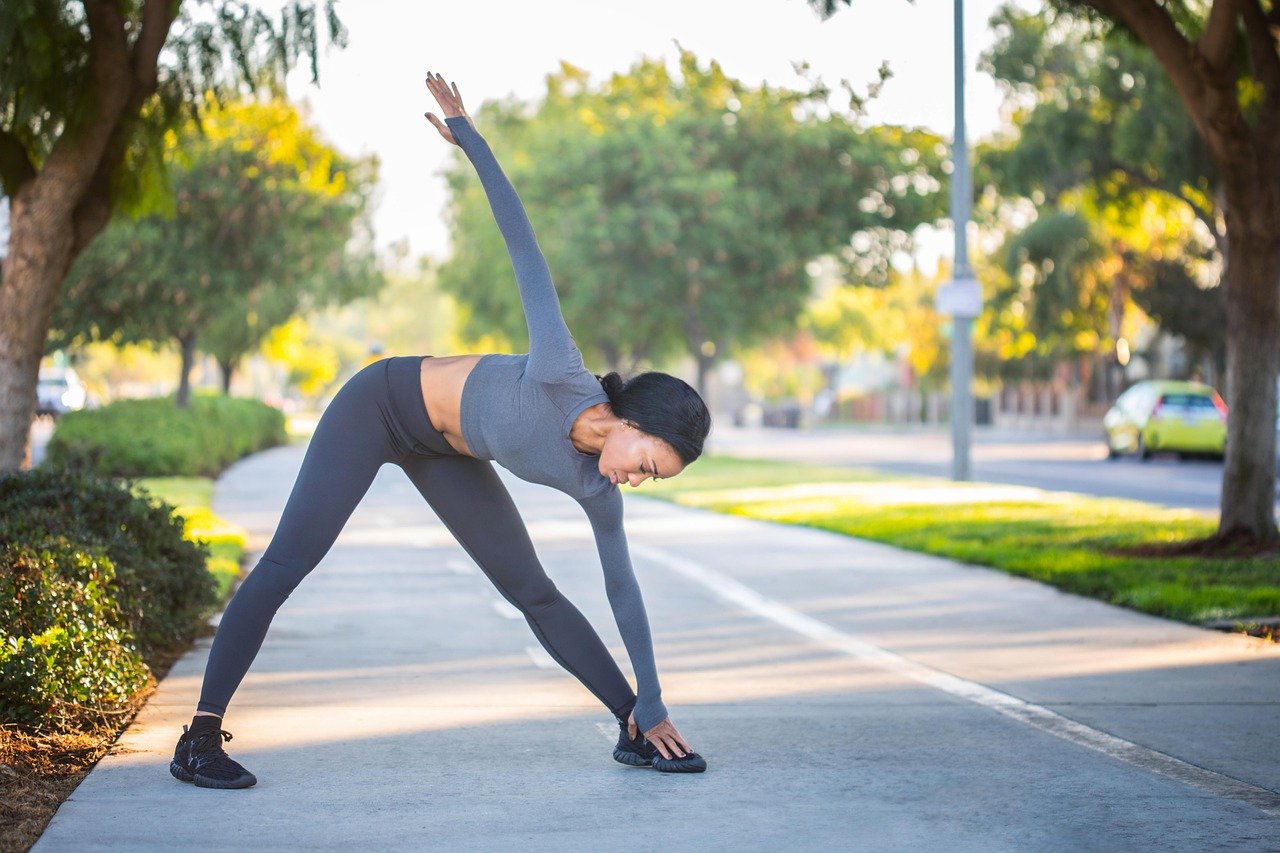
In our fast-paced, digital world, it’s all too easy to live from the neck up, disconnected from the subtle wisdom and signals of our own bodies. Yet, developing a deep sense of body awareness is a foundational skill for holistic well-being, profoundly impacting everything from our physical health and athletic performance to our emotional regulation and mental clarity. It’s about tuning into the intricate symphony of sensations, movements, and internal states that constantly unfold within us. This comprehensive guide will explore what body awareness truly means, its myriad benefits, and actionable strategies to cultivate this powerful connection, helping you unlock a richer, more embodied existence.
## What is Body Awareness? Unlocking Your Inner Landscape
Body awareness, often referred to as somatic awareness, is the conscious perception of one’s own body. It’s the ability to sense and understand the signals your body sends, both from its exterior (like touch and pressure) and its interior (like hunger, pain, or emotional states). It’s more than just knowing where your arm is; it’s understanding the tension in your shoulders, the rhythm of your breath, or the subtle shift in your gut feeling.
### Defining Body Awareness
At its core, body awareness is a form of self-knowledge rooted in physical experience. It involves a continuous, non-judgmental observation of one’s physical self. This internal dialogue allows us to recognize patterns, anticipate needs, and respond more effectively to both internal and external stimuli. It’s an ongoing process of learning and attuning to the intricate details of our physical presence.
- Conscious Perception: Actively paying attention to physical sensations, posture, and movement.
- Internal Cues: Recognizing hunger, thirst, fatigue, pain, and emotional responses as felt in the body.
- Mind-Body Connection: Understanding how thoughts and emotions manifest physically, and vice-versa.
### The Pillars of Somatic Intelligence
Our capacity for body awareness relies on several sensory systems working in concert, providing us with a rich tapestry of information about our internal and external worlds.
- Proprioception: This is often called our “sixth sense,” the unconscious perception of movement and spatial orientation. It’s what allows you to touch your nose with your eyes closed, or walk without constantly looking at your feet. It tells you where your body parts are in space relative to each other. Strong proprioception is crucial for balance, coordination, and preventing injuries.
- Interoception: This refers to the perception of sensations from inside the body, such as heart rate, respiration, digestion, and states of fullness, pain, or arousal. Interoception is vital for emotional regulation and self-awareness, as many emotions are experienced as physical sensations (e.g., a “lump in the throat” or “butterflies in the stomach”).
- Exteroception: While less directly tied to internal awareness, exteroception (our traditional five senses – touch, sight, hearing, smell, taste) provides information about the external world that directly impacts our body awareness. For instance, feeling the temperature of a room or the texture of a surface grounds us in the present moment.
## The Profound Benefits of Heightened Body Awareness
Cultivating a deeper connection with your body offers a wealth of advantages, enhancing both your physical and psychological well-being. From reducing stress to improving performance, the ripple effects are transformative.
### Enhancing Physical Health and Performance
A finely tuned sense of body awareness is a superpower for physical health, allowing for greater control, efficiency, and resilience.
- Injury Prevention: By noticing subtle aches, imbalances, or fatigue before they escalate, you can adjust movements, rest, or seek intervention, significantly reducing the risk of strains, sprains, and chronic pain. For example, an athlete with high body awareness might feel a “tweak” in a muscle and modify their training before it becomes a tear.
- Improved Posture and Movement: Conscious awareness helps identify poor postural habits and movement patterns. This allows for intentional correction, leading to better alignment, reduced back pain, and more efficient movement in daily activities. Think of how a dancer or yoga practitioner moves with grace and precision due to their deep somatic understanding.
- Optimized Athletic Performance: Athletes who are highly attuned to their bodies can push their limits safely, recover more effectively, and execute complex movements with greater precision. They can fine-tune their technique, recognize fatigue, and make real-time adjustments for peak performance.
### Boosting Mental and Emotional Well-being
The mind-body connection is undeniable, and enhancing body awareness directly impacts our mental and emotional landscapes.
- Stress Reduction and Emotional Regulation: Many emotions manifest physically. By recognizing the early physical signs of stress (e.g., jaw clenching, shallow breath, tense shoulders), you can intervene sooner with calming techniques like deep breathing or stretching, preventing emotional overwhelm. This is a cornerstone of effective stress reduction.
- Increased Self-Compassion and Self-Acceptance: A non-judgmental awareness of your body’s current state fosters a greater sense of acceptance and kindness towards yourself, rather than constantly striving for an idealized image. It helps you appreciate your body for what it can do, rather than focusing on perceived flaws.
- Enhanced Focus and Cognitive Function: Grounding yourself in physical sensations can pull you out of cycles of rumination or distraction, bringing you into the present moment. This enhanced presence can improve concentration, decision-making, and overall cognitive clarity.
## Practical Strategies to Cultivate Body Awareness
Developing body awareness is a skill that improves with practice. Fortunately, there are many accessible techniques you can integrate into your routine to deepen your connection.
### Mindful Movement Practices
Engaging in activities that require conscious attention to movement and sensation are powerful tools for building somatic intelligence.
- Yoga and Pilates: These disciplines emphasize precise movements, breath synchronization, and holding postures, forcing you to pay close attention to muscle engagement, balance, and alignment. They are excellent for developing both proprioception and interoception.
- Tai Chi and Qigong: Ancient Chinese practices involving slow, flowing movements and deep breathing. They cultivate a profound sense of body control, balance, and internal energy awareness, often referred to as “moving meditation.”
- Feldenkrais Method and Alexander Technique: These methods focus on re-educating the nervous system to improve movement patterns and posture, often through gentle, guided explorations of movement and self-observation. They teach you to become aware of habitual movements and discover more efficient ways of moving.
### Sensory Exploration and Grounding Exercises
Directly tuning into your senses and physical presence can rapidly enhance body awareness.
- Body Scan Meditation: Lie down comfortably and systematically bring your attention to each part of your body, noticing any sensations (warmth, tingling, pressure, absence of sensation) without judgment. This is a powerful practice for developing interoceptive awareness.
- Mindful Walking: As you walk, pay close attention to the sensation of your feet on the ground, the rhythm of your steps, the swing of your arms, and your breath. Notice how your body shifts weight and maintains balance. This simple practice can turn a mundane activity into a powerful awareness exercise.
- Sensory Check-ins: Throughout your day, take short breaks (e.g., 30 seconds to a minute) to pause and ask yourself: “What am I feeling in my body right now?” Notice your posture, breath, tension points, and any internal sensations. This helps integrate awareness into daily life.
## Integrating Body Awareness into Daily Life
The true power of body awareness lies in its integration beyond formal practice, weaving it into the fabric of your everyday experiences.
### Mindful Eating and Drinking
Transform your meals into opportunities for somatic connection and enhance your relationship with food.
- Slowing Down: Before taking a bite, pause to observe the food – its colors, aroma, texture. As you eat, notice the sensations in your mouth, the taste, the act of chewing and swallowing.
- Noticing Sensations: Pay attention to your body’s signals of hunger and fullness. Eat slowly enough to register when you are satisfied, rather than just full. This practice can improve digestion and prevent overeating.
### Conscious Ergonomics and Posture
Our work and home environments often lead to poor posture and repetitive strain. Body awareness helps counteract this.
- Desk Setup: Periodically check in with your posture at your desk. Are your shoulders relaxed? Is your back supported? Are your feet flat on the floor? Make adjustments based on what your body tells you.
- Regular Movement Breaks: Set a timer to remind yourself to stand, stretch, or walk for a few minutes every hour. Listen to your body’s signals for stiffness or fatigue and respond proactively.
### Responding to Stress with Somatic Intelligence
Using body awareness to navigate stress is a crucial life skill for emotional regulation and overall well-being.
- Recognizing Early Signs: Learn to identify your personal physical cues for stress (e.g., tight neck, rapid heart rate, shallow breath, clenched jaw). The sooner you notice these, the sooner you can intervene.
- Breathwork: When you feel stress rising, intentionally shift to slow, deep abdominal breathing. Focus on the sensation of your breath entering and leaving your body. This directly engages the parasympathetic nervous system, promoting relaxation.
- Grounding Techniques: If feeling overwhelmed, focus on physical sensations that connect you to the present moment. Feel your feet on the floor, the texture of the chair you’re sitting on, or the warmth of your hands. This can help anchor you.
## Conclusion: Your Journey to a More Embodied Self
Body awareness is not merely a trendy concept; it’s a fundamental pathway to a healthier, more balanced, and resilient life. By consciously tuning into the incredible intelligence of your body through practices like mindful movement, sensory exploration, and daily check-ins, you unlock a powerful source of insight and self-regulation. This journey of becoming more embodied empowers you to prevent injury, manage stress, regulate emotions, and live with greater presence and clarity. Start small, be patient, and embrace the continuous process of listening to your body’s profound wisdom. Your well-being will thank you for it.