Chronic inflammation, often referred to as the “silent killer,” is a fundamental driver behind many of today’s most prevalent health challenges, from heart disease and diabetes to autoimmune conditions and even certain cancers. It’s not always obvious, presenting as persistent fatigue, unexplained aches, digestive issues, or skin problems. However, understanding and actively managing inflammation is one of the most powerful steps you can take towards a vibrant, healthier future. This comprehensive guide will delve into the world of anti-inflammatory strategies, empowering you with the knowledge and practical tools to cool the flames of inflammation and reclaim your well-being.
Understanding Inflammation: The Body’s Double-Edged Sword
Inflammation is a natural, vital process that helps your body heal and defend itself from harm. But like many good things, too much of it can be detrimental.
What is Inflammation? Acute vs. Chronic
- Acute Inflammation: This is your body’s immediate, short-term response to injury or infection. Think of a cut finger that swells, reddens, and becomes warm. Immune cells rush to the site, clear out damaged cells, and initiate repair. It’s a crucial part of healing and typically resolves once the threat is gone.
- Chronic Inflammation: This is a prolonged, low-grade inflammatory response that can persist for months or even years. Instead of resolving, the immune system remains on high alert, continuously producing inflammatory molecules. This can occur due to various factors like persistent infections, exposure to toxins, unhealthy diet, stress, or autoimmune conditions where the body mistakenly attacks its own tissues. Unlike acute inflammation, chronic inflammation often lacks obvious symptoms and can silently damage healthy cells and tissues.
The Dangers of Chronic Inflammation
When inflammation becomes chronic, it shifts from being protective to destructive, significantly increasing the risk of numerous serious health issues.
- Cardiovascular Diseases: Chronic inflammation contributes to atherosclerosis (hardening of the arteries), a leading cause of heart attacks and strokes.
- Metabolic Disorders: It plays a key role in insulin resistance, type 2 diabetes, and obesity.
- Autoimmune Diseases: Conditions like rheumatoid arthritis, lupus, Crohn’s disease, and multiple sclerosis are characterized by chronic inflammation where the immune system attacks the body’s own tissues.
- Neurodegenerative Diseases: Research suggests a link between chronic inflammation and conditions like Alzheimer’s and Parkinson’s disease.
- Cancers: Persistent inflammation can create an environment that promotes the growth and spread of cancer cells.
- Joint Pain and Arthritis: Beyond autoimmune forms, chronic inflammation exacerbates osteoarthritis and general joint discomfort.
- Digestive Issues: Inflammatory bowel diseases (Crohn’s, ulcerative colitis) are prime examples, but it can also contribute to irritable bowel syndrome (IBS) and leaky gut.
- Mood Disorders: Growing evidence links chronic inflammation to depression and anxiety.
Actionable Takeaway: Recognize the subtle signs of chronic inflammation, such as persistent fatigue, brain fog, or generalized aches, and understand that addressing its root causes is essential for long-term health.
The Anti-Inflammatory Diet: Fueling Your Body for Health
Your plate is one of the most powerful tools you have to combat inflammation. An anti-inflammatory diet emphasizes whole, unprocessed foods rich in antioxidants, omega-3 fatty acids, and fiber, while limiting inflammatory triggers.
Key Principles of an Anti-Inflammatory Diet
- Focus on Whole Foods: Prioritize fruits, vegetables, whole grains, nuts, seeds, and lean proteins. These foods are packed with vital nutrients that support cellular health and reduce oxidative stress.
- Embrace Healthy Fats: Incorporate omega-3 fatty acids, known for their potent anti-inflammatory properties, and monounsaturated fats. Avoid trans fats and limit saturated fats.
- Load Up on Antioxidants: Antioxidants protect cells from damage caused by free radicals, which contribute to inflammation. Brightly colored fruits and vegetables are excellent sources.
- Choose Complex Carbohydrates: Opt for whole grains (oats, quinoa, brown rice) and legumes, which provide sustained energy and fiber, over refined carbohydrates that can spike blood sugar and promote inflammation.
- Hydrate with Water: Adequate water intake is crucial for all bodily functions, including flushing out toxins and maintaining cellular health.
Top Anti-Inflammatory Foods
Incorporate these powerhouses into your daily meals to actively fight inflammation:
- Berries: Blueberries, strawberries, raspberries, and cherries are rich in anthocyanins, powerful antioxidants.
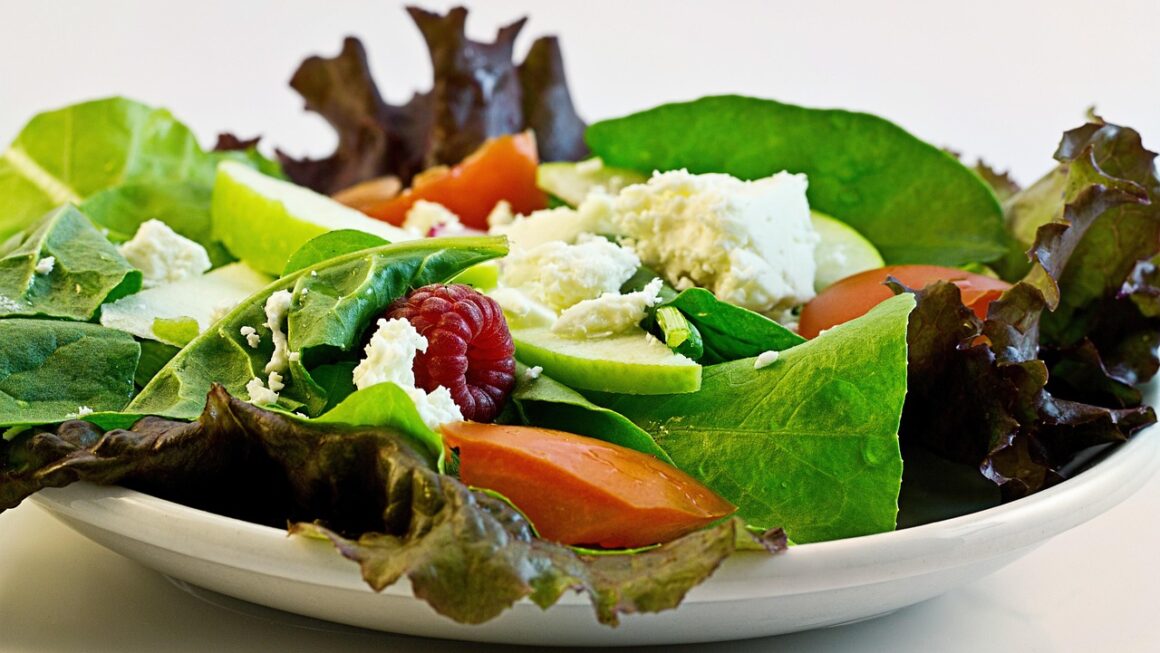
- Leafy Green Vegetables: Spinach, kale, collard greens, and Swiss chard are loaded with vitamins, minerals, and antioxidants like quercetin.
- Fatty Fish: Salmon, mackerel, sardines, and anchovies are excellent sources of omega-3 fatty acids (EPA and DHA). Aim for 2-3 servings per week.
- Turmeric: This vibrant spice contains curcumin, a compound with well-researched anti-inflammatory effects. Pair with black pepper to enhance absorption.
- Ginger: Known for its soothing properties, gingerols in ginger can reduce inflammation and relieve pain.
- Olive Oil: Extra virgin olive oil (EVOO) is a cornerstone of the Mediterranean diet, rich in monounsaturated fats and oleocanthal, which has similar anti-inflammatory effects to ibuprofen.
- Nuts and Seeds: Almonds, walnuts, chia seeds, and flaxseeds provide healthy fats, fiber, and antioxidants.
- Cruciferous Vegetables: Broccoli, cauliflower, Brussels sprouts, and cabbage contain compounds that help detoxify the body and reduce inflammation.
- Green Tea: Rich in polyphenols, particularly epigallocatechin gallate (EGCG), which has strong anti-inflammatory properties.
Example Meal Idea: A breakfast smoothie with spinach, blueberries, flax seeds, and almond milk. For dinner, baked salmon with roasted broccoli and quinoa, drizzled with extra virgin olive oil and seasoned with turmeric and black pepper.
Foods to Limit or Avoid
Just as important as what you eat is what you choose to avoid or significantly reduce, as certain foods actively promote inflammation:
- Processed Foods: Packaged snacks, fast food, and ready meals often contain high amounts of unhealthy fats, sugars, and artificial ingredients.
- Refined Sugars and High-Fructose Corn Syrup: Found in sodas, candies, pastries, and many processed foods, these can trigger inflammatory responses and contribute to insulin resistance.
- Unhealthy Fats: Trans fats (often found in hydrogenated oils and fried foods) and excessive amounts of omega-6 fatty acids from vegetable oils (soybean, corn, sunflower) can promote inflammation when not balanced with omega-3s.
- Refined Grains: White bread, white pasta, and white rice lack fiber and nutrients and can rapidly increase blood sugar, leading to inflammation.
- Excessive Alcohol: While moderate intake of certain alcohols (like red wine) might have some benefits, excessive consumption can damage the gut lining and promote systemic inflammation.
Actionable Takeaway: Start by making one simple swap each week – perhaps replacing sugary drinks with water or swapping white bread for whole-grain options. Gradually introduce more anti-inflammatory foods, aiming for a rainbow of colors on your plate daily.
Lifestyle Factors for Reducing Inflammation
Diet is a cornerstone, but a holistic approach to managing inflammation involves integrating several other healthy lifestyle choices. These factors work synergistically to support your body’s natural healing and protective mechanisms.
Exercise and Movement
Regular physical activity is a powerful anti-inflammatory agent, but it doesn’t mean you need to become a marathon runner.
- How it Helps: Exercise helps reduce adipose tissue (fat), which produces inflammatory cytokines. It also improves circulation, reduces stress, and enhances immune function.
- Types of Exercise:
- Moderate Aerobic Activity: Brisk walking, swimming, cycling, dancing for 30 minutes most days of the week.
- Strength Training: Using weights or bodyweight exercises to build muscle, 2-3 times per week.
- Flexibility and Balance: Yoga, Pilates, and stretching can improve mobility and reduce stiffness often associated with inflammation.
- Practical Tip: Find an activity you enjoy to make it sustainable. Even short bursts of activity, like walking during lunch breaks or taking the stairs, add up. Aim for at least 150 minutes of moderate-intensity activity per week.
Stress Management Techniques
Chronic stress triggers the release of cortisol and other hormones that can fuel inflammation in the body.
- The Stress-Inflammation Link: Persistent psychological stress can activate inflammatory pathways, making conditions like irritable bowel syndrome or autoimmune diseases worse.
- Effective Techniques:
- Mindfulness and Meditation: Even 5-10 minutes daily can significantly reduce stress hormones. Apps like Calm or Headspace can guide you.
- Deep Breathing Exercises: Simple techniques like box breathing can calm the nervous system instantly.
- Yoga and Tai Chi: Combine physical movement with mindfulness, promoting both relaxation and gentle exercise.
- Spending Time in Nature: Research shows exposure to natural environments can lower stress and blood pressure.
- Hobby Engagement: Engaging in enjoyable activities like reading, gardening, or painting can be a powerful stress reducer.
- Practical Tip: Identify your biggest stress triggers and develop a personalized coping strategy. Prioritize self-care and learn to say no when necessary.
Quality Sleep
Sleep is a vital restorative process, and insufficient sleep can significantly contribute to systemic inflammation.
- The Impact of Poor Sleep: Lack of sleep elevates inflammatory markers like C-reactive protein (CRP) and interleukin-6. It disrupts hormone balance and weakens immune function.
- Tips for Better Sleep:
- Maintain a Consistent Sleep Schedule: Go to bed and wake up at the same time every day, even on weekends.
- Create a Relaxing Bedtime Routine: A warm bath, reading a book, or gentle stretching can signal to your body that it’s time to wind down.
- Optimize Your Sleep Environment: Ensure your bedroom is dark, quiet, and cool.
- Limit Screen Time Before Bed: The blue light emitted from devices can interfere with melatonin production.
- Avoid Caffeine and Heavy Meals Late in the Day: These can disrupt sleep patterns.
- Practical Tip: Aim for 7-9 hours of quality sleep per night. If you consistently struggle with sleep, consult a healthcare professional.
Actionable Takeaway: Integrate small, consistent changes across these lifestyle areas. Start with a 10-minute walk daily, practice 5 minutes of mindful breathing, and set a consistent bedtime to build a strong foundation for reducing inflammation.
Anti-Inflammatory Supplements and Their Role
While a whole-foods diet and healthy lifestyle are paramount, certain supplements can offer additional support in managing chronic inflammation. It’s crucial to approach supplementation wisely and always consult a healthcare professional.
Popular Anti-Inflammatory Supplements
- Omega-3 Fatty Acids (Fish Oil):
- Benefits: EPA and DHA are powerful anti-inflammatory compounds, reducing the production of inflammatory molecules and supporting cardiovascular and brain health.
- Source: Typically derived from fatty fish. Look for high-quality, third-party tested supplements to ensure purity and potency.
- Practical Tip: If you don’t regularly consume fatty fish, an omega-3 supplement can be beneficial. Typical dosages range from 1-3 grams of combined EPA+DHA daily, but individual needs vary.
- Curcumin (from Turmeric):
- Benefits: Curcumin is the active compound in turmeric, known for its strong anti-inflammatory and antioxidant effects. It can help with joint pain, digestive issues, and overall systemic inflammation.
- Source: Often standardized extracts are used in supplements.
- Practical Tip: Curcumin has poor bioavailability on its own. Look for supplements that combine it with piperine (black pepper extract) or formulated for enhanced absorption (e.g., liposomal curcumin).
- Ginger Extract:
- Benefits: Gingerols and shogaols in ginger possess significant anti-inflammatory and antioxidant properties, often used for nausea, digestive discomfort, and pain relief.
- Source: Available as capsules or tinctures.
- Practical Tip: Fresh ginger can be added to teas, smoothies, and stir-fries daily. Supplements offer a more concentrated dose for specific inflammatory conditions.
- Vitamin D:
- Benefits: Often called the “sunshine vitamin,” Vitamin D plays a crucial role in immune regulation and reducing inflammation. Deficiency is very common and linked to increased inflammatory markers.
- Source: Sunlight exposure, fortified foods, or supplements.
- Practical Tip: Get your Vitamin D levels checked by a doctor, especially if you live in a northern climate or have limited sun exposure. Supplementation may be necessary, typically D3.
- Probiotics:
- Benefits: A healthy gut microbiome is intimately linked to a healthy immune system and reduced systemic inflammation. Probiotics introduce beneficial bacteria to the gut.
- Source: Fermented foods (yogurt, kefir, sauerkraut) or supplements.
- Practical Tip: Choose a multi-strain probiotic with a high CFU count. Consistency is key, and pairing with prebiotics (fiber-rich foods) supports their growth.
Important Considerations Before Supplementing
While potentially beneficial, supplements are not a magic bullet and should be used cautiously.
- Consult Your Doctor: Always discuss any new supplements with your healthcare provider, especially if you have existing health conditions, are pregnant/nursing, or are taking medications. Some supplements can interact with drugs or have contraindications.
- Quality Matters: Choose reputable brands that provide third-party testing for purity, potency, and absence of contaminants. Look for certifications.
- Dosage: Follow recommended dosages, or those prescribed by your doctor. More is not always better and can sometimes be harmful.
- Supplements are Supportive: Remember that supplements are intended to supplement a healthy diet and lifestyle, not replace them.
Actionable Takeaway: Prioritize an anti-inflammatory diet and lifestyle first. If you consider supplements, research thoroughly and consult your doctor to ensure they are appropriate and safe for your individual needs.
Practical Tips for Integrating Anti-Inflammatory Habits into Your Life
Making sustainable changes can feel daunting, but integrating anti-inflammatory habits doesn’t have to be an overhaul. Small, consistent steps can lead to significant improvements over time.
Meal Planning Strategies
Preparation is key to maintaining a consistent anti-inflammatory diet.
- Batch Cooking: Dedicate a few hours on a weekend to cook larger portions of anti-inflammatory staples like quinoa, roasted vegetables, grilled chicken/fish, or lentil soup. This provides ready-to-eat components for quick meals during the week.
- The “Plate Method”: Aim for half your plate to be non-starchy vegetables, a quarter lean protein, and a quarter whole grains/starchy vegetables at each meal.
- Smart Grocery Lists: Plan your meals for the week and create a shopping list based on anti-inflammatory ingredients. Stick to the perimeter of the grocery store where fresh produce, lean proteins, and dairy are typically found.
- Example: Prepare a large batch of roasted sweet potatoes and broccoli, and cook extra salmon fillets. Throughout the week, combine them with fresh greens for salads, or use them as easy additions to bowls.
Simple Swaps and Substitutions
Small changes in your usual choices can make a big difference.
- Swap Butter for Olive Oil: Use extra virgin olive oil for cooking and dressings whenever possible.
- Replace White Grains with Whole Grains: Opt for whole wheat bread, brown rice, quinoa, or oat-based cereals instead of refined white versions.
- Choose Healthy Snacks: Instead of chips or cookies, grab a handful of nuts, seeds, berries, or a piece of fruit.
- Sweeten Naturally: Reduce refined sugar by using natural alternatives like a small amount of honey, maple syrup, or fruit, or gradually reduce overall sweetness.
- Spice it Up: Rely on anti-inflammatory spices like turmeric, ginger, garlic, and cayenne pepper to flavor your food instead of excessive salt or sugary sauces.
Creating a Supportive Environment
Your surroundings can either hinder or help your health goals.
- Kitchen Makeover: Stock your pantry and refrigerator with anti-inflammatory foods, making healthy choices the easiest choices. Remove tempting processed snacks.
- Mindful Eating Space: Designate a peaceful area for meals, free from distractions like screens, to encourage mindful eating and better digestion.
- Schedule Self-Care: Block out time in your calendar for exercise, meditation, or other stress-reducing activities, just as you would for an important appointment.
- Educate Yourself: Continuously learn about anti-inflammatory living. Follow reputable health blogs, read books, or attend workshops to stay motivated and informed.
Actionable Takeaway: Pick one strategy from each subsection (meal planning, swaps, environment) and commit to it for a week. For instance: “This week, I will batch cook quinoa and roasted veggies, swap white bread for whole wheat, and clear my kitchen counter of unhealthy snacks.” Celebrate small victories to build momentum.
Conclusion
Embracing an anti-inflammatory lifestyle isn’t about rigid rules or deprivation; it’s about nourishing your body, reducing silent threats, and fostering resilience. By understanding the profound impact of chronic inflammation and taking proactive steps through diet, lifestyle, and informed supplementation, you empower yourself to live a life of greater vitality and well-being. Start small, be consistent, and listen to your body – it’s an investment in your health that pays dividends for years to come. Your journey towards a less inflamed, more vibrant self begins today.