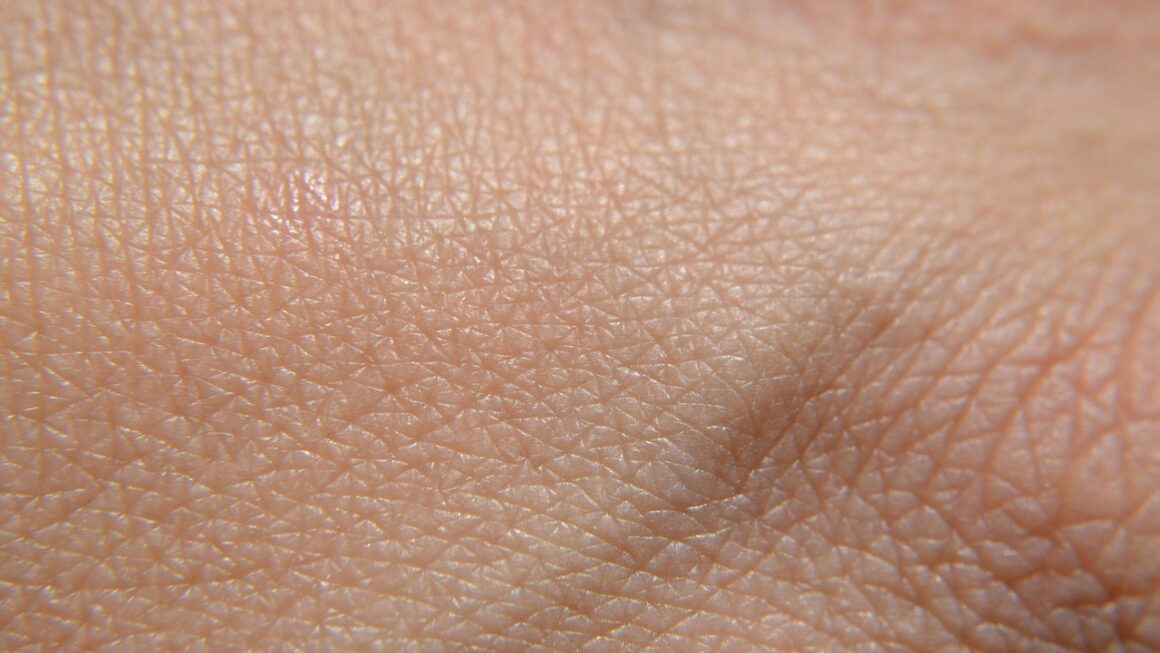
In the vast and ever-evolving landscape of skincare, certain ingredients consistently rise to the top, heralded for their transformative powers. Among these titans, one ingredient reigns supreme for its unparalleled ability to quench thirsty skin and deliver a youthful, dewy glow: hyaluronic acid. Often abbreviated as HA, this remarkable molecule isn’t just a trend; it’s a fundamental component of healthy skin, a hydration hero that promises to revitalize, plump, and protect. If you’ve ever wondered how to achieve that coveted smooth, supple complexion, understanding the science and benefits of hyaluronic acid is your first crucial step.
What is Hyaluronic Acid? The Science Behind the Skincare Buzz
Before diving into its myriad benefits, it’s essential to understand what hyaluronic acid actually is and how it functions. Far from being a harsh acid, HA is a naturally occurring sugar molecule found throughout our body, particularly in our skin, connective tissues, and eyes.
The Molecular Marvel: A Natural Humectant
Hyaluronic acid is a polysaccharide, a complex carbohydrate that plays a critical role in maintaining tissue hydration and structure. In the skin, it acts like a sponge, drawing moisture from the surrounding environment and holding onto it. Our body naturally produces HA, but its levels deplete with age, environmental factors, and lifestyle choices, leading to drier, less elastic skin.
- Naturally Occurring: Found in high concentrations in skin, joints, and eyes.
- Moisture Magnet: Can hold up to 1,000 times its weight in water, making it an extraordinary humectant.
- Key for Skin Health: Supports skin elasticity, hydration, and overall texture.
The Science of Hydration: How HA Works
When applied topically, hyaluronic acid works by attracting moisture from the air and deeper layers of the skin to the skin’s surface. This influx of hydration helps to plump up skin cells, reducing the appearance of fine lines and wrinkles and creating a smoother, more radiant complexion.
- Surface Hydration: Forms a breathable layer on the skin, preventing moisture loss.
- Plumping Effect: Fills the skin with moisture, diminishing the look of dehydration lines.
- Skin Barrier Support: Helps to strengthen the skin’s natural barrier, protecting it from environmental aggressors.
Actionable Takeaway: Understanding HA’s natural role as a powerful humectant highlights why replenishing it topically is crucial for maintaining optimal skin hydration and barrier function as we age.
The Unrivaled Benefits of Hyaluronic Acid for Your Skin
The popularity of hyaluronic acid in skincare isn’t just hype; it’s backed by a wealth of benefits that cater to almost every skin type and concern. Its versatility makes it a cornerstone ingredient in modern dermatological and cosmetic formulations.
Deep Hydration & Moisture Retention
The most celebrated benefit of HA is its exceptional hydrating capability. By infusing the skin with moisture, it transforms dull, dry skin into a dewy, supple canvas.
- Long-lasting Moisture: Unlike heavier creams that might just sit on the surface, HA penetrates to deliver hydration where it’s needed most.
- Improved Skin Texture: Well-hydrated skin appears smoother, softer, and more refined.
- Reduced Trans-Epidermal Water Loss (TEWL): Creates a barrier that helps lock in moisture, crucial for those with dry or compromised skin barriers.
Anti-Aging Powerhouse
While HA doesn’t directly boost collagen production, its hydrating properties significantly contribute to a more youthful appearance by making the skin more resilient and plump.
- Minimizes Fine Lines and Wrinkles: By filling the skin with moisture, HA effectively plumps up the skin, making lines and wrinkles less noticeable.
- Enhances Skin Elasticity: Hydrated skin is more elastic and resilient, helping it bounce back and maintain its firmness.
- Supports a Youthful Glow: A well-hydrated skin barrier reflects light more effectively, giving the skin a healthy, radiant sheen.
Soothing & Healing Properties
Beyond hydration and anti-aging, hyaluronic acid also offers calming benefits, making it suitable even for sensitive or troubled skin.
- Reduces Redness and Irritation: Its gentle nature helps soothe inflamed skin, making it an excellent choice for post-procedure care or conditions like rosacea.
- Aids in Wound Healing: HA plays a role in tissue repair and regeneration, helping to accelerate the healing of minor irritations and blemishes.
- Suitable for Sensitive Skin: Non-comedogenic and rarely causes irritation, making it a universal ingredient.
Enhanced Product Absorption
When your skin is optimally hydrated, it functions better and is more receptive to other active ingredients in your skincare routine.
- Optimizes Skincare Regimen: Well-hydrated skin is a healthier skin barrier, which can better absorb and utilize serums, treatments, and moisturizers that follow.
Actionable Takeaway: Incorporating hyaluronic acid into your daily routine is a multi-faceted approach to achieving deeply hydrated, visibly younger-looking, and more resilient skin.
How to Effectively Incorporate Hyaluronic Acid into Your Routine
To truly unlock the potential of hyaluronic acid, proper application is key. While it’s generally a very forgiving ingredient, a few strategic tips can make all the difference in maximizing its hydrating power.
The Golden Rule: Apply to Damp Skin
This is perhaps the most crucial tip for using hyaluronic acid serums. As a humectant, HA needs moisture to draw from. Applying it to dry skin, especially in very arid environments, might lead it to pull moisture from deeper within your skin, potentially causing dryness.
How to do it:
- After cleansing, gently pat your face, leaving it slightly damp.
- Immediately apply a few drops of your HA serum to your still-damp skin.
- Alternatively, spritz your face with a hydrating toner or facial mist before applying the serum.
Layering for Maximum Impact
The order in which you apply your products matters. HA serums are typically applied early in your routine to prepare the skin for subsequent layers.
- After Cleansing/Toning: Apply HA serum directly after cleansing and toning, while the skin is still damp.
- Before Moisturizer: Always follow your HA serum with a moisturizer or facial oil to seal in the hydration. This creates an occlusive layer that prevents the HA from evaporating and ensures it holds the moisture within your skin.
- Example Routine: Cleanser → Toner/Mist → Hyaluronic Acid Serum → Eye Cream → Moisturizer → SPF (in the morning).
Frequency and Consistency
Hyaluronic acid is gentle enough for daily use, both morning and night, and consistency is key to seeing lasting results.
- Daily Use: Incorporate it into your AM and PM routines for continuous hydration.
- Patience is Key: While you might notice immediate plumping, consistent use over several weeks will lead to more significant improvements in skin texture, elasticity, and overall radiance.
Actionable Takeaway: Always apply hyaluronic acid to damp skin and follow with an occlusive moisturizer to trap moisture, ensuring optimal hydration and preventing potential dryness.
Choosing the Right Hyaluronic Acid Product: A Buyer’s Guide
With an abundance of hyaluronic acid products on the market, selecting the right one can feel daunting. Understanding different formulations and ingredients will help you make an informed decision tailored to your skin’s needs.
Understanding Molecular Weights
Hyaluronic acid comes in various molecular weights, which dictate how deeply it penetrates the skin and what benefits it provides.
- High Molecular Weight HA:
- Forms a film on the skin’s surface.
- Provides immediate, superficial hydration and reduces TEWL.
- Excellent for a quick plumping effect and barrier protection.
- Low Molecular Weight HA (Hydrolyzed HA, Sodium Hyaluronate):
- Smaller molecules penetrate deeper into the skin.
- Offers longer-term hydration and anti-aging benefits.
- Can stimulate the skin’s own HA production.
- Optimal Products: Many effective HA serums contain a blend of different molecular weights to provide comprehensive hydration at multiple skin levels.
Formulations: Serums, Moisturizers, Masks, and More
Hyaluronic acid is found in almost every product category, but its concentration and effectiveness vary.
- Serums (Most Effective): Generally contain the highest concentration of HA, designed for targeted hydration and deeper penetration. Ideal as the primary source of HA in your routine.
- Moisturizers: Excellent for sealing in HA, often combined with emollients and occlusives for comprehensive hydration and barrier support.
- Sheet Masks: Provide an intensive, temporary boost of hydration, great for special occasions or when your skin needs extra TLC.
- Eye Creams: Specifically formulated for the delicate under-eye area, targeting fine lines and dryness.
- Cleansers/Toners: While they might contain HA, its benefits are limited as these products are rinsed off or only provide fleeting contact.
Key Ingredients to Look For (and Avoid)
Look for formulations that complement HA and support overall skin health.
- Look For:
- Sodium Hyaluronate: A salt form of HA, more stable and smaller in molecular size, allowing for better absorption.
- Hydrolyzed Hyaluronic Acid: HA broken down into smaller fragments for deeper penetration.
- Sodium Acetylated Hyaluronate: A derivative with improved water retention and skin affinity.
- Glycerin: Another potent humectant that works synergistically with HA.
- Vitamin B5 (Panthenol): Soothes and heals the skin barrier.
- Ceramides: Essential lipids that fortify the skin barrier and lock in moisture.
- Avoid (in high concentrations if you have dry/sensitive skin):
- Denatured Alcohol: Can be drying and irritating, though some well-formulated products may contain it in lower, non-detrimental amounts.
Actionable Takeaway: Prioritize HA serums with a blend of molecular weights and supportive ingredients, and choose formulations that align with your skin’s specific needs and your routine’s layering sequence.
Beyond Skincare: Other Uses and Considerations
While topical hyaluronic acid has garnered significant attention in the beauty industry, its applications extend far beyond the realm of skincare, showcasing its remarkable versatility and biological importance.
Medical Applications
Hyaluronic acid’s lubricating and cushioning properties make it invaluable in various medical fields.
- Osteoarthritis Treatment: HA injections (viscosupplementation) are commonly used to relieve joint pain and improve mobility in patients with knee osteoarthritis, by replenishing the synovial fluid that lubricates joints.
- Ophthalmic Surgery: Used in eye drops and during cataract surgery to protect delicate eye tissues and maintain hydration.
- Dermal Fillers: Injectable HA fillers are widely used in cosmetic dermatology to restore volume, smooth wrinkles, and enhance facial contours, providing immediate and long-lasting results.
- Wound Healing: Used in certain wound dressings due to its role in tissue regeneration and inflammation reduction.
Oral Supplements
The market for oral hyaluronic acid supplements has grown, with claims of benefits for joint health, eye hydration, and even skin moisture from within.
- Joint Health: Many take oral HA to support cartilage health and reduce joint stiffness.
- Skin Hydration: Some studies suggest oral HA can improve skin hydration and elasticity, though more extensive research is ongoing.
- Consult Your Doctor: As with any supplement, it’s crucial to consult a healthcare professional before incorporating oral HA into your regimen, especially if you have underlying health conditions or are pregnant/breastfeeding.
Potential Side Effects and When to Be Cautious
Hyaluronic acid is generally very well-tolerated and considered safe for most individuals, even those with sensitive skin. However, a few considerations are worth noting:
- Rare Allergic Reactions: Though uncommon, some individuals may experience mild irritation, redness, or itching. Discontinue use if persistent irritation occurs.
- Dry Environments: As mentioned, if applied in extremely dry climates without an occlusive layer to seal it in, HA can potentially draw moisture from the deeper layers of your skin, leading to a feeling of dryness. Always apply to damp skin and follow with a moisturizer.
- Medical Procedures: For injectable HA fillers, side effects can include temporary swelling, bruising, or redness at the injection site. Serious complications are rare but can occur with improper technique. Always choose a qualified and experienced practitioner.
Actionable Takeaway: While HA’s benefits extend to medical and supplemental uses, always consult with a healthcare professional before trying internal applications or medical procedures, and ensure proper topical application to maximize benefits and avoid potential dryness.
Conclusion
Hyaluronic acid stands as a true powerhouse in the world of skincare and beyond. Its remarkable ability to attract and hold vast amounts of moisture makes it an indispensable ingredient for anyone seeking to achieve deeply hydrated, plump, and youthful-looking skin. From smoothing fine lines and enhancing elasticity to soothing irritation and supporting the skin’s natural barrier, the benefits of incorporating HA into your routine are undeniable. By understanding its science, applying it correctly, and choosing the right products, you can unlock the full potential of this hydration hero. Embrace the magic of hyaluronic acid, and get ready to reveal a complexion that truly glows with health and vitality.