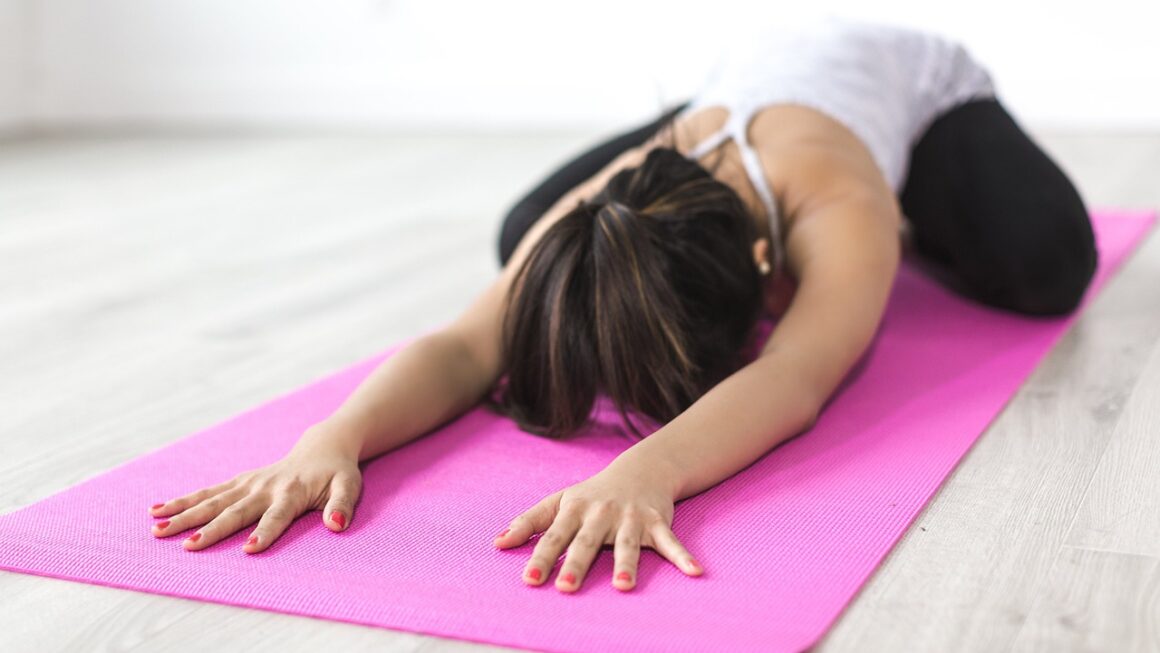
In the vast landscape of yoga and daily stretching, few poses are as universally recognized and profoundly beneficial as the forward fold. From seasoned yogis to individuals simply looking to touch their toes, this fundamental posture, often known as Uttanasana in Sanskrit, offers a potent blend of physical release and mental calm. It’s more than just bending at the waist; it’s an invitation to lengthen, decompress, and surrender, providing a gateway to improved flexibility, stress reduction, and a deeper connection with your body. Let’s unfold the layers of this essential pose and discover how to incorporate its immense power into your wellness routine.
## Unfolding the Essence of Forward Fold: What Exactly Is It?
The forward fold is a foundational yoga pose and a staple in many stretching routines. At its core, it involves bending from the hips with a long spine, allowing the upper body to release towards the legs. While seemingly simple, its execution and benefits are deeply nuanced.
### Defining the Pose: More Than Just Bending Over
A forward fold is characterized by the flexion of the hip joint, bringing the torso closer to the thighs. The goal isn’t necessarily to touch your toes or the floor, but rather to create length through the spine and a gentle stretch along the back of the legs. There are several popular variations:
-
Standing Forward Fold (Uttanasana): This is perhaps the most common form, performed from a standing position. It stretches the hamstrings, calves, and hips while strengthening the thighs and knees. It also helps to calm the brain and relieve stress.
-
Seated Forward Fold (Paschimottanasana): Practiced from a seated position with legs extended straight forward. This variation focuses more intensely on the hamstrings and lower back, often encouraging a deeper sense of introspection and relaxation.
-
Half Forward Fold (Ardha Uttanasana): Often used as a transition or a preparatory pose, this involves lifting the torso halfway up, lengthening the spine parallel to the floor. It’s excellent for finding length in the spine before a deeper fold and for strengthening the back muscles.
### The Philosophy Behind the Fold
Beyond the physical stretch, the forward fold embodies several profound principles often explored in yoga practice:
-
Introspection: Turning inward, folding your body in on itself, symbolizes a withdrawal from external distractions, inviting a moment of self-reflection and inner focus.
-
Surrender: Allowing gravity to assist in the release, rather than forcing the stretch, teaches patience and the art of letting go. It encourages surrendering tension, both physical and mental.
-
Grounding: Connecting the upper body to the lower body, and ultimately the hands or head to the earth, promotes a feeling of stability and being rooted, which can be particularly calming in stressful times.
## A Symphony of Benefits: Why You Should Embrace the Fold
The forward fold is a powerhouse of benefits, impacting both your physical body and your mental well-being. Regular practice can lead to remarkable improvements in flexibility, posture, and mood.
### Physical Rewards: Strengthening & Stretching
Incorporating forward folds into your routine provides a comprehensive stretch and gentle strengthening for many parts of the body:
-
Deep Hamstring Stretch: This is arguably the most well-known benefit. Tight hamstrings are common due to prolonged sitting and can contribute to lower back pain. Forward folds lengthen these crucial muscles, improving flexibility and alleviating tension.
-
Spinal Decompression: Allowing the head to hang heavy gently elongates the spine, creating space between the vertebrae. This can relieve compression in the back, ease mild backaches, and improve overall spinal health.
-
Strengthens Thighs and Knees: While primarily a stretch, the engagement required to maintain the pose (especially when returning to standing) helps strengthen the quadriceps and stabilize the knee joints.
-
Calms the Nervous System: Inversion, even a mild one like a forward fold where the head is below the heart, can activate the parasympathetic nervous system. This helps reduce heart rate, lower blood pressure, and ease stress.
-
Improves Digestion: The gentle compression of the abdominal organs can stimulate digestion and relieve symptoms like constipation or indigestion. It’s like a soft internal massage.
### Mental & Emotional Upliftment: Finding Inner Peace
Beyond the physical, the forward fold offers significant mental and emotional benefits:
-
Stress and Anxiety Reduction: By calming the nervous system and encouraging introspection, forward folds are excellent for reducing feelings of stress, anxiety, and even mild depression. Holding the pose for a minute or two can be incredibly therapeutic.
-
Increased Blood Flow to the Brain: The inversion aspect directs fresh, oxygenated blood to the brain, which can improve cognitive function, enhance memory, and boost overall mental clarity and energy.
-
Grounding and Centering: The downward nature of the pose helps you feel more connected to the earth, fostering a sense of stability and presence. This can be especially beneficial when feeling overwhelmed or scattered.
## Mastering the Art: How to Practice Forward Fold Safely and Effectively
Proper alignment is key to unlocking the full benefits of the forward fold while preventing injury. Remember to always listen to your body and never force a stretch.
### Step-by-Step Guide for Standing Forward Fold (Uttanasana)
-
Start in Mountain Pose (Tadasana): Stand tall with your feet hip-width apart, parallel to each other. Distribute your weight evenly through both feet. Engage your core gently.
-
Inhale and Lengthen: Take a deep breath in, drawing your shoulders back and down, feeling your spine grow long.
-
Exhale and Fold: Initiate the fold from your hips, not your waist. Imagine hinging forward over your legs. Keep a long, straight spine as you descend. Avoid rounding your back initially.
-
Hand Placement: As you fold, bring your hands to your shins, ankles, or the floor beside your feet. If your hamstrings are tight, a generous bend in the knees is perfectly acceptable and highly recommended.
-
Engage and Release: Actively lift your sit bones towards the ceiling to deepen the hamstring stretch. Allow your head to hang heavy, releasing tension in your neck and shoulders.
-
Hold and Breathe: Hold the pose for 5-10 breaths, allowing gravity to gently draw you deeper with each exhale. Focus on sending your breath to any areas of tension.
-
To Come Up: Inhale, place your hands on your hips, and with a strong core and long spine, slowly rise back to standing. Alternatively, roll up one vertebra at a time if that feels better for your back.
### Essential Modifications for All Levels
The beauty of forward fold lies in its adaptability. Here are ways to make it accessible and comfortable for everyone:
-
Bend Your Knees Generously: This is the most crucial modification. Bending your knees allows you to maintain a long spine and fold from the hips, rather than rounding your back. It prioritizes spinal health over hamstring depth.
-
Use Props:
-
Blocks: Place yoga blocks under your hands if you can’t reach the floor comfortably. This helps maintain a long spine and provides support.
-
Chair: For a less intense stretch, fold over the back of a chair, keeping your hands on the seat or back for support.
-
Wall: Stand facing a wall, place your hands on it at hip height, and walk your feet back until your torso is parallel to the floor. This provides a gentle back stretch.
-
-
Halfway Lift (Ardha Uttanasana): If a full fold feels too intense, practice lifting halfway, hands on shins, keeping your back flat and long. This builds strength and prepares your body for deeper folds.
## Navigating the Pitfalls: Common Mistakes and How to Avoid Them
While the forward fold is beneficial, incorrect alignment can lead to strain or discomfort. Awareness of common mistakes can help you refine your practice and maximize its positive effects.
### Rounding the Back vs. Lengthening the Spine
One of the most frequent errors is collapsing into the lower back instead of hinging from the hips.
-
The Mistake: Curving the spine significantly, especially in the lumbar region, often happens when hamstrings are tight, and one tries to reach the floor at all costs. This puts undue pressure on the spinal discs.
-
The Fix: Prioritize a long, straight spine. Imagine your torso as one unit, folding forward like a book closing. Bending your knees generously is the key to achieving this. If your back starts to round, bend your knees more or lift your torso slightly until your spine is neutral.
### Hyperextending Knees vs. Soft Engagement
Locking the knees can put strain on the joint and limit the stretch in the hamstrings.
-
The Mistake: Pushing the backs of the knees too far back, creating a locked sensation or even pain. This often prevents the hamstrings from fully releasing.
-
The Fix: Maintain a micro-bend in your knees. This slight softness protects the knee joint and allows the hamstring stretch to originate higher up in the muscle belly, where it’s most effective. Actively engage your quadriceps (thigh muscles) to lift your kneecaps gently, which further protects the knees.
### Forcing the Stretch vs. Listening to Your Body
Pushing too hard too quickly is a recipe for injury, not progress.
-
The Mistake: Trying to go as deep as possible immediately, using momentum, or feeling sharp pain. This can strain muscles, ligaments, and tendons.
-
The Fix: Approach the forward fold with patience and awareness. Go only as deep as your body allows without pain. A mild, comfortable stretch is the goal, not intense discomfort. Use your breath to guide you, deepening slightly on exhales and easing off on inhales if needed. Consistent, gentle practice over time will yield greater flexibility than aggressive, sporadic attempts.
## Integrating Forward Fold: A Versatile Tool for Your Wellness Journey
The forward fold is incredibly versatile and can be seamlessly woven into various aspects of your daily life, offering benefits beyond the traditional yoga studio.
### In Your Yoga Practice
Forward folds are cornerstones of many yoga sequences, serving multiple purposes:
-
Warm-up: Gentle forward folds are excellent for slowly awakening the hamstrings and spine at the beginning of a practice. Starting with bent knees and a half-lift can prepare the body for deeper stretches.
-
Transition: Uttanasana often acts as a transition pose, connecting movements like Sun Salutations, allowing for a moment of pause and grounding between more dynamic postures.
-
Cool-down: Holding a forward fold at the end of a practice helps to lengthen muscles that may have contracted during active poses, promoting relaxation and preparing the body for rest. It’s a perfect way to release residual tension.
### Beyond the Mat: Everyday Stretching and Stress Relief
You don’t need a yoga mat or a full practice to enjoy the benefits of a forward fold:
-
Desk Breaks: If you spend hours sitting, a quick standing forward fold can be a game-changer. Step away from your desk, hinge forward, let your head hang, and take a few deep breaths. This can counteract the effects of prolonged sitting, relieve neck and shoulder tension, and re-energize your mind.
-
Post-Workout: After running, cycling, or any leg-intensive exercise, a forward fold is an ideal way to stretch out your hamstrings and calves, promoting faster recovery and reducing muscle soreness. Aim for a gentle, static hold.
-
Before Bed: A few minutes of gentle forward folding (perhaps seated on the bed with legs extended) can signal to your body and mind that it’s time to wind down. The calming effect helps release tension built up during the day, preparing you for a more restful sleep.
## Conclusion
The forward fold, or Uttanasana, is far more than a simple stretch; it’s a powerful and accessible posture that offers a wealth of physical, mental, and emotional benefits. From lengthening tight hamstrings and decompressing the spine to calming the nervous system and fostering introspection, its versatility makes it an indispensable tool for anyone seeking improved wellness. By understanding its proper execution, embracing modifications, and avoiding common pitfalls, you can unlock the full potential of this incredible pose. So, whether you’re a seasoned yogi or simply looking for a moment of peace and release, take a deep breath, hinge from your hips, and surrender to the profound benefits of the forward fold.