From ancient empires to modern financial markets, gold has held an unparalleled mystique and value. This lustrous precious metal, synonymous with wealth, power, and beauty, transcends cultures and generations, consistently capturing the human imagination. Whether gleaming as intricate jewelry, serving as a critical component in advanced technology, or acting as a bedrock investment during economic uncertainty, gold’s multifaceted role in our world is undeniable. Join us as we delve into the enduring allure of gold, exploring its history, investment potential, practical applications, and the factors that shape its global significance.
The Enduring Allure of Gold: A Historical Perspective
Gold’s journey through human history is a testament to its intrinsic value and universal appeal. For millennia, its scarcity, unique luster, and resistance to corrosion have cemented its status as more than just a metal – it’s a symbol.
Ancient Civilizations and Gold
From the pharaohs of Egypt to the Incas of South America, gold was often associated with divinity and royalty. It adorned gods, kings, and temples, signifying status and spiritual power. Examples include:
- Egyptian Pharaohs: Gold was used extensively in burial masks (like Tutankhamun’s), sarcophagi, and elaborate jewelry, believed to ensure eternal life.
- Roman Empire: Gold coinage facilitated trade and showcased the empire’s might, reflecting economic prosperity and stability.
- Mesoamerican Cultures: Civilizations like the Aztecs and Incas crafted intricate ceremonial objects and ornaments from gold, often associating it with the sun god.
These historical precedents underscore gold’s long-standing role as a store of value and a powerful cultural artifact.
Gold as a Medium of Exchange
Before the advent of fiat currencies, gold served as a primary medium of exchange. Its consistent purity and easy divisibility made it ideal for transactions. The gold standard, a monetary system where a country’s currency or paper money has a value directly linked to gold, prevailed for centuries, offering stability and trust in financial systems. While most countries have moved away from the gold standard, its legacy continues to influence perceptions of monetary value and stability.
Modern Significance and Cultural Impact
Today, gold remains a potent symbol of wealth, success, and celebration. It is gifted at milestones, worn as a daily adornment, and continues to be a central theme in popular culture. Its cultural resonance ensures its demand, providing a baseline for its market value.
Gold as an Investment: Why Investors Turn to the Yellow Metal
In the complex world of finance, gold stands out as a unique and often indispensable asset. Its reputation as a safe-haven asset has been earned through centuries of market fluctuations and economic upheaval.
Safe-Haven Asset Status
One of gold’s most compelling attributes is its role as a “safe-haven” asset. During periods of economic uncertainty, geopolitical instability, or market downturns, investors often flock to gold, perceiving it as a reliable store of value when other assets falter. For instance, during the 2008 financial crisis, while stock markets plummeted, gold prices surged as investors sought refuge.
Inflation Hedge
Gold is widely considered an effective hedge against inflation. When the cost of living rises and the purchasing power of fiat currencies declines, gold tends to maintain or even increase its value. This is because gold’s supply is finite, and it’s not subject to the same inflationary pressures as paper money, which can be printed in unlimited quantities. Over the long term, gold has historically preserved wealth against erosive inflation.
Diversification Benefits
Adding gold to an investment portfolio can significantly enhance diversification. Gold often exhibits a low or negative correlation with traditional assets like stocks and bonds. This means that when stocks and bonds perform poorly, gold might perform well, helping to smooth out portfolio returns and reduce overall risk. A well-diversified portfolio often includes a percentage of precious metals like gold to balance market volatility.
How to Invest in Gold
Investing in gold offers several avenues, each with its own benefits and considerations:
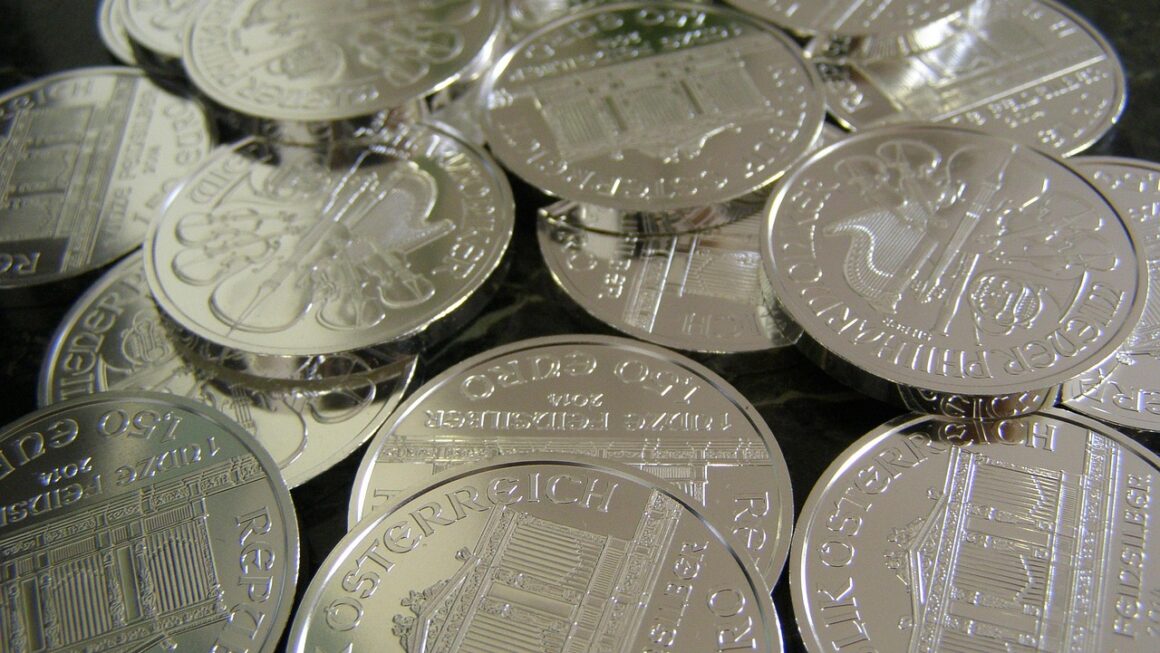
- Physical Gold: This includes gold bars, coins (e.g., American Gold Eagles, Canadian Maple Leafs, Krugerrands), and jewelry.
- Pros: Tangible asset, direct ownership, no counterparty risk.
- Cons: Storage costs, insurance needs, potential for higher premiums.
- Gold Exchange-Traded Funds (ETFs): These funds track the price of gold and are traded like stocks on exchanges. They typically hold physical gold or gold futures contracts.
- Pros: Easy to buy and sell, no storage concerns, typically lower premiums than physical gold.
- Cons: No direct ownership of physical gold, management fees, potential counterparty risk (depending on the fund’s structure).
- Gold Mining Stocks: Investing in companies that mine for gold.
- Pros: Potential for leveraged gains if gold prices rise, dividend income.
- Cons: Exposed to company-specific risks (e.g., management issues, operational disruptions, geopolitical risks where mines are located) in addition to gold price volatility.
- Gold Futures and Options: For experienced investors, these derivatives allow speculation on future gold prices.
- Pros: High leverage, potential for significant gains.
- Cons: High risk, complex instruments, not suitable for most retail investors.
Practical Tip: When buying physical gold, always purchase from reputable dealers to ensure authenticity and fair pricing. Look for internationally recognized bullion coins or bars with assay certificates.
Example: Popular gold ETFs include GLD (SPDR Gold Shares) and IAU (iShares Gold Trust).
Understanding Gold Purity and Measurement
To accurately assess the value of gold, it’s crucial to understand how its purity and weight are measured. These standards ensure consistency and fair trade in the global gold market.
Karat: A Measure of Purity
Gold purity is expressed in karats (K). This system indicates the proportion of pure gold in an alloy, with 24 karats representing 100% pure gold. The lower the karat number, the less pure gold is present, often mixed with other metals like copper, silver, or zinc to enhance durability or alter color.
- 24K Gold: 99.9% pure gold. It’s highly prized but very soft, making it less suitable for everyday jewelry.
- 22K Gold: 91.6% pure gold (22 parts gold, 2 parts other metals). Commonly used in traditional jewelry in many parts of the world due to its balance of purity and strength.
- 18K Gold: 75% pure gold (18 parts gold, 6 parts other metals). A popular choice for fine jewelry, offering good durability while retaining significant gold content.
- 14K Gold: 58.3% pure gold (14 parts gold, 10 parts other metals). A common standard in Western jewelry, offering excellent durability for daily wear.
Practical Example: A necklace stamped “18K” means 75% of its weight is pure gold. This stamp is an important indicator of its intrinsic value.
Troy Ounce: Standard Weight
The standard unit of measurement for precious metals like gold, silver, and platinum in the international market is the troy ounce (t oz). One troy ounce is approximately 31.1035 grams, which is slightly heavier than a standard avoirdupois ounce (28.35 grams).
- Most gold bullion coins (e.g., American Gold Eagle) are minted in troy ounces or fractions thereof.
- Global gold prices are almost universally quoted per troy ounce.
Actionable Takeaway: When comparing gold prices or purchasing gold, always verify that the quoted price refers to a troy ounce to avoid confusion with standard ounces.
Understanding Gold Pricing
The price of gold is dynamic and influenced by numerous global factors, but it’s always quoted per troy ounce of 24K gold. Any variations in purity for jewelry or other items will be priced as a fraction of this benchmark. For instance, if 24K gold is $2,000 per troy ounce, 18K gold of the same weight would be valued at 75% of that price, or $1,500.
Beyond Investment: The Diverse Applications of Gold
While its investment appeal is significant, gold’s utility extends far beyond financial portfolios. Its unique properties make it indispensable in various industries and everyday products.
Jewelry and Adornment
Historically and presently, jewelry accounts for the largest share of gold demand. Its malleability, ductility, luster, and resistance to tarnish make it the perfect metal for crafting exquisite pieces. From delicate earrings to elaborate engagement rings, gold jewelry remains a timeless symbol of beauty, love, and status. Its ability to be alloyed with other metals also allows for a range of colors, including popular white gold (gold alloyed with palladium or nickel) and rose gold (gold alloyed with copper).
Industrial and Technological Uses
Gold’s superior electrical conductivity, corrosion resistance, and malleability make it crucial in cutting-edge technology. Despite its high cost, its reliability in critical applications is unmatched.
- Electronics: Gold is used in connectors, switch contacts, and bonding wires in computers, smartphones, and other electronic devices. Its ability to conduct electricity without corroding ensures long-term performance and reliability in tiny components.
- Aerospace: Gold is used in spacecraft to protect sensitive components from radiation and heat, and in lubrication for mechanical parts that operate in vacuum conditions.
- Dentistry: Gold alloys have been used for fillings, crowns, and bridges for centuries due to their biocompatibility, strength, and resistance to corrosion and tarnish in the mouth.
- Medical Devices: Small amounts of gold are used in medical implants, diagnostic equipment, and surgical instruments.
Did You Know? A typical smartphone contains about 50 milligrams of gold, valued at around $3-$5. While small individually, cumulatively this represents a significant industrial demand for gold.
Medical and Dental Applications
Gold’s inertness means it doesn’t react with the body’s tissues, making it an excellent material for medical applications. Beyond dentistry, gold nanoparticles are being researched for targeted drug delivery and cancer treatment due to their unique optical and electrical properties.
Navigating the Gold Market: Factors Influencing Price
The price of gold is not static; it’s a dynamic reflection of a complex interplay of global economic, political, and social factors. Understanding these drivers is key to comprehending gold’s market movements.
Economic Indicators
Major economic data releases significantly influence gold prices. Key indicators include:
- Interest Rates: Higher interest rates (especially real interest rates) typically make non-yielding assets like gold less attractive, as investors can get better returns from bonds or savings. Conversely, low or negative real interest rates tend to support gold prices.
- Inflation Data: As discussed, strong inflation often boosts gold prices as investors seek to protect their purchasing power.
- Economic Growth: Strong economic growth and a bullish stock market can sometimes detract from gold’s appeal, as investors favor riskier assets. However, during recessions or slowdowns, gold typically shines.
- Strength of the U.S. Dollar: Since gold is typically priced in U.S. dollars, a weaker dollar makes gold cheaper for buyers using other currencies, potentially increasing demand and pushing prices up. A stronger dollar has the opposite effect.
Geopolitical Events
Global instability, conflicts, and political uncertainties often trigger a “flight to safety,” where investors seek refuge in gold. Examples include:
- Wars or military conflicts (e.g., the Russia-Ukraine war saw gold prices surge).
- Major political crises or elections with uncertain outcomes.
- Terrorist attacks or widespread social unrest.
These events create an environment of fear and uncertainty, increasing gold’s appeal as a dependable asset.
Supply and Demand Dynamics
Like any commodity, gold prices are fundamentally influenced by its supply and demand balance.
- Supply: Primarily driven by new mine production, recycling of existing gold, and central bank sales. Mine output can be affected by operational costs, labor disputes, and environmental regulations.
- Demand: Comes from various sectors:
- Jewelry: The largest component, influenced by cultural trends, disposable income, and festivals (e.g., Diwali in India, Chinese New Year).
- Investment: Demand for physical gold, ETFs, and other gold-backed products.
- Central Banks: Many central banks hold gold as part of their foreign reserves, and their buying or selling activities can significantly impact the market.
- Technology/Industrial: Demand from electronics, dentistry, and other industrial applications.
Currency Fluctuations
As the primary reserve currency, the U.S. dollar has a particularly strong inverse relationship with gold. When the dollar weakens, gold tends to strengthen, and vice versa. This is because gold becomes relatively cheaper for international buyers when the dollar is weaker, stimulating demand.
Actionable Takeaway: Investors should monitor global economic calendars, geopolitical news, and central bank policies (especially regarding interest rates) to better anticipate potential movements in gold prices.
Conclusion
Gold’s journey from ancient artifact to modern financial staple is a testament to its intrinsic and enduring value. As a precious metal, it captivates with its beauty and rarity; as an investment, it offers a crucial hedge against uncertainty and inflation; and as an industrial material, it enables the very technology that shapes our future. Its multifaceted nature ensures that gold will continue to play a vital role in our global economy and culture for generations to come. Whether you’re considering gold for its aesthetic appeal, its investment potential, or simply appreciating its historical significance, understanding the depth of its influence is key to recognizing why this gleaming metal truly stands the test of time.