In the vast universe of yoga asanas, few poses command as much recognition and respect as Downward-Facing Dog, or Adho Mukha Svanasana. It’s often the first pose many beginners learn and a familiar resting place for seasoned practitioners, serving as a cornerstone in countless yoga sequences. More than just a transition, Downward Dog is a powerful, full-body experience that simultaneously strengthens, stretches, and calms, offering a profound array of physical and mental benefits. Let’s delve into what makes this iconic pose an essential element of a holistic yoga practice and how you can unlock its full potential.
The Iconic Pose: What is Downward Dog?
Downward-Facing Dog, known in Sanskrit as Adho Mukha Svanasana, is one of the most recognizable and fundamental postures in modern yoga. Its name literally translates to “Downward-Facing Dog Pose,” an apt description given its resemblance to a dog stretching after a nap. This inverted V-shape posture is a beautiful blend of strength, flexibility, and mindfulness, making it a staple in virtually every yoga style, from Vinyasa to Hatha and Ashtanga.
Decoding Adho Mukha Svanasana
- Adho: Downward
- Mukha: Face
- Svana: Dog
- Asana: Pose
The pose grounds practitioners through their hands and feet, lifting the hips towards the sky, creating a long, inverted line from wrists to hips and hips to heels. It’s more than just a stretch; it’s an active engagement of the entire body, preparing it for deeper exploration or serving as a restorative pause.
A Historical & Foundational Perspective
While Downward Dog feels ancient, its widespread popularity in the West is largely attributed to the modern Hatha yoga lineage. It’s considered a foundational pose because it integrates elements of many other poses: arm balance, inversion, forward fold, and back extension preparation. Mastering its alignment is key to unlocking other challenging postures and building a sustainable yoga practice.
Unlocking the Benefits: Why Practice Downward Dog?
The widespread appeal of Downward Dog isn’t just due to its aesthetic or accessibility; it’s profoundly beneficial for both body and mind. Regular practice of this pose can lead to remarkable improvements in physical health, mental clarity, and overall well-being.
Physical Empowerment: Strength & Flexibility
Downward Dog is a master class in simultaneous strengthening and stretching, engaging numerous muscle groups across the body.
- Full Body Strength: Actively engages and strengthens the arms, shoulders, core, quadriceps, and ankles. It’s a fantastic way to build upper body endurance without traditional weights.
- Deep Stretching: Provides an intense and beneficial stretch for the hamstrings, calves, shoulders, and spine. This helps to alleviate tension often stored in these areas, especially for those who spend long hours sitting.
- Spinal Decompression: The inversion aspect, combined with the gentle traction created by pressing through the hands and lifting the hips, helps to lengthen and decompress the spine. This can relieve back pain and improve posture.
- Improved Circulation: As a mild inversion, it helps to reverse the flow of blood, bringing fresh oxygenated blood to the brain and refreshing the cells throughout the body.
- Bone Health: Weight-bearing through the hands and feet can contribute to stronger bones and help prevent osteoporosis over time.
Mental & Energetic Harmony
Beyond the physical, Downward Dog offers significant mental and energetic benefits, making it a true mind-body experience.
- Stress Reduction: The inversion and forward fold aspects are inherently calming. It helps to quiet the nervous system, reducing anxiety and promoting a sense of peace.
- Energizing & Refreshing: Despite its calming effect, the pose also invigorates the body and mind. By increasing blood flow to the brain, it can boost energy levels, sharpen focus, and alleviate fatigue.
- Enhanced Awareness: Holding the pose requires focus on breath and body alignment, cultivating mindfulness and present moment awareness, which are central tenets of yoga.
- Better Sleep: Regular practice can help regulate the sleep cycle, leading to more restful and restorative sleep.
Mastering the Alignment: A Step-by-Step Guide
Achieving proper alignment in Downward Dog is crucial for maximizing its benefits and preventing injury. While it may look simple, there are subtle nuances that can transform the pose from a mere stretch into a powerful energetic experience. Here’s how to cultivate your best Downward Dog:
Setting the Foundation
Start on your hands and knees in a tabletop position. This is your initial reference point for proper hand and foot placement.
- Hand Placement: Spread your fingers wide, pressing firmly through your palms and the base of your fingers (the “L-shape” between thumb and index finger). Your wrists should be approximately shoulder-width apart, and your middle fingers pointing straight forward.
- Knee & Foot Placement: Your knees should be directly under your hips, hip-width apart. Curl your toes under, preparing to lift your hips.
- Initiating the Lift: On an exhalation, press down through your hands and feet, lifting your hips high towards the sky.
Refining Your Form
Once you’ve lifted your hips, focus on these key alignment cues:
- Create Length: Imagine a straight line from your wrists up through your shoulders and spine to your hips. Actively press away from the floor with your hands, lengthening your arms and drawing your shoulder blades down your back.
- Open the Chest: Allow your chest to melt slightly towards your thighs, keeping your spine long and straight. Avoid rounding your upper back.
- Engage Your Core: Draw your navel gently towards your spine to support your lower back and maintain stability.
- Leg Position: While the ultimate goal is straight legs and heels on the floor, it’s more important to maintain a long spine. If your hamstrings are tight, bend your knees generously. This allows you to tilt your pelvis forward and lengthen your spine without strain.
- Heels Grounding: If your hamstrings allow, gradually work towards straightening your legs and rooting your heels towards the mat. It’s okay if they don’t touch; the intention is key.
- Head & Neck: Relax your head and neck, allowing it to hang freely between your arms. Your gaze can be towards your navel or thighs.
Practical Tip: Think of Downward Dog as an extension of your spine, not just a hamstring stretch. Prioritize spinal length over perfectly straight legs.
Common Alignment Mistakes to Avoid
- Rounded Back: Often occurs when hamstrings are too tight and knees are not bent enough. Bend your knees more to lengthen the spine.
- Sinking Shoulders: Avoid letting your chest collapse towards the floor between your shoulders. Actively press through your hands to keep your shoulders strong and stable.
- Hyperextended Elbows: If your elbows lock, micro-bend them slightly to protect the joints.
- Wrist Pain: Ensure you’re distributing weight evenly through your entire hand, particularly pressing into the base of your fingers, not just the heel of your hand.
Enhancing Your Practice: Variations & Modifications
One of the beauties of Downward Dog is its adaptability. Whether you’re a complete beginner, managing an injury, or looking to deepen your practice, there are numerous ways to modify and vary the pose to suit your individual needs.
Making it Accessible: Modifications for Every Body
These modifications help build strength, improve flexibility, and ensure comfort for everyone.
- Generously Bent Knees: This is the most common and beneficial modification for tight hamstrings. Bending your knees allows you to achieve a longer, straighter spine, which is paramount.
- Heels Lifted: Don’t force your heels to the floor if it rounds your back. Keeping them lifted allows for better spinal alignment and hamstring safety.
- Wider Stance: Placing your hands or feet wider than hip-width can provide more stability and space, especially if you have broader shoulders or tight hips.
- Using a Wall: For wrist sensitivity or extreme tightness, practice a modified Downward Dog with your hands on a wall, walking your feet back until your body forms an L-shape.
- Forearm Downward Dog: For wrist relief, you can lower onto your forearms, pressing through your elbows and forearms as you lift your hips. This is also a preparation for Dolphin Pose.
Actionable Takeaway: Listen to your body. There’s no shame in modifying; it’s a sign of intelligent practice and self-care.
Deepening Your Practice: Advanced Variations
Once you’re comfortable with the basic form, these variations can add challenge and explore new dimensions of the pose.
- One-Legged Downward Dog (Eka Pada Adho Mukha Svanasana): From Downward Dog, lift one leg high towards the sky, keeping your hips squared or optionally opening them for a deeper hip stretch. This adds a core challenge and intense hamstring stretch.
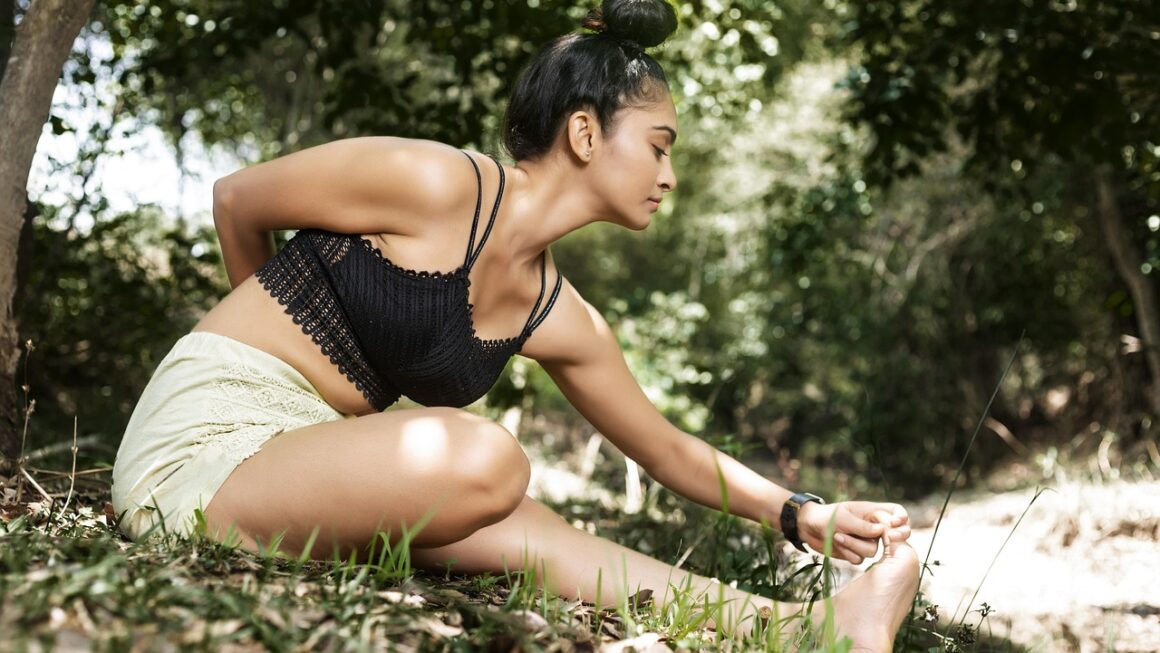
- Twisted Downward Dog: Reach one hand back to grasp the opposite ankle or shin, looking under your armpit. This adds a gentle spinal twist.
- Puppy Dog Pose (Uttana Shishosana): While not strictly a variation of Downward Dog, it’s a related pose often used as a preparation or alternative. From tabletop, walk your hands forward, keeping hips over knees, and melt your chest towards the floor. Great for shoulder and upper back opening.
- Downward Dog Splits: From One-Legged Downward Dog, further open the hip of the lifted leg, bending the knee and stacking the hips.
Integrating Downward Dog into Your Routine
Downward Dog is not just a pose; it’s a versatile tool that can be woven into various parts of your yoga practice and daily routine. Its adaptability makes it suitable for numerous contexts.
As a Standalone Recharge
Even if you don’t have time for a full yoga class, a few minutes in Downward Dog can be incredibly beneficial:
- Morning Wake-Up: A few breaths in Downward Dog can energize your body and mind, gently stretching out stiffness from sleep and improving blood flow.
- Mid-Day Reset: If you work a desk job, stepping away for 2-3 minutes to practice Downward Dog can alleviate back and shoulder tension, improve posture, and provide a mental break.
- Pre/Post Workout Stretch: Incorporate it as a warm-up to lengthen hamstrings and shoulders, or as a cool-down to release tension after other physical activities.
Seamlessly in Your Yoga Flow
Downward Dog serves as a central hub in most Vinyasa and flow-based yoga classes.
- Transition Pose: It connects sequences, moving from Sun Salutations to standing poses, arm balances, and inversions. It’s a resting pose that is also active.
- Preparation for Inversions: The pose builds upper body strength and familiarizes the body with inversion, making it a stepping stone for handstands, headstands, and forearm stands.
- Mindful Breathing: The static nature of holding Downward Dog provides an excellent opportunity to focus on deep, rhythmic breathing (Ujjayi breath), deepening your meditative practice.
Statistic: In a typical hour-long Vinyasa class, a practitioner might spend anywhere from 5 to 10 minutes cumulatively in Downward Dog, highlighting its central role.
Actionable Takeaway: Don’t just rush through Downward Dog. Treat it as a destination where you can check in with your breath and body, finding stillness amidst movement.
Conclusion
Downward-Facing Dog is far more than just a shape on a yoga mat; it’s a dynamic, multifaceted pose that epitomizes the holistic nature of yoga. From its profound physical benefits – strengthening and stretching the entire body – to its ability to calm the mind and uplift the spirit, Adho Mukha Svanasana offers something for everyone. By understanding its proper alignment, exploring modifications, and integrating it mindfully into your routine, you can unlock a deeper connection to your body and enhance your overall well-being. Embrace the journey of Downward Dog, and let this timeless posture become a steadfast anchor in your path to health and serenity.