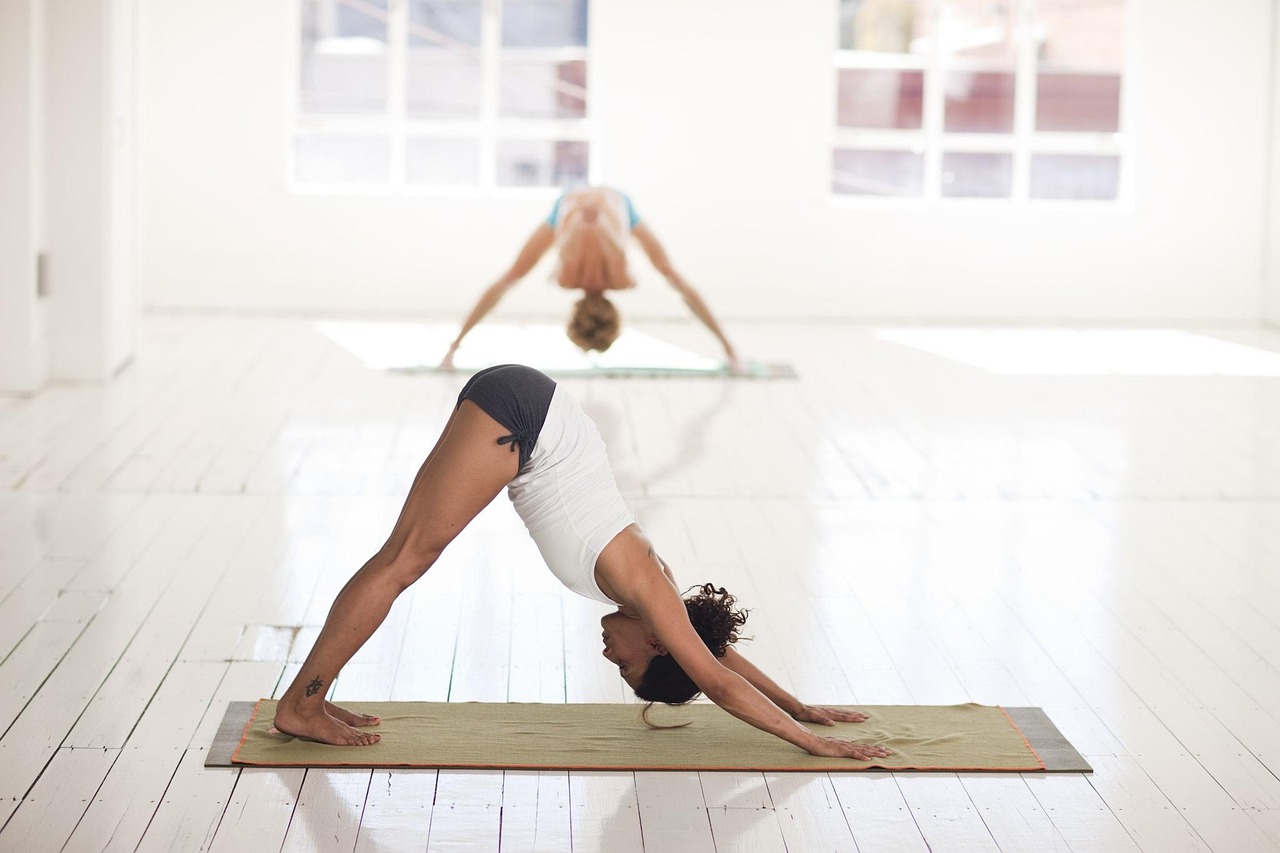
Step into a room heated to a sweltering 105°F (40°C) with 40% humidity, and you’ve entered the unique world of Bikram yoga. Far from your typical yoga class, Bikram offers a rigorously structured 90-minute sequence designed to systematically work every part of your body, from bones to skin to internal organs. It’s a practice that challenges you physically and mentally, promising a profound sense of detoxification and rejuvenation. Whether you’re a seasoned yogi looking for a new challenge or a curious beginner ready to sweat, understanding the intricacies of this powerful practice is your first step towards unlocking its transformative potential.
What is Bikram Yoga? The Fundamentals of the Hot 26+2 Sequence
Bikram yoga, often simply called “hot yoga,” is a specific style of yoga founded by Bikram Choudhury. It is distinguished by its unvarying sequence of 26 postures (asanas) and two breathing exercises (pranayamas), performed in a heated room over 90 minutes. This precise methodology is designed to warm the body from the inside out, allowing for deeper stretches and preventing injuries.
The “26+2” Sequence Explained
The core of Bikram yoga lies in its standardized series. Each of the 26 postures is performed twice, with specific timings and transitions. This consistency means that no matter where you practice Bikram yoga in the world, the sequence remains the same, providing a predictable and progressive experience.
- 26 Asanas: A combination of standing, balancing, and floor postures targeting every muscle, joint, and ligament.
- 2 Pranayamas:
- Standing Deep Breathing (Pranayama): Calms the mind and prepares the body.
- Kapalbhati in Savasana (Blowing in Firm Pose): Designed to strengthen abdominal muscles and improve lung capacity.
- Rigid Structure: The sequence is designed to progressively warm and stretch the body, ensuring each posture builds upon the last.
Practical Example: The standing series starts with foundational poses like Half Moon Pose and Awkward Pose, which build strength and balance, before moving into more challenging balancing postures such as Standing Head to Knee Pose. The floor series then focuses on backbends, twists, and inversions.
The Role of Heat and Humidity
The intense heat and humidity are not just for show; they are integral to the practice’s efficacy.
- Enhanced Flexibility: The warmth allows muscles to stretch more effectively and safely, reducing the risk of injury. Think of it like warming up a rubber band before stretching it.
- Improved Circulation: Heat increases blood flow, delivering more oxygen to cells and tissues throughout the body.
- Detoxification: Sweating profusely helps the body eliminate toxins through the skin, the body’s largest organ.
- Cardiovascular Workout: The challenging conditions elevate heart rate, providing a robust cardiovascular workout.
The Philosophy Behind It
Bikram yoga emphasizes precision, discipline, and mental focus. The repetitive nature of the sequence allows practitioners to deepen their understanding of each posture over time, focusing on alignment and breath rather than simply “getting through” the class. It’s a moving meditation that cultivates mental fortitude and self-awareness.
The Profound Benefits of a Consistent Bikram Yoga Practice
Beyond the immediate challenge, a regular Bikram yoga practice offers a wide array of physical and mental benefits, making it a holistic approach to well-being.
Physical Fortification and Rehabilitation
Bikram yoga is renowned for its ability to build strength, improve flexibility, and even aid in the recovery from various ailments.
- Increased Flexibility: The heat and specific sequence work to deeply stretch muscles, tendons, and ligaments, significantly increasing range of motion. Many practitioners report improved flexibility in just a few weeks.
- Strengthens Muscles and Bones: Holding postures engages and tones various muscle groups, while weight-bearing poses can improve bone density.
- Pain Management: Many individuals find relief from chronic back pain, knee issues, and arthritis through consistent practice, as it strengthens supporting muscles and improves joint mobility.
- Improved Balance and Posture: The balancing postures challenge core strength and proprioception, leading to better balance and a more upright posture in daily life.
Actionable Takeaway: To maximize flexibility gains, focus on pushing to your edge in each stretch, but never beyond pain. The breath is your guide to deepening postures safely.
Mental Clarity and Stress Reduction
The disciplined nature of Bikram yoga extends its benefits far beyond the physical, impacting mental well-being profoundly.
- Enhanced Focus and Concentration: The intense environment and precise instructions demand your full attention, training your mind to stay present. This mental discipline translates into improved focus in other areas of your life.
- Stress and Anxiety Reduction: The combination of controlled breathing and physical exertion helps to calm the nervous system, reducing levels of stress hormones like cortisol. The act of sweating itself can be a powerful stress reliever.
- Boosted Mood: Like other forms of exercise, Bikram yoga releases endorphins, natural mood elevators that can combat feelings of depression and lethargy.
- Improved Sleep Quality: Regular physical activity and stress reduction contribute to more restful and restorative sleep.
Practical Example: During the Standing Head to Knee Pose, the immense concentration required to balance and hold the posture leaves little room for external worries, providing a mental break from daily stressors.
Detoxification Explained
The concept of detoxification is a cornerstone of Bikram yoga’s appeal, often citing the profuse sweating as a primary mechanism.
- Sweat as a Toxin Release: While the liver and kidneys are the primary detox organs, sweating through the skin helps eliminate certain heavy metals and environmental toxins.
- Improved Organ Function: The compression and expansion in various poses, coupled with increased circulation, stimulate and massage internal organs, promoting their optimal function.
- Hydration’s Role: Proper hydration before, during, and after class is crucial to flush out toxins effectively and replenish electrolytes.
Actionable Takeaway: Ensure you are drinking plenty of water, not just on class days, but every day. This will support your body’s natural detoxification processes and enhance your yoga experience.
Preparing for Your First Bikram Class: A Beginner’s Guide
Your first Bikram yoga class can feel intimidating, but with the right preparation, you can have a positive and rewarding experience. Think of it as preparing for a mini-marathon in a sauna!
Hydration is Key
This cannot be stressed enough. Proper hydration is critical to your safety and enjoyment.
- Start Early: Begin hydrating at least 24 hours before your class. Aim to drink several liters of water throughout the day.
- Electrolytes: Consider supplementing with electrolyte-rich drinks (like coconut water or an electrolyte solution) before or after class, especially if you sweat a lot or are prone to muscle cramps.
- During Class: Bring a large water bottle and take sips during designated water breaks or whenever you feel thirsty. Avoid gulping large amounts, as this can lead to nausea.
Practical Example: On the day before your class, carry a refillable water bottle and make it a goal to finish 3-4 refills (approx. 2-3 liters) by bedtime. Avoid excessive caffeine or alcohol, which can dehydrate you.
What to Wear & Bring
Comfort and functionality are paramount in the hot room.
- Lightweight, Breathable Clothing: Opt for moisture-wicking materials. For women, a sports bra and shorts or capris are common. For men, shorts. Less is more!
- Yoga Mat: Bring your own. Studios usually have rentals if you don’t own one.
- Large Towel: Essential for covering your mat to absorb sweat and prevent slipping. An extra small towel for your face is also a good idea.
- Water Bottle: A large, insulated bottle will keep your water cool.
- Optional: A head-sweat band if you have long hair or sweat heavily from your scalp.
Actionable Takeaway: Lay out your yoga gear the night before to avoid rushing. Ensure your towel covers your entire mat for optimal hygiene and grip.
Listen to Your Body
Especially as a beginner, it’s vital to tune into your body’s signals. The heat will intensify sensations, so don’t push beyond your limits.
- Rest When Needed: If you feel dizzy, nauseous, or overwhelmed, lie down on your mat in Savasana (corpse pose). Don’t leave the room unless absolutely necessary; staying in the heat helps your body adapt.
- Modifications: It’s okay not to achieve the full expression of a pose. Focus on proper alignment and listen to your instructor for modifications.
- No Food: Avoid eating a heavy meal 2-3 hours before class. A light snack (like a banana) an hour before is usually fine if you need energy.
Practical Example: During Eagle Pose, if balancing on one leg is too challenging, keep your toes on the floor for support. The goal is to participate and allow your body to adapt, not to perfect every posture on day one.
The Bikram Yoga Experience: Inside the Hot Room
Stepping into a Bikram yoga class is an experience unlike any other. Knowing what to expect can help you navigate the heat, the sweat, and the unique energy of the room.
The Initial Shock and Adaptation
When you first walk into the heated studio, the warmth can be intense. Your body will need time to adjust.
- Embrace the Heat: Expect to sweat profusely from the moment you step in. This is normal and part of the process.
- Stay Low: If you feel lightheaded, sit or lie down. Keeping your head lower than your heart can help.
- Breathe Deeply: Focus on your breath, especially the first breathing exercise. Deep, calm breaths help regulate your body temperature and oxygen intake.
Practical Example: Many studios recommend arriving 10-15 minutes early to allow your body to acclimatize to the heat before the class officially begins. This also gives you time to set up your mat and towel.
Navigating the Poses and Instructor Cues
Bikram instructors typically follow a strict dialogue, guiding you through each pose with precise instructions.
- Verbal Adjustments: Instructors often give verbal cues rather than hands-on adjustments, guiding you to correct your alignment.
- Mirror Work: The room is often mirrored, encouraging you to observe your own form and make adjustments.
- The “Don’t Leave” Rule: While controversial, many Bikram studios strongly encourage students to stay in the room for the entire 90 minutes, even if resting. This helps the body adapt to the heat and maintains the energy of the class.
- The Benefits of Repetition: Don’t get discouraged if you can’t do a pose perfectly. The repetition over multiple classes is where true progress is made. Focus on the effort and the feeling, not just the visual outcome.
Actionable Takeaway: Position yourself near the back or side of the room if you prefer to observe others, but also use the mirror to check your own form. Don’t be afraid to rest if you need to; just try to stay in the room and breathe.
The Power of Savasana
Savasana, or Corpse Pose, is a crucial part of the Bikram sequence, performed between each set of postures and at the end of class.
- Rest and Recuperation: These brief Savasanas allow your heart rate to slow down, your muscles to relax, and your body to process the work it’s just done.
- Mental Integration: It’s a moment to integrate the physical sensations and calm the mind before the next challenge.
- Crucial for Benefits: Skipping Savasana diminishes the overall benefits of the practice, as it’s when your body truly absorbs the effects of the preceding poses.
Practical Example: During Savasana, lie still on your back with arms at your sides, palms up. Close your eyes and focus on your breath. Resist the urge to fidget or reach for your water bottle immediately.
Beyond the Sweat: Long-Term Practice and Community
Bikram yoga is more than just a workout; for many, it becomes a lifestyle. Sustaining a long-term practice offers deeper insights and a sense of belonging.
Building Consistency for Lasting Change
Like any discipline, the true benefits of Bikram yoga unfold with regular, consistent practice. One class a week will yield results, but 2-3 times a week can be transformative.
- Physical Transformation: Over time, you’ll notice significant improvements in flexibility, strength, endurance, and body composition.
- Mental Resilience: The discipline cultivated in the hot room translates into greater mental fortitude and emotional regulation in daily life.
- Deeper Understanding: With each class, you’ll gain a deeper understanding of the postures, your own body, and how to work within your limits while still challenging yourself.
Practical Example: Many long-term practitioners find that their recovery from other physical activities (like running or weightlifting) improves significantly due to enhanced flexibility and circulation from Bikram yoga.
Addressing Common Misconceptions
Bikram yoga often comes with its own set of myths. Understanding the facts can help clarify your path.
- “It’s Too Hot for Me”: While the heat is intense, the body adapts. Most people find the initial classes the hardest, but with consistency, the heat becomes part of the practice.
- “You Have to Be Flexible”: This is perhaps the biggest misconception. Bikram yoga is designed to make you flexible, not for already flexible people. All body types and flexibility levels are welcome.
- “It’s Only for Weight Loss”: While Bikram yoga can support weight management through calorie burn and increased metabolism, its benefits extend far beyond, encompassing mental, emotional, and overall health improvements.
- “It’s Dangerous”: When practiced mindfully and with proper hydration, Bikram yoga is safe. Listening to your body and modifying as needed is key.
Actionable Takeaway: Don’t let perceived limitations deter you. Approach Bikram yoga with an open mind, focusing on effort and self-acceptance rather than perfection.
Finding Your Community and Support
The shared experience of the hot room often fosters a unique sense of community.
- Shared Challenge: Enduring the heat and the intense postures together creates a bond among practitioners.
- Supportive Environment: Many studios cultivate a welcoming atmosphere where students support each other’s journeys.
- Teacher Guidance: Experienced Bikram teachers can provide invaluable guidance, helping you deepen your practice and understand its nuances.
Practical Example: Engage with your fellow yogis before or after class. Sharing experiences, tips, and encouragement can enhance your sense of belonging and make the practice even more enjoyable.
Conclusion
Bikram yoga is a powerful and precise practice that offers a wealth of benefits, from profound physical changes like increased flexibility and strength to significant mental enhancements such as improved focus and stress reduction. While the heat presents a unique challenge, it is an integral part of the process, facilitating deeper stretches and promoting detoxification. By preparing adequately, listening to your body, and committing to a consistent practice, you can unlock the full transformative potential of this 90-minute, 26-posture sequence. Step into the heat, embrace the sweat, and discover a stronger, more flexible, and more mindful you.