In our fast-paced world, finding moments of peace and rejuvenation can feel like a luxury. Yet, nestled within the ancient practice of yoga lies a posture that offers exactly that: a sanctuary, a moment of profound comfort and surrender. Often underestimated in its simplicity, Child’s Pose, or Balasana, is an invitation to pause, to reconnect with your breath, and to find solace. It’s a universal symbol of rest, a gentle embrace that reminds us of our innate need for stillness, making it an indispensable tool for anyone seeking calm amidst the chaos.
Understanding Child’s Pose (Balasana): The Ultimate Restorative Posture
Child’s Pose is more than just a resting posture; it’s a gateway to introspection and deep relaxation. Its simple form belies its profound effects on both body and mind, making it a cornerstone of restorative yoga and a beloved staple in any yoga practice.
What is Balasana?
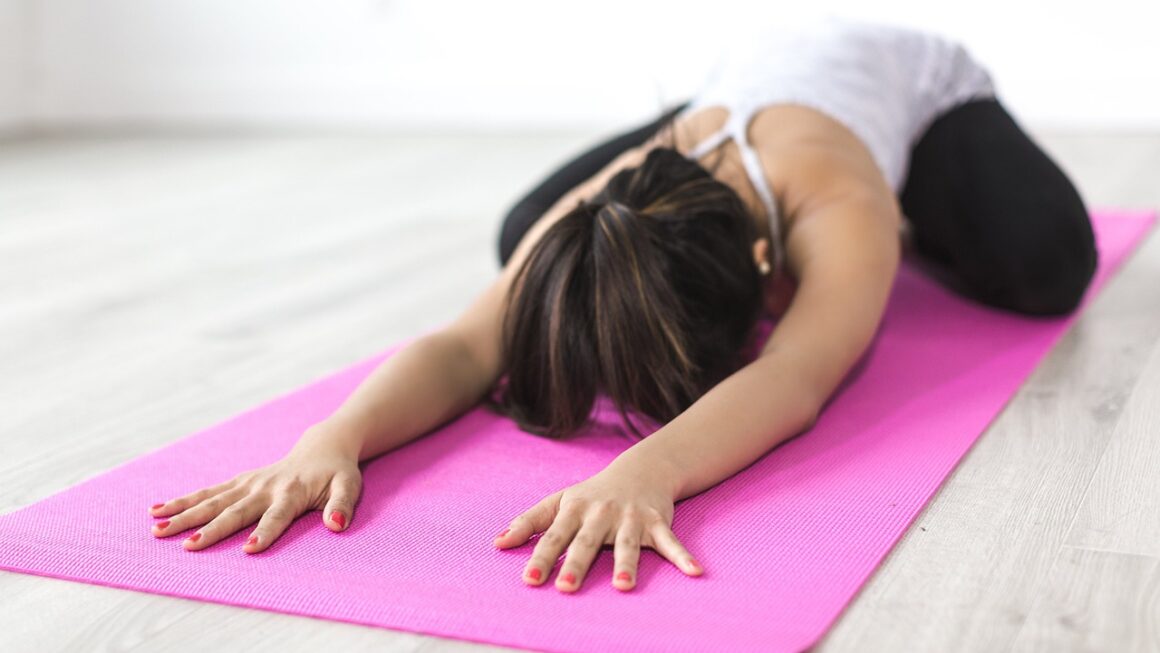
Balasana, derived from the Sanskrit words “Bala” (child) and “Asana” (posture), perfectly encapsulates its essence. It’s a forward-folding pose typically practiced kneeling, with the torso resting gently over the thighs and the forehead touching the mat. In this position, you mimic the natural fetal position, returning to a state of primal comfort and security.
- A pose of surrender: Child’s Pose encourages release, allowing gravity to do the work.
- A gentle stretch: While primarily restorative, it offers a subtle stretch to the hips, thighs, and ankles.
- Internal focus: By folding inward, external distractions diminish, promoting a sense of inner calm.
The Origins of Comfort
Rooted deeply in the ancient traditions of Hatha Yoga, Child’s Pose has been recognized for centuries as a fundamental posture for grounding and calming the nervous system. It’s not just a posture for beginners; seasoned yogis frequently return to Balasana to recenter themselves, showing its timeless relevance and universal appeal. It’s a reminder that sometimes, the simplest acts of self-care are the most powerful.
Actionable Takeaway: Embrace Child’s Pose as a deliberate act of self-care, not just a default resting position. Consciously choose to surrender and feel the pose.
Unpacking the Myriad Benefits of Child’s Pose
The seemingly simple shape of Child’s Pose belies a wealth of therapeutic benefits, addressing both physical discomfort and mental turmoil. Incorporating this pose regularly can significantly enhance your overall well-being.
Physical Benefits
Child’s Pose offers gentle relief and support to various parts of the body:
- Gentle back and neck stretch: When performed with proper support (e.g., forehead resting on a block), it can gently decompress the spine and alleviate mild back and neck pain.
- Hip and ankle opening: Depending on the knee position, it can provide a subtle stretch to the hips and a gentle flex to the ankles.
- Calms the brain and relieves fatigue: The forward fold helps to quiet the mind, making it an excellent pose for stress relief and combating general fatigue.
- Aids digestion: The gentle compression of the abdomen can stimulate digestion and soothe minor digestive discomfort.
- Restorative for internal organs: The mild pressure can subtly massage internal organs, promoting their healthy function.
Mental and Emotional Benefits
Beyond the physical, Child’s Pose is a powerhouse for mental and emotional restoration:
- Reduces anxiety and stress: By calming the nervous system and encouraging deep, diaphragmatic breathing, Balasana is incredibly effective for anxiety relief yoga and reducing overall stress levels. Many studies indicate that regular yoga practice, including restorative poses like Balasana, significantly lowers cortisol levels.
- Promotes introspection and self-awareness: The inward focus of the pose helps to quiet the external chatter, allowing you to connect with your inner self.
- Grounding and centering: Feeling your body rooted to the earth provides a sense of stability and security, particularly beneficial during emotionally turbulent times.
- Cultivates mindfulness: It’s an ideal pose for practicing mindfulness, inviting you to stay present with your breath and sensations.
Practical Example: If you’re feeling overwhelmed at work, step away for just five minutes and practice Child’s Pose. Focus solely on your breath, feeling your belly expand and contract against your thighs. This short mental break can significantly shift your perspective and reduce immediate stress.
Actionable Takeaway: Actively engage your breath in Child’s Pose. Inhale deeply into your back, feeling your ribs expand, and exhale slowly, imagining tension melting away from your body.
How to Practice Child’s Pose (Step-by-Step Guide)
While Child’s Pose is simple, proper alignment and thoughtful modifications can deepen its benefits and ensure comfort for every body.
Getting Started: Basic Alignment
Follow these steps to enter Balasana:
-
Start on hands and knees (tabletop position): Align your wrists under your shoulders and knees under your hips.
-
Bring your big toes to touch: This creates a stable base. You can choose to keep your knees together or spread them wide, depending on your comfort and desired stretch.
-
Fold your torso forward: As you exhale, gently lower your hips towards your heels and fold your upper body down, resting your torso between or on top of your thighs.
-
Rest your forehead on the mat: Allow your neck to be long and relaxed. If your forehead doesn’t comfortably reach the mat, use a prop.
-
Position your arms: You have two main options:
- Arms extended forward: Palms down, reaching towards the top of your mat. This provides a gentle stretch for the shoulders and upper back.
- Arms alongside your body: Palms facing up, resting next to your feet. This is a more restorative and passive arm position, encouraging deeper relaxation.
-
Breathe deeply: Once settled, focus on slow, even breaths, allowing your body to soften with each exhale.
Key Variations and Modifications
Child’s Pose is highly adaptable. Don’t hesitate to use props to enhance your comfort and experience.
- Knees together: This variation offers more abdominal compression, which can be comforting and aid digestion. It’s often more introspective.
- Knees wide (Wide-Knee Child’s Pose): Spreading your knees wider than hip-width apart allows more space for your torso to rest, making it suitable for larger bellies or for those who want a deeper hip-opening stretch.
- Using a blanket under your knees: If you have sensitive knees, a folded blanket or towel beneath them can provide cushioning and prevent discomfort.
- Using a block or pillow under your forehead: If your forehead doesn’t comfortably reach the mat, stack blocks or place a pillow under your forehead for support. This ensures a relaxed neck and helps calm the mind.
- Using a bolster or pillow under your torso: For an even deeper sense of relaxation and support, especially beneficial in restorative yoga sessions, place a bolster lengthwise between your thighs and rest your torso over it. This provides gentle pressure and comfort.
Actionable Takeaway: Experiment with different arm positions and prop usage to find the variation of Child’s Pose that feels most supportive and comforting for your unique body and needs.
Integrating Child’s Pose into Your Daily Life
The beauty of Child’s Pose lies in its versatility. It can be a powerful tool for well-being, accessible anytime, anywhere.
When to Use Child’s Pose
There are countless opportunities to weave Balasana into your routine:
- During a yoga class: Always take Child’s Pose whenever you feel tired, overwhelmed, or simply need a break. It’s a respectful act of self-care and a hallmark of a mature yoga practice.
- As a transition pose: Use it between challenging inversions, backbends, or long sequences to reground and reset.
- Morning stretch: Start your day with a few minutes in Child’s Pose to gently awaken your spine and quiet your mind before the day begins.
- Evening wind-down: Practice Balasana before bed as part of your yoga for relaxation routine. It signals to your body and mind that it’s time to rest, promoting better sleep.
- Stressful moments: When you feel overwhelmed, anxious, or angry, take a few minutes to retreat into Child’s Pose. This mini-break can help regulate your emotions and provide a sense of control.
- After intense workouts: Use it as a gentle cool-down pose to release tension from your back and hips.
Practical Example: Instead of reaching for your phone during a moment of boredom or stress, try settling into Child’s Pose for 3-5 minutes. Focus on your breath and notice any shifts in your mental state. You might be surprised by how refreshed you feel.
Tips for a Deeper Practice
To maximize the benefits of Child’s Pose, consider these enhancements:
- Focus on your breath: Actively direct your breath into your lower back, feeling it expand on the inhale and soften on the exhale. This deep breathing activates the parasympathetic nervous system, promoting relaxation.
- Set an intention: Before entering the pose, take a moment to set an intention, whether it’s for peace, release, or gratitude.
- Stay for a while: While even a minute is beneficial, try to stay in the pose for 3-5 minutes, or even longer, allowing your body to fully surrender.
- Create a calming environment: Dim the lights, put on some soothing music, or use an essential oil diffuser to enhance the tranquil experience. This supports a deeper dive into mindfulness.
Actionable Takeaway: Commit to practicing Child’s Pose for at least five minutes before bed three times a week. Observe how this simple routine impacts your sleep quality and overall sense of calm.
Common Misconceptions and Precautions
While generally safe and highly beneficial, it’s important to approach Child’s Pose with awareness and respect for your body’s individual needs.
It’s Not “Giving Up”
A common misconception, especially in a dynamic yoga class, is that taking Child’s Pose signifies weakness or “giving up.” On the contrary, choosing to rest in Balasana demonstrates profound self-care, body awareness, and strength. It’s an intelligent decision to listen to your body’s signals and prioritize your well-being over external expectations.
- A pose of strength: It takes strength to acknowledge your limits and prioritize rest.
- Embrace listening: Child’s Pose teaches you to honor your body’s wisdom.
Who Should Be Cautious?
While Child’s Pose is accessible to most, certain conditions may require modifications or avoidance:
- Pregnancy: During pregnancy, spread your knees wide to accommodate your belly and use a bolster or pillow to support your torso and head, ensuring no compression on the abdomen. Always consult your doctor.
- Knee Injuries: If you have a severe knee injury or recent knee surgery, Child’s Pose might be uncomfortable or contraindicated. Use extra padding under your knees or explore alternative resting poses.
- Diarrhea: The abdominal compression might exacerbate symptoms. It’s best to avoid this pose during acute digestive upset.
- High Blood Pressure: While generally calming, if you experience dizziness or discomfort with your head below your heart, keep your head supported with props and limit the duration.
- Eye Injuries or Glaucoma: Avoid putting direct pressure on your forehead or increasing pressure in your head. Use a prop to elevate your forehead.
Actionable Takeaway: Always listen to your body. If you feel any sharp pain or discomfort, gently come out of the pose. Consult with a healthcare professional or an experienced yoga instructor if you have specific health concerns.
Conclusion
Child’s Pose, or Balasana, is far more than just a yoga posture; it’s a profound invitation to reconnect with your inner peace. In its comforting embrace, we find a haven from the demands of the world, a space for physical release, mental clarity, and emotional balance. Whether you’re seeking stress relief, enhanced mindfulness, or simply a moment of quiet repose, Child’s Pose offers a universally accessible path to well-being.
Embrace the wisdom of this simple yet powerful pose. Allow it to be your reliable sanctuary, a reminder that stillness is not merely an absence of activity, but a potent source of strength and rejuvenation. Make Child’s Pose your personal anchor, and discover the profound calm that lies within you.