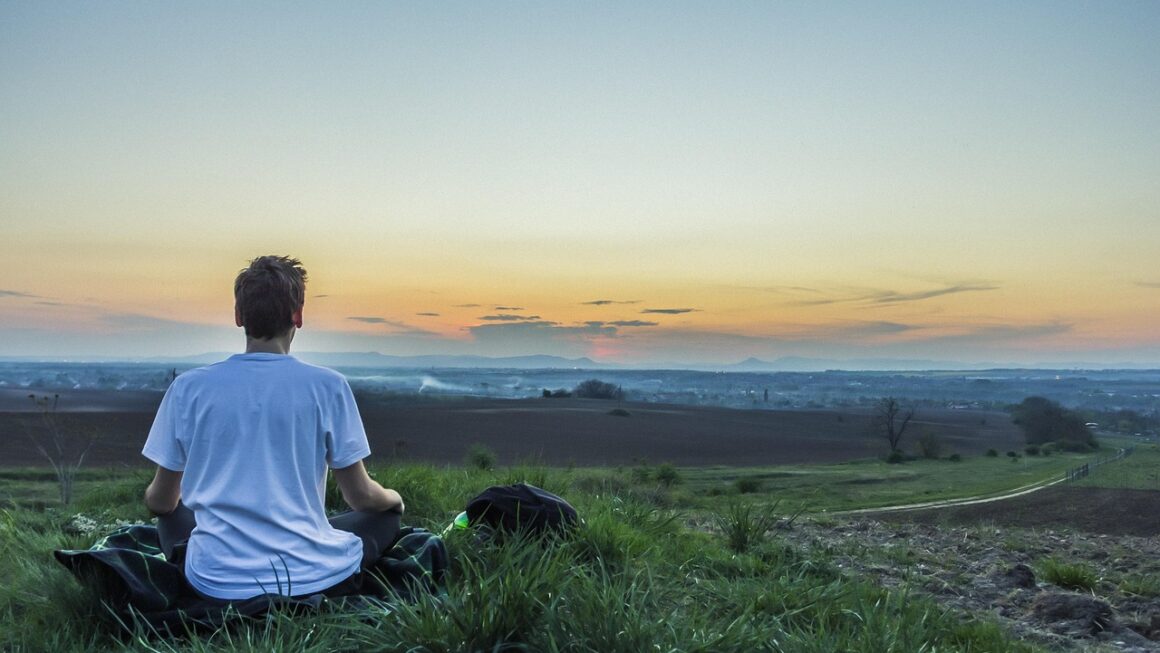
In our fast-paced, digitally saturated world, finding true inner peace and clarity can feel like an elusive dream. We constantly seek ways to alleviate stress, manage anxiety, and understand ourselves better. Amidst the myriad of mindfulness practices and self-help techniques, one ancient method stands out for its profound transformative power: Vipassana meditation. Originating from India, this non-sectarian technique offers a direct path to self-observation and purification, promising a deeper understanding of reality and a lasting sense of equanimity. If you’re ready to explore an intensive journey into the depths of your own mind, read on to discover what Vipassana is and how it can profoundly change your life.
What is Vipassana Meditation?
Vipassana, meaning “to see things as they really are,” is one of India’s most ancient meditation techniques. Rediscovered by Gautama Buddha more than 2500 years ago, it was taught by him as a universal remedy for universal problems – an art of living. It is a systematic practice of self-observation that aims to eradicate mental defilements and cultivate wisdom.
The Core Principle: Seeing Reality
At its heart, Vipassana is about direct experience. It’s not about intellectualizing or philosophizing; it’s about experiencing the transient nature of reality within oneself. The technique teaches you to observe the sensations of your own body and mind, understanding their impermanent, unsatisfactory, and impersonal nature. This deep understanding, born of direct experience, gradually frees the mind from suffering.
- Universal Application: Vipassana is non-sectarian and open to people of all backgrounds, faiths, or no faith. It focuses on the universal truths of existence.
- Mind Purification: The ultimate goal is to purify the mind of negativity – craving, aversion, and ignorance – leading to lasting peace and happiness.
The Method: Anapanasati and Sensations
The practice typically begins with Anapanasati, or the observation of natural breath. This initial stage serves to concentrate the mind, making it sharp and sensitive enough to perceive the subtler realities of the body and mind.
- Anapanasati (Breath Awareness): For the first few days of a typical retreat, meditators focus intensely on the sensation of their natural breath at the entrance of the nostrils. This develops concentration (Samadhi).
- Systematic Body Scan: Once the mind is sufficiently concentrated, the practitioner moves to the core Vipassana technique: systematically sweeping awareness throughout the body, observing all physical sensations without reacting to them with craving or aversion.
- Understanding Impermanence: By observing the continuous arising and passing away of sensations, one directly experiences the truth of impermanence (anicca). This profound insight weakens the habit pattern of reacting to pleasant or unpleasant sensations, leading to equanimity.
Actionable Takeaway: Start by simply observing your natural breath for 5-10 minutes each day, noticing the subtle sensations as air enters and leaves your nostrils. This foundational practice can significantly improve focus.
The Vipassana 10-Day Retreat Experience
Vipassana is primarily taught in intensive 10-day residential courses around the world. These retreats are designed to provide an optimal environment for deep meditation and understanding of the technique, away from the distractions of daily life.
A Deep Dive into Self-Discovery
Participating in a 10-day Vipassana retreat, often taught in the tradition of S.N. Goenka, is a unique and challenging journey. It involves a strict code of discipline and a commitment to ‘Noble Silence’.
- Noble Silence: For the majority of the retreat, participants commit to complete silence – no talking, gesturing, reading, writing, or communication with fellow students. This creates a powerful internal environment for introspection.
- Five Precepts: Students agree to abstain from killing any being, stealing, all sexual activity, telling lies, and all intoxicants. These precepts lay a strong ethical foundation for the practice.
- Separation from the World: Phones, books, and external communication devices are surrendered to minimize distractions and encourage full immersion in the practice.
Practical Example: Imagine waking up at 4 am, meditating for hours, having simple vegetarian meals, and going to bed by 9 pm, all without speaking a single word or having access to your phone. This intense schedule is deliberately structured to break habitual patterns and facilitate deep insight.
Daily Schedule and Progression
The daily schedule is rigorous, starting before dawn and continuing late into the evening, with multiple hours of meditation.
A typical day at a Vipassana retreat:
- 4:00 am: Wake-up gong
- 4:30 – 6:30 am: Group meditation in the hall or individual meditation in your room
- 6:30 – 8:00 am: Breakfast and rest
- 8:00 – 9:00 am: Group meditation in the hall
- 9:00 – 11:00 am: Individual meditation in your room or in the hall (as instructed by the teacher)
- 11:00 am – 12:00 pm: Lunch
- 12:00 – 1:00 pm: Rest and interviews with the teacher (if needed)
- 1:00 – 2:30 pm: Group meditation in the hall or individual meditation
- 2:30 – 3:30 pm: Group meditation in the hall
- 3:30 – 5:00 pm: Individual meditation in your room or in the hall
- 5:00 – 6:00 pm: Tea break for new students, light refreshment for old students
- 6:00 – 7:00 pm: Group meditation in the hall
- 7:00 – 8:15 pm: Teacher’s discourse (audio/video)
- 8:15 – 9:00 pm: Group meditation in the hall
- 9:00 pm: Bedtime
The technique is introduced progressively, starting with Anapanasati for concentration, then Vipassana for insight into sensations, and finally Metta (loving-kindness) meditation on the final day for sharing the peace with all beings.
Actionable Takeaway: Before considering a retreat, try establishing a consistent morning routine. Waking early and dedicating even 15-30 minutes to quiet reflection or simple breath awareness can prepare your mind for a more rigorous schedule.
Profound Benefits of Practicing Vipassana
While the Vipassana journey is challenging, the rewards are profound and far-reaching, impacting mental, emotional, and even physical well-being.
Mental and Emotional Well-being
Regular Vipassana practice leads to a clearer, calmer, and more balanced mind, helping individuals navigate life’s challenges with greater ease.
- Stress and Anxiety Reduction: By observing the arising and passing of thoughts and sensations without reaction, practitioners learn to break the cycle of stress and anxiety. Studies indicate that mindfulness-based interventions, including Vipassana, can significantly reduce symptoms of anxiety and depression.
- Increased Self-Awareness: Vipassana provides direct insight into the patterns of one’s own mind, revealing the root causes of suffering and unhappiness.
- Improved Emotional Regulation: Learning to observe emotions dispassionately, rather than being overwhelmed by them, develops equanimity and the ability to respond thoughtfully instead of reacting impulsively.
- Enhanced Focus and Concentration: The rigorous training in breath awareness and systematic body scanning naturally improves one’s ability to concentrate and sustain attention.
Physical Health Impacts
While Vipassana is primarily a mental training, the profound shifts in mental and emotional states can have positive ripple effects on physical health.
- Better Sleep Quality: A calmer mind, free from incessant worrying, often translates to more restful and restorative sleep.
- Reduced Chronic Pain (Anecdotal): Many practitioners report a changed relationship with physical pain, observing sensations without compounding them with mental aversion, which can lessen the subjective experience of suffering.
- Lower Blood Pressure: Indirectly, through significant stress reduction and cultivation of a more peaceful mental state, some individuals may experience improvements in cardiovascular health markers.
Spiritual Growth (Non-Religious)
Beyond mental and physical benefits, Vipassana offers a path to genuine spiritual growth, fostering universal values.
- Deeper Understanding of Universal Truths: Experiential realization of impermanence, suffering, and non-self leads to profound wisdom and liberation from attachments.
- Cultivation of Equanimity and Compassion: The practice systematically builds equanimity towards all sensations and situations. The final day of the retreat introduces Metta (loving-kindness) meditation, extending goodwill to all beings, enhancing empathy and compassion.
Actionable Takeaway: Whenever you feel a strong emotion (e.g., anger, joy, fear), pause and simply notice the physical sensations associated with that emotion in your body. Observe without judgment or trying to change it, just noting its presence and eventual passing. This simple practice can begin to create space between you and your emotional reactions.
Is Vipassana Right for You? Addressing Common Misconceptions
Considering a Vipassana retreat requires careful thought. Dispelling common myths can help you decide if this profound journey into self-observation aligns with your personal goals.
It’s Not a Religion, But a Universal Technique
One of the most widespread misconceptions is that Vipassana is a Buddhist practice in a religious sense. While it originated from the teachings of the Buddha, it is explicitly taught as a non-sectarian path to liberation.
- Focus on Experience: Vipassana doesn’t require conversion to Buddhism or adherence to any dogma. Its focus is on direct experience and self-observation, making it universally accessible.
- Open to All: People from all religious backgrounds, or none, successfully practice Vipassana and find benefit without compromising their existing beliefs.
It’s Challenging, But Immensely Rewarding
There’s no sugar-coating it: a 10-day silent Vipassana retreat is one of the most demanding experiences many people will ever undertake. It requires immense mental fortitude.
- Facing Yourself: The primary challenge is not the physical discomfort of sitting for long hours (though that is present), but the intense mental confrontation with one’s own patterns of mind, anxieties, and unresolved issues.
- Worth the Effort: Those who persevere through the initial difficulties often describe the experience as profoundly life-changing, leading to unprecedented clarity and peace.
Practical Example: Many first-time meditators describe experiencing strong urges to quit, intense physical discomfort, or a flood of difficult memories and emotions. The teaching emphasizes observing these without reaction, understanding they are impermanent, and continuing with the technique. This process of observing without reacting is where true purification begins.
Commitment and Consistency Are Key
The 10-day retreat is often described as a surgical operation on the mind. To maintain the benefits, ongoing practice is essential.
- Foundation, Not a Cure-All: The retreat provides a strong foundation and teaches the technique thoroughly. However, it is not a one-time fix.
- Daily Practice: To integrate the profound insights into daily life, practitioners are encouraged to meditate for one hour in the morning and one hour in the evening.
Actionable Takeaway: Reflect on your current commitment level. Are you ready for a challenge that promises deep internal change but demands sustained effort? If so, Vipassana might be a truly transformative path for you.
Getting Started with Vipassana: Your Next Steps
If Vipassana resonates with you, the journey begins with finding a reputable center and preparing yourself for the profound experience.
Finding a Center and Applying
The most widely available and structured Vipassana courses are offered in the tradition of S.N. Goenka, taught globally at centers often referred to as ‘Dhamma’ centers.
- Official Website: The primary resource for finding courses and centers worldwide is Dhamma.org.
- Course Structure: All first courses are 10 days in length. Longer courses (20, 30, 45 days) are available for experienced students.
- Donation-Based: Courses are run entirely on a donation basis. There is no charge for tuition, food, or accommodation. This ensures the teachings are accessible to everyone, regardless of financial means. Donations are accepted only from old students who have completed at least one 10-day course, allowing them to give back for the benefit of future students.
- Application Process: Due to high demand, particularly for first-time courses, it is advisable to apply well in advance. Waitlists are common.
Preparing for Your First Retreat
Mental and practical preparation can significantly enhance your retreat experience.
- Read Introductory Materials: Familiarize yourself with the code of discipline and the general principles on Dhamma.org. Understanding what to expect can ease the initial shock.
- Inform Loved Ones: Let your family and workplace know that you will be incommunicado for the duration of the retreat.
- Pack Smart: Bring comfortable, loose-fitting clothing suitable for sitting on the floor, toiletries, and any necessary personal medications. Avoid bringing items that could be distracting (e.g., excessive snacks, electronics).
- Set Realistic Expectations: Understand that it will be challenging. Go with an open mind and a strong resolve to complete the full 10 days, regardless of what arises.
Practical Example: Before my first course, I informed my colleagues and family that I would be unreachable. I packed several layers of simple clothing, a comfortable shawl, and earplugs. Mentally, I committed to staying for the entire duration, reminding myself that any discomfort was temporary and part of the process.
Integrating Practice into Daily Life
The real test of Vipassana happens when you return to your regular life. How do you maintain the clarity and peace gained?
- Daily Sittings: Aim for one hour of meditation in the morning and one hour in the evening. Consistency is more important than duration.
- Mindful Awareness: Bring the principle of observing sensations without reaction into your daily activities – while eating, walking, working, and interacting with others.
- Regular Refreshers: Attend shorter 1-day or 3-day courses when possible, or engage in self-retreats at home to strengthen your practice.
Actionable Takeaway: After completing a course, commit to a realistic daily meditation schedule. Even 20-30 minutes consistently can make a significant difference in maintaining the benefits and continuing your journey of self-purification.
Conclusion
Vipassana meditation is more than just a technique; it’s a profound journey of self-discovery and purification. It offers a tangible path to understand the deepest roots of human suffering and to cultivate lasting peace, equanimity, and genuine happiness. While the 10-day retreat is a challenging commitment, the opportunity to observe your mind’s true nature, free from external distractions, is an invaluable gift. It empowers you to break free from old patterns, react less, and live with greater awareness and wisdom. If you’re earnestly seeking a way to transform your life from the inside out, exploring Vipassana could be the most courageous and rewarding step you ever take. Embrace the challenge, commit to the process, and unlock the profound peace that lies within.