From ancient pharaohs to modern investors, gold has captivated humanity for millennia. Its radiant luster, intrinsic value, and enduring mystique have solidified its status not just as a precious metal, but as a symbol of wealth, power, and timeless beauty. Beyond its aesthetic appeal, gold plays a crucial role in global economies, technological advancement, and personal finance, acting as a reliable store of value and a hedge against uncertainty. This comprehensive guide delves into the multifaceted world of gold, exploring its rich history, diverse applications, and strategic importance in today’s dynamic landscape.
## The Enduring Allure of Gold: A Historical Perspective
Gold’s journey through human civilization is as old as civilization itself. Revered across cultures and continents, its story is intertwined with our own, reflecting shifts in power, economics, and human aspiration.
### Gold Through the Ages: Currency, Jewelry, and Power
- Ancient Civilizations: Gold was among the first metals used by humans, with evidence dating back to 4000 BC. Ancient Egyptians revered gold as divine, using it extensively in tombs and temples. The Romans minted gold coins, establishing it as a primary currency.
- Medieval Kingdoms: Gold continued to be the bedrock of royal treasuries and a key component in trade routes, fueling empires and funding conquests.
- The Gold Standard: From the 19th century until the mid-20th century, many countries adopted a “gold standard,” where the value of their currency was directly linked to a specific amount of gold. This system provided monetary stability but limited government flexibility.
Practical Example: The discovery of vast gold deposits during the California Gold Rush (1848-1855) dramatically reshaped the American economy, triggered mass migration, and accelerated westward expansion, demonstrating gold’s profound impact on societal development.
### Cultural and Spiritual Significance
Across diverse cultures, gold has held deep symbolic meaning:
- Divinity and Immortality: In many mythologies, gold is associated with gods, the sun, and eternal life.
- Purity and Prosperity: It often symbolizes purity, wisdom, and good fortune, frequently used in religious artifacts, ceremonial objects, and celebratory jewelry.
- Status and Adornment: From royal crowns to wedding rings, gold has consistently been a material of choice for showcasing status, love, and significant life events.
### Gold Standards and Economic Impact
The transition away from the gold standard in the 20th century, particularly the U.S. abandoning it in 1971, marked a pivotal moment in global economics. While currencies became fiat-based, gold retained its intrinsic value as a universal measure of wealth, often appreciating during periods of economic uncertainty or currency devaluation.
## Gold Beyond Glitter: Modern Applications and Industrial Uses
While its role in jewelry and investment is well-known, gold is also an indispensable component in cutting-edge technology and essential industries due to its unique physical and chemical properties.
### Electronics and Technology
Gold’s unparalleled electrical conductivity, ductility, and resistance to corrosion make it ideal for critical electronic components:
- Connectors and Wiring: Used in computers, smartphones, and other digital devices for reliable connections that won’t corrode over time, ensuring data integrity and long-term performance.
- Circuit Boards: Thin layers of gold are often plated onto circuit boards to enhance conductivity and prevent oxidation, particularly in high-performance or military-grade electronics.
- Space Exploration: Satellites and spacecraft utilize gold for its ability to reflect infrared radiation, protect sensitive components from solar radiation, and maintain stable electrical connections in extreme environments.
Practical Example: Every smartphone contains trace amounts of gold, estimated to be about 0.034 grams. While small, this collective usage highlights gold’s widespread technological integration and contributes to the growing demand for electronic recycling to recover precious metals.
### Medical and Dental Fields
Gold’s biocompatibility and inertness make it a safe and effective material for various medical and dental applications:
- Dental Fillings and Crowns: Gold alloys are durable, non-allergenic, and resistant to corrosion, making them excellent for long-lasting dental restorations.
- Medical Implants: In certain specialized implants, gold’s inertness prevents adverse reactions with the human body.
- Diagnostic Tools: Gold nanoparticles are being researched and used in advanced medical diagnostics and targeted drug delivery systems due to their unique optical and electrical properties.
### Aerospace and Other Niche Industries
- Thermal Control: Gold coatings are applied to spacecraft, astronauts’ visors, and sensitive instruments to reflect harmful solar radiation and control temperatures.
- Catalysis: In some industrial processes, gold acts as an efficient catalyst, speeding up chemical reactions.
- Glassmaking: Small amounts of gold can be used to create ruby-colored glass and provide unique optical properties.
Actionable Takeaway: The diverse industrial demand for gold reinforces its fundamental value beyond mere speculation, underpinning its stability as a precious metal.
## Investing in Gold: A Portfolio Cornerstone
For centuries, gold has been considered a cornerstone of investment portfolios, particularly during times of economic instability. Its role as a “safe haven” asset is well-documented and continues to attract investors worldwide.
### Why Invest in Gold?
- Hedge Against Inflation: Gold tends to maintain its purchasing power when fiat currencies lose value due to inflation, making it a reliable store of wealth.
- Safe Haven Asset: During geopolitical turmoil, economic crises, or stock market volatility, investors often flock to gold, driving up its demand and price.
- Portfolio Diversification: Gold typically has a low correlation with other asset classes like stocks and bonds, meaning it can help reduce overall portfolio risk and volatility.
- Intrinsic Value: Unlike fiat currency, gold cannot be printed or created at will, giving it inherent scarcity and value.
### Ways to Invest
There are several avenues for investors to gain exposure to gold, each with its own advantages and considerations:
- Physical Gold:
- Gold Bars: Available in various weights (e.g., 1 oz, 10 oz, 1 kg) from reputable dealers. Offers direct ownership.
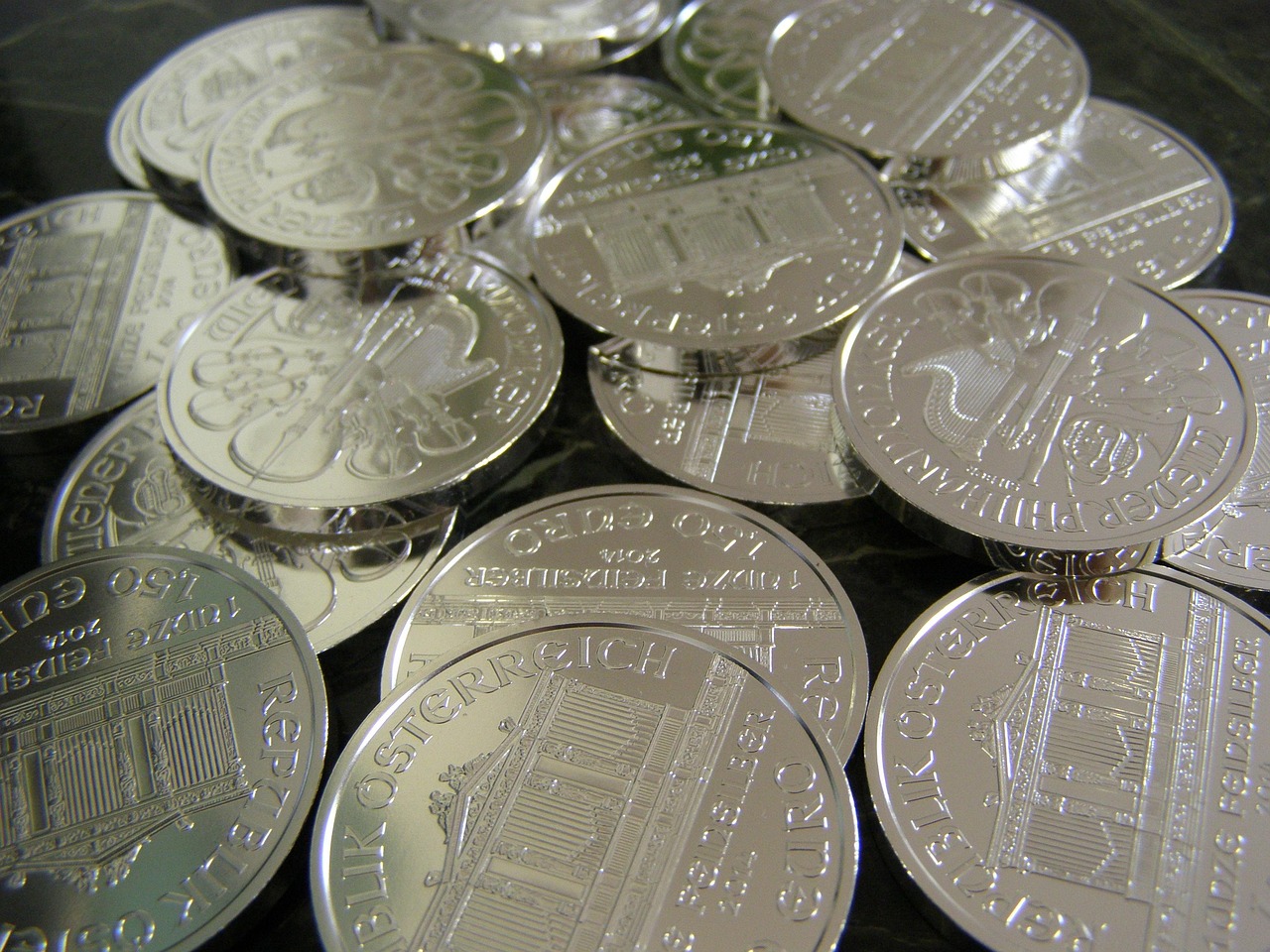
- Gold Coins: Popular options include American Eagles, Canadian Maples, South African Krugerrands. Often carry a premium above melt value due to numismatic or collector appeal.
- Pros: Direct ownership, tangible asset, no counterparty risk (if stored securely).
- Cons: Storage costs, insurance, potential higher premiums, less liquid for large amounts.
- Paper Gold / Indirect Exposure:
- Gold Exchange-Traded Funds (ETFs): Funds that hold physical gold or gold futures contracts. Trades like stocks on exchanges. Examples: GLD, IAU.
- Gold Mining Stocks: Investing in companies that mine gold. Provides exposure to gold price movements but also company-specific risks (management, operational efficiency).
- Gold Futures Contracts: Agreements to buy or sell gold at a specific price on a future date. Suitable for experienced investors due to leverage and volatility.
- Pros: High liquidity, lower storage costs (for ETFs), easy to trade.
- Cons: Counterparty risk (for ETFs), no direct ownership, company-specific risks (for stocks).
Practical Example: If you’re a long-term investor seeking portfolio diversification and concerned about inflation, investing in a low-cost gold ETF (like GLD or IAU) might be a practical choice due to its liquidity and ease of access. For those prioritizing absolute control and tangibility, physical gold bars from a reputable dealer, stored in a secure vault, might be preferred.
### Understanding Gold Price Drivers
The price of gold is influenced by a multitude of factors, making it a dynamic market:
- U.S. Dollar Strength: As gold is priced in USD, a weaker dollar typically makes gold cheaper for international buyers, increasing demand and price.
- Interest Rates: Higher interest rates make non-yielding assets like gold less attractive compared to interest-bearing alternatives.
- Inflation Expectations: Higher inflation expectations often boost gold’s appeal as a hedge.
- Geopolitical Events: Wars, political instability, and global crises drive demand for gold as a safe haven.
- Supply and Demand: Global gold production, central bank purchases/sales, and consumer demand (jewelry, industrial) all impact prices.
Actionable Takeaway: Before investing, consider your risk tolerance, investment horizon, and consult with a financial advisor to determine the most suitable gold investment strategy for your personal goals.
## The Gold Market: Supply, Demand, and Future Trends
Understanding the dynamics of gold’s supply and demand is crucial for grasping its market behavior and future trajectory. The global gold market is a complex ecosystem influenced by mining, recycling, investor sentiment, and consumer preferences.
### Global Gold Production
Gold is mined in over 70 countries, with significant contributions from a few key regions:
- Top Producing Countries: China, Australia, Russia, and the United States consistently rank among the largest gold producers.
- Mining Challenges: Gold mining faces significant challenges, including declining ore grades, rising extraction costs, stricter environmental regulations, and political instability in some mining regions. These factors contribute to the long-term scarcity of newly mined gold.
- Recycling: A significant portion of gold supply comes from recycling, particularly from old jewelry and electronic waste, highlighting the metal’s reclaimable nature.
Statistic: According to the World Gold Council, total global gold supply in 2023 was approximately 4,890 tonnes, with mine production accounting for about 3,644 tonnes and recycling contributing the rest.
### Demand Drivers
Demand for gold is multifaceted, coming from various sectors:
- Jewelry: Traditionally the largest component of gold demand, especially in countries like India and China, where gold jewelry is deeply embedded in culture and tradition.
- Investment: Demand from ETFs, bars, coins, and other investment vehicles has grown significantly, especially among institutional and retail investors seeking portfolio diversification and hedging.
- Central Banks: Central banks globally often hold gold as part of their foreign reserves, using it to diversify away from fiat currencies and bolster national financial stability.
- Technology/Industrial: The electronics, medical, and aerospace sectors maintain a steady demand for gold due to its unique properties.
### Future Outlook and Sustainability in Gold Mining
The future of gold is closely tied to sustainable practices and evolving demand patterns:
- ESG (Environmental, Social, Governance): The gold mining industry is increasingly focusing on ESG initiatives to reduce environmental impact, ensure fair labor practices, and contribute positively to local communities.
- Ethical Sourcing: Consumers and investors are demanding ethically sourced gold, putting pressure on the supply chain to provide transparency and responsible practices.
- Technological Advancements: Innovations in mining and recycling technologies aim to make gold extraction more efficient and less environmentally disruptive.
Actionable Takeaway: As an investor or consumer, considering the ethical and sustainable practices of gold producers or dealers can align your choices with responsible global citizenship.
## Practical Guide to Buying and Selling Gold
Navigating the gold market requires diligence and awareness, whether you’re buying for investment or selling cherished pieces. Understanding the nuances ensures you get fair value and avoid common pitfalls.
### Due Diligence: Reputable Dealers and Authenticity Checks
The foundation of any gold transaction is trust. Always prioritize reputable sources:
- Choose Certified Dealers: Look for dealers accredited by industry associations (e.g., Professional Coin Grading Service (PCGS), Numismatic Guaranty Corporation (NGC) for coins, or those with strong online reviews and physical presence).
- Check for Hallmarks/Assay Marks: Physical gold products (bars, coins) should have clear hallmarks indicating purity (e.g., 999.9 for 24k) and the refiner’s mark.
- Verify Authenticity:
- Weight and Dimensions: Use a precise scale and calipers to check against known specifications.
- Ping Test: For coins, a gentle tap can produce a distinctive, sustained “ping” sound unique to gold.
- Magnet Test: Gold is not magnetic. If a strong magnet sticks to it, it’s likely not pure gold.
- Professional Assay: For significant investments, consider an independent assay by a professional.
- Read Contracts Carefully: Understand all terms, conditions, and fees before committing to a purchase or sale.
Practical Example: When buying a 1 oz American Gold Eagle coin, compare its exact weight (33.931 grams), diameter (32.7 mm), and thickness (2.87 mm) against official specifications. Also, ensure the distinct reeded edge and intricate design details are crisp and clear, as counterfeits often have duller details.
### Storage Solutions
Secure storage is paramount for physical gold to protect your investment:
- Home Safe: Suitable for small amounts, but ensure it’s fireproof, bolted down, and out of plain sight. Inform your insurance provider.
- Bank Safe Deposit Box: Offers robust security and protection against theft and fire. Limited access hours and specific insurance coverage should be noted.
- Third-Party Depositories: Specialized, high-security vaults (e.g., Brinks, Delaware Depository) that offer professional storage and insurance, often preferred for larger holdings.
### Understanding Premiums and Spreads
- Premium: The amount you pay above the spot price of gold when buying. Premiums cover manufacturing, distribution, and dealer overhead. Smaller coins/bars often have higher premiums per ounce.
- Spread: The difference between a dealer’s buy price (bid) and sell price (ask). A narrower spread indicates a more competitive price. Always compare quotes from multiple dealers.
Actionable Takeaway: Always obtain multiple quotes when buying or selling gold and factor in premiums, spreads, and storage costs to accurately assess the total cost or return on your investment.
## Conclusion
Gold stands as an extraordinary metal, embodying a rare blend of historical significance, economic power, and technological utility. From its revered status in ancient civilizations to its critical role in modern electronics and its enduring appeal as a safe haven investment, gold consistently proves its value and versatility. Whether you’re drawn to its aesthetic beauty, its ability to preserve wealth, or its essential function in global industries, understanding gold’s multifaceted nature is key. As we navigate an ever-changing world, gold’s timeless allure and tangible benefits ensure its continued prominence, solidifying its position as a truly remarkable and indispensable element.