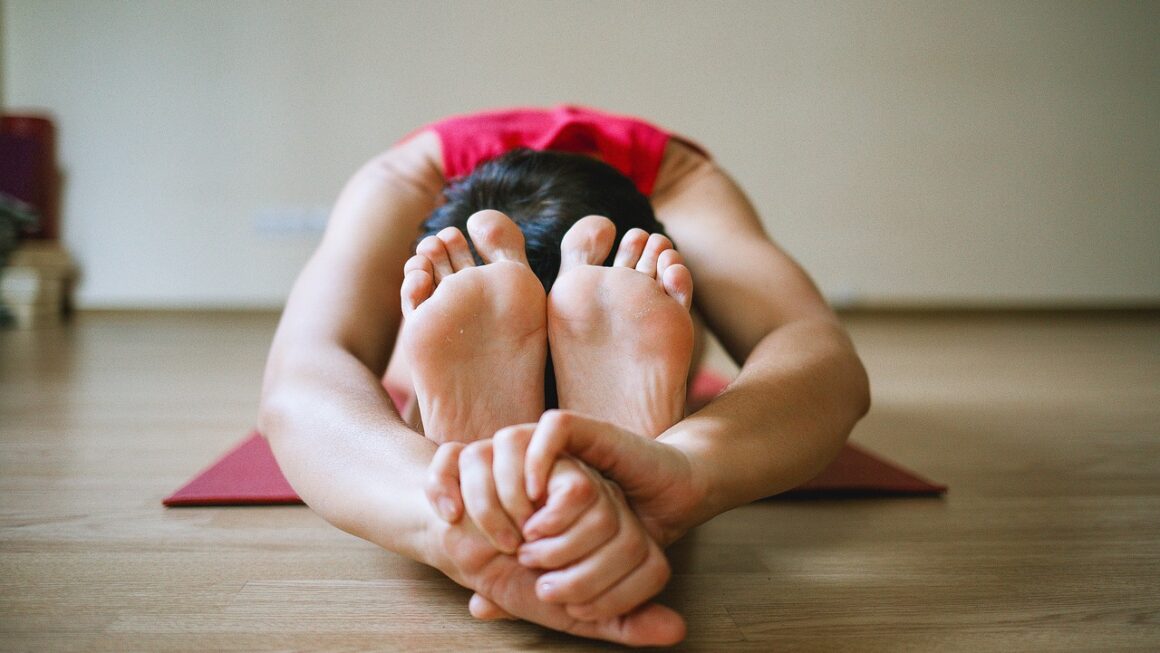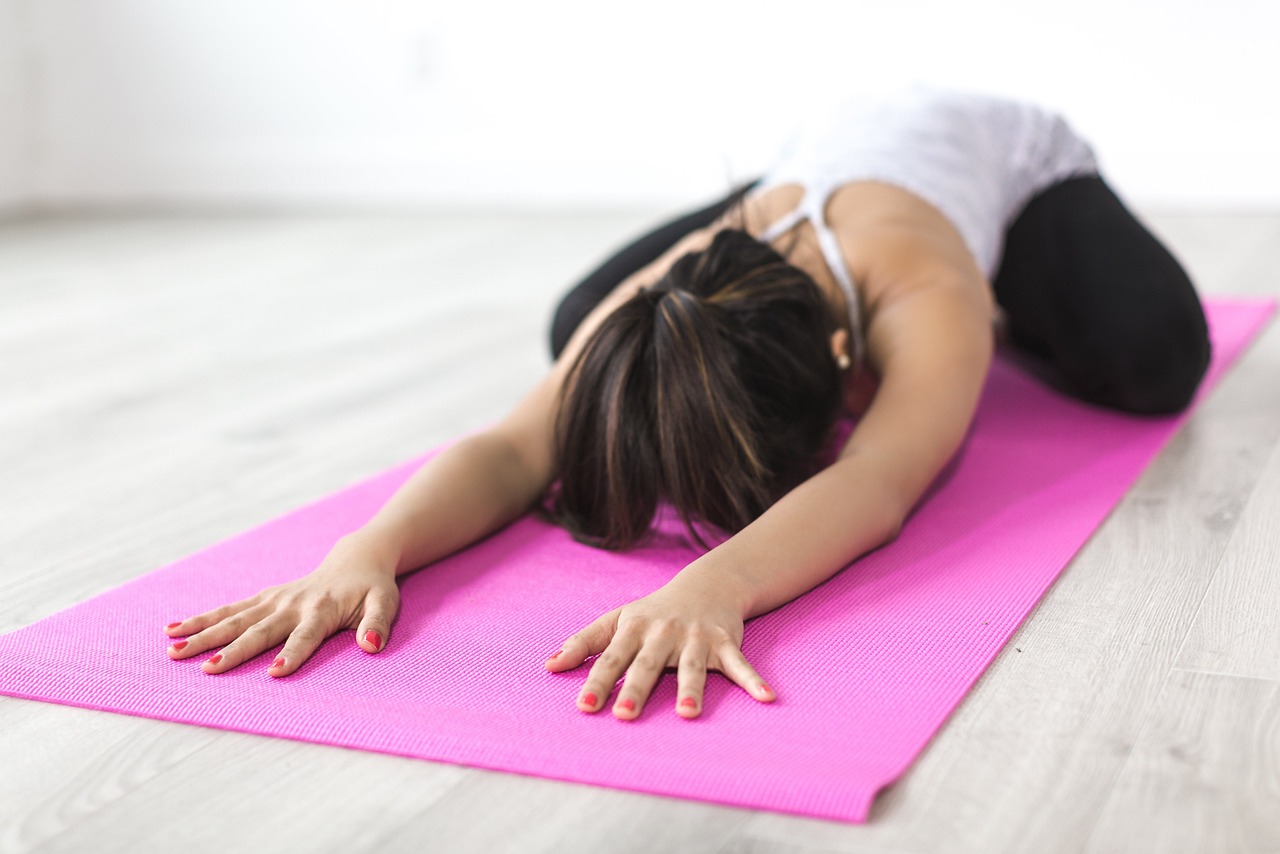
Step into a room where the air is thick with humidity and heat, the energy is palpable, and the promise of deep detoxification and profound physical transformation hangs in the air. This is the world of Bikram yoga, a distinctive and challenging hot yoga practice that has captivated millions worldwide. Far more than just a sequence of poses in a heated room, Bikram yoga offers a rigorous discipline designed to systematically work every part of the body, from the inside out. If you’ve ever wondered about the intense heat, the strict sequence, or the powerful benefits behind this iconic practice, you’re in the right place. Let’s delve deep into what makes Bikram yoga a unique and transformative journey.
The Foundations of Bikram Yoga: Heat, Sequence, and Discipline
Bikram yoga stands out with its unyielding commitment to a specific environment and a precise sequence of postures. Developed by Bikram Choudhury, this style of hot yoga is a carefully constructed system designed to bring maximum therapeutic benefit to the body.
What Defines Bikram Yoga?
- The Environment: Every Bikram yoga class is practiced in a room heated to 105°F (40.6°C) with a humidity level of 40%. This specific climate is crucial for deepening stretches, warming muscles, and facilitating detoxification through sweat.
- The 26+2 Sequence: The practice consists of 26 Hatha yoga postures and two breathing exercises, performed in a specific order. This sequence is always the same, ensuring a full-body workout that systematically targets every joint, muscle, ligament, and tendon.
- The Duration: Each class lasts exactly 90 minutes, providing ample time to move through the entire sequence twice (one set for each side of the body or repeated for maximum benefit).
- The Philosophy: Bikram yoga is often described as a “moving meditation” due to its repetitive nature and the intense focus required. It emphasizes stillness between poses and holding postures for a specific duration, promoting mental discipline alongside physical exertion.
Actionable Takeaway: Understand that the heat and sequence are not arbitrary; they are integral to the therapeutic design of Bikram yoga. Embrace the structured nature for consistent results.
Unpacking the 26+2 Series: A Journey Through the Body
The magic of Bikram yoga lies in its meticulously designed 26 postures and two breathing exercises. This sequence is not random; it’s a scientific progression that works every part of your body, creating a synergistic effect.
The Two Breathing Exercises
- Pranayama (Standing Deep Breathing): This initial exercise warms up the respiratory system, expands lung capacity, and helps prepare the body for the heat and subsequent postures.
- Kapalabhati (Blowing in Firm Pose): Performed towards the end, this breathing exercise focuses on detoxification and cleansing the respiratory system, calming the nervous system.
The 26 Postures: A Systematic Approach
The postures are divided into two main sections: the standing series and the floor series. Each pose builds upon the last, preparing the body for deeper stretches and more challenging balances.
- The Standing Series (First 12 Postures):
- Half Moon Pose (Ardha Chandrasana) with Hands to Feet Pose (Pada Hastasana): Stretches the sides of the body, spine, and hamstrings, improving flexibility and balance.
- Awkward Pose (Utkatasana): Strengthens legs, glutes, and core, improving stability and endurance.
- Eagle Pose (Garurasana): Works 14 major joints, improves balance, and promotes circulation to joints.
- Standing Head to Knee Pose (Dandayamana Janushirasana): Develops mental determination, strengthens core, and stretches hamstrings.
- Standing Bow Pulling Pose (Dandayamana Dhanurasana): A powerful posture that opens the chest, strengthens the back, and improves balance.
- Balancing Stick Pose (Tuladandasana): Strengthens the entire body, from fingertips to toes, and enhances focus.
- …and more, progressively working the spine, hips, and legs.
- The Floor Series (Last 14 Postures):
- Cobra Pose (Bhujangasana): Strengthens the spine, increases spinal flexibility, and compresses kidneys.
- Half Tortoise Pose (Ardha Kurmasana): Massages internal organs, improves digestion, and calms the mind.
- Camel Pose (Ustrasana): Deep backbend that opens the chest, stimulates the nervous system, and improves flexibility of the spine.
- Rabbit Pose (Sasangasana): Stretches the spine from top to bottom, improves digestion, and strengthens abs.
- Spine Twisting Pose (Ardha Matsyendrasana): Spinal twist that massages internal organs and improves spinal mobility.
- …concluding with Savasana (Corpse Pose) for relaxation and integration.
Practical Example: During Standing Bow Pulling Pose, the heat allows for a deeper stretch in the shoulder and hip flexors than might be possible in a cooler environment. This isn’t about forcing the body, but gently encouraging increased range of motion.
Actionable Takeaway: Focus on the alignment and breathing instructions for each pose rather than trying to achieve a “perfect” look. The sequence is designed to be accessible to all body types, with benefits derived from effort and consistency.
The Power of the Heat: Why 105°F and 40% Humidity?
The heated environment is perhaps the most distinctive and often questioned aspect of Bikram yoga. It’s not just about making you sweat; the heat and humidity serve several specific physiological purposes.
Key Benefits of the Heated Environment
- Increased Flexibility: Heat makes muscles and connective tissues more elastic and pliable, allowing for a safer and deeper stretch. Think of it like warming up plasticine – it becomes more malleable.
- Enhanced Circulation: The warmth dilates blood vessels, improving blood flow throughout the body. This delivers more oxygen and nutrients to cells and helps in the removal of metabolic waste.
- Deep Detoxification: Sweating is one of the body’s natural detoxification processes. The intense heat stimulates copious sweating, helping to flush toxins from the skin and lymphatic system.
- Cardiovascular Workout: Your heart works harder to regulate body temperature in the heat, providing a cardiovascular workout similar to light jogging. This can improve endurance and heart health.
- Injury Prevention: Warm muscles are less prone to injury during stretching. The heat acts as a natural warm-up, preparing the body for deep work.
- Mental Focus and Discipline: Practicing in a challenging environment requires heightened concentration and mental resilience, building mental toughness and discipline.
Practical Example: Imagine attempting a deep hamstring stretch in a cold room versus a warm room. The warmth of the Bikram studio allows your hamstrings to lengthen more safely and effectively, reducing the risk of strains.
Actionable Takeaway: Prioritize hydration before, during, and after class. Drink plenty of water throughout the day, not just immediately before class, to ensure your body can handle the heat safely and effectively.
Benefits Beyond the Sweat: Holistic Transformation
While the physical challenges of Bikram yoga are undeniable, its true power lies in the comprehensive benefits it offers for the body, mind, and spirit.
Physical Benefits
- Increased Flexibility and Range of Motion: The signature benefit, improving joint mobility and reducing stiffness.
- Enhanced Strength and Muscle Tone: Holding postures engages and strengthens muscles throughout the body, including core, legs, and arms.
- Improved Balance and Posture: Many postures focus on balance, which translates to better stability in daily life and a stronger, more aligned posture.
- Cardiovascular Health: The heat elevates heart rate, providing a low-impact cardio workout that strengthens the heart.
- Weight Management: Burning calories, boosting metabolism, and reducing stress can contribute to healthy weight management.
- Detoxification: Profuse sweating aids in flushing toxins, potentially improving skin clarity and overall bodily function.
- Pain Relief: Regular practice can alleviate chronic pain, especially back pain, by strengthening supporting muscles and improving flexibility.
Mental and Emotional Benefits
- Stress Reduction: The intense focus required for the practice leaves little room for daily worries, acting as a powerful stress reliever.
- Increased Focus and Concentration: The disciplined sequence and challenging environment train the mind to stay present and concentrated.
- Emotional Resilience: Pushing past perceived limits in the studio builds mental fortitude and a sense of accomplishment that carries over into everyday life.
- Improved Body Awareness: You learn to listen to your body, understand its signals, and respect its boundaries.
- Discipline and Patience: Consistent practice cultivates these virtues, benefiting all aspects of life.
Practical Example: A busy professional experiencing chronic lower back pain from sitting at a desk all day might find significant relief through regular Bikram practice, as poses like Cobra and Fixed Firm specifically target spinal health and core strength.
Actionable Takeaway: Be patient with yourself. The benefits of Bikram yoga unfold gradually with consistent practice. Don’t expect instant mastery; focus on the journey and small improvements.
Is Bikram Yoga Right For You? Getting Started and Staying Safe
While Bikram yoga offers incredible benefits, it’s not for everyone, and certain precautions should be taken. Understanding if this practice aligns with your health and fitness goals is essential.
Who Benefits Most?
- Individuals Seeking Discipline: If you thrive on routine and structure, the consistent sequence of Bikram yoga can be very appealing.
- Athletes and Dancers: The deep stretching and focus on flexibility can complement other physical activities, aiding in recovery and injury prevention.
- People with Chronic Stiffness or Mild Aches: The heat and specific stretches can significantly improve mobility and alleviate discomfort.
- Those Looking for a Mental Challenge: The intense focus required helps develop mental toughness and stress-coping mechanisms.
Important Precautions and Considerations
- Hydration is paramount: Drink plenty of water throughout the day, every day, especially on class days. Electrolyte-rich drinks can also be beneficial.
- Listen to Your Body: If you feel dizzy, nauseous, or lightheaded, it’s crucial to sit down immediately and rest. There is no shame in taking breaks.
- Medical Conditions: Consult your doctor before starting Bikram yoga if you have any pre-existing medical conditions such as heart disease, high or low blood pressure, diabetes, epilepsy, or are pregnant.
- Eat Lightly: Avoid heavy meals 2-3 hours before class. A light snack (like fruit) 1-2 hours prior can provide energy without causing discomfort.
Tips for Your First Class
- Arrive Early: Give yourself time to sign in, get changed, and acclimatize to the heat.
- Wear Appropriate Clothing: Light, breathable, moisture-wicking activewear is best. Less is often more.
- Bring Essentials: A large water bottle, a yoga mat, and a large towel (or two – one for your mat, one for you) are non-negotiable.
- Position Yourself Wisely: Many beginners prefer to practice in the back or middle of the room where they can observe others and feel less conspicuous.
- Don’t Be Afraid to Rest: It’s perfectly normal to need to sit or lie down during your first few classes. Embrace it as part of the learning process.
Actionable Takeaway: Always prioritize your health and safety. Hydrate diligently and never push through severe discomfort. Bikram yoga is about self-care, not self-harm.
Conclusion
Bikram yoga is more than just a sequence of postures; it’s a comprehensive system designed to rejuvenate the body and mind through heat, discipline, and consistent practice. From its meticulously structured 26+2 series to the profound benefits derived from the heated environment, this unique form of hot yoga offers a pathway to increased flexibility, strength, mental clarity, and overall well-being. While challenging, the rewards for those who embrace its discipline are immense, leading to a deeper connection with oneself and a renewed sense of vitality. If you’re ready to sweat, focus, and transform, Bikram yoga might just be the journey you’ve been looking for.