In a world constantly buzzing with demands and distractions, finding a sanctuary for both mind and body is more crucial than ever. Enter yoga flow – a dynamic, breath-synchronized practice that transcends mere exercise, offering a profound journey into mindful movement and inner peace. Whether you’re a seasoned yogi or curious beginner, the captivating rhythm of a yoga flow practice holds the power to transform your physical well-being, mental clarity, and spiritual connection. Let’s delve into the elegant dance of yoga flow and discover how it can enrich your life.
What is Yoga Flow? Unraveling Vinyasa Yoga
At its core, “yoga flow” often refers to Vinyasa yoga, a style characterized by its fluid, continuous movement. The term “Vinyasa” itself translates from Sanskrit as “to place in a special way,” specifically referring to the sequencing of movements coordinated with the breath.
The Essence of Breath-Synchronized Movement
- Synchronicity: Each inhale and exhale guides you into or out of a pose, creating a meditative rhythm. This isn’t just about moving; it’s about moving with your breath.
- Fluid Transitions: Unlike holding static poses for extended periods, yoga flow emphasizes smooth transitions between postures. This continuous motion elevates your heart rate and builds internal heat.
- Creative Sequencing: While some Vinyasa classes follow predictable patterns, many instructors creatively sequence poses, ensuring each class offers a fresh experience.
Yoga Flow vs. Other Yoga Styles
While all yoga aims for mind-body connection, yoga flow stands out:
- Dynamic vs. Static: It’s more dynamic than Hatha or Iyengar yoga, which often focus on precise alignment in static holds.
- Open vs. Fixed: It’s less rigidly structured than Ashtanga Vinyasa, which follows a specific, unvarying sequence.
- Accessible: Its adaptability makes it suitable for various fitness levels, with modifications easily incorporated.
Actionable Takeaway: To truly experience yoga flow, try to consciously link every movement to an inhale or an exhale. Don’t just move; breathe into the movement.
The Profound Benefits of Embracing Yoga Flow
The practice of yoga flow is a holistic endeavor, offering a myriad of benefits that extend far beyond the mat. Integrating this dynamic practice into your routine can lead to significant improvements in both your physical and mental landscapes.
Physical Enhancements
- Increased Flexibility: Regular movement through a wide range of motion helps lengthen muscles and improve joint mobility.
- Enhanced Strength: Holding challenging poses, such as Warrior series or Plank, builds core strength, upper body, and lower body muscle tone.
- Improved Balance and Stability: Balancing poses (e.g., Tree Pose, Warrior III) are integral to flow, sharpening proprioception and preventing falls.
- Cardiovascular Health: The continuous movement and elevated heart rate in a vigorous flow can improve circulation and stamina, offering a low-impact cardio workout.
- Better Posture: Strengthening core muscles and lengthening the spine naturally corrects postural imbalances.
Mental and Emotional Well-being
- Stress Reduction: The emphasis on breath and mindful movement diverts attention from stressors, activating the parasympathetic nervous system and promoting relaxation. Many practitioners report feeling calmer and more centered after a flow class.
- Enhanced Focus and Concentration: Staying present with your breath and movement trains your mind to remain in the moment, improving overall cognitive function.
- Emotional Regulation: Yoga provides a safe space to process emotions, allowing for their gentle release and fostering greater emotional resilience.
- Mind-Body Connection: Through conscious movement and breathwork, you develop a deeper understanding and appreciation of your body’s signals and needs.
Actionable Takeaway: Commit to just 2-3 sessions of yoga flow per week. Even short, consistent practices (20-30 minutes) can yield noticeable improvements in your physical agility and mental clarity within a month.
Exploring Different Styles of Yoga Flow
While “yoga flow” is often synonymous with Vinyasa, it’s a broad category encompassing various dynamic styles, each with its unique flavor and focus. Understanding these differences can help you find a practice that resonates most with your goals and energy levels.
Classic Vinyasa Flow
- Characteristics: This is the most common interpretation of yoga flow, offering creative sequences that link poses fluidly. Classes vary widely based on the instructor’s style, music choice, and specific focus (e.g., hip opening, inversions).
- Example: A typical Vinyasa class might build from Sun Salutations into standing sequences, then move to floor work and a cool-down, all synchronized with breath.
Power Yoga
- Characteristics: Often a more vigorous and fitness-oriented offshoot of Ashtanga, Power Yoga emphasizes strength, stamina, and calorie burning. It tends to be faster-paced with challenging sequences.
- Example: Expect longer holds in strength-building poses, more repetitions, and dynamic transitions that push your physical limits, often incorporating arm balances and inversions.
Ashtanga Vinyasa
- Characteristics: The traditional source of Vinyasa, Ashtanga follows a specific, fixed sequence of poses (the Primary Series, Secondary Series, etc.) that is always performed in the same order. It’s highly disciplined and builds heat quickly.
- Example: Each posture is linked by specific “Vinyasas” (a short sequence of movements between sides or poses), emphasizing consistency and deep focus.
Slow Flow and Mindful Flow
- Characteristics: These styles maintain the breath-to-movement connection but at a much slower pace. The emphasis is on lingering longer in poses, deeper introspection, and mindful transitions rather than rapid movement.
- Example: A slow flow might hold each pose for 5-8 breaths, allowing you to fully explore the alignment and sensation, promoting greater flexibility and mental calm.
Actionable Takeaway: Don’t be afraid to try different “flow” classes at local studios or online. A Power Yoga class might invigorate you on one day, while a Slow Flow could be exactly what you need for restoration on another.
Crafting Your Own Yoga Flow: Tips for Home Practice
While studio classes offer guidance and community, developing a home yoga flow practice can be incredibly empowering. It allows for flexibility, personalization, and a deeper connection to your own body’s needs.
Setting Up Your Sacred Space
- Clear Area: Ensure you have enough room to extend your limbs in all directions without hitting furniture.
- Comfortable Surface: A good quality yoga mat provides cushioning and grip.
- Minimize Distractions: Turn off your phone, consider calming music or silence, and ensure a comfortable room temperature.
- Props (Optional): Blocks, straps, blankets, and bolsters can enhance your practice by providing support, deepening stretches, or aiding relaxation.
Building a Basic Flow Sequence (An Example)
A balanced flow typically includes warm-up, standing poses, balance, seated poses, and a cool-down.
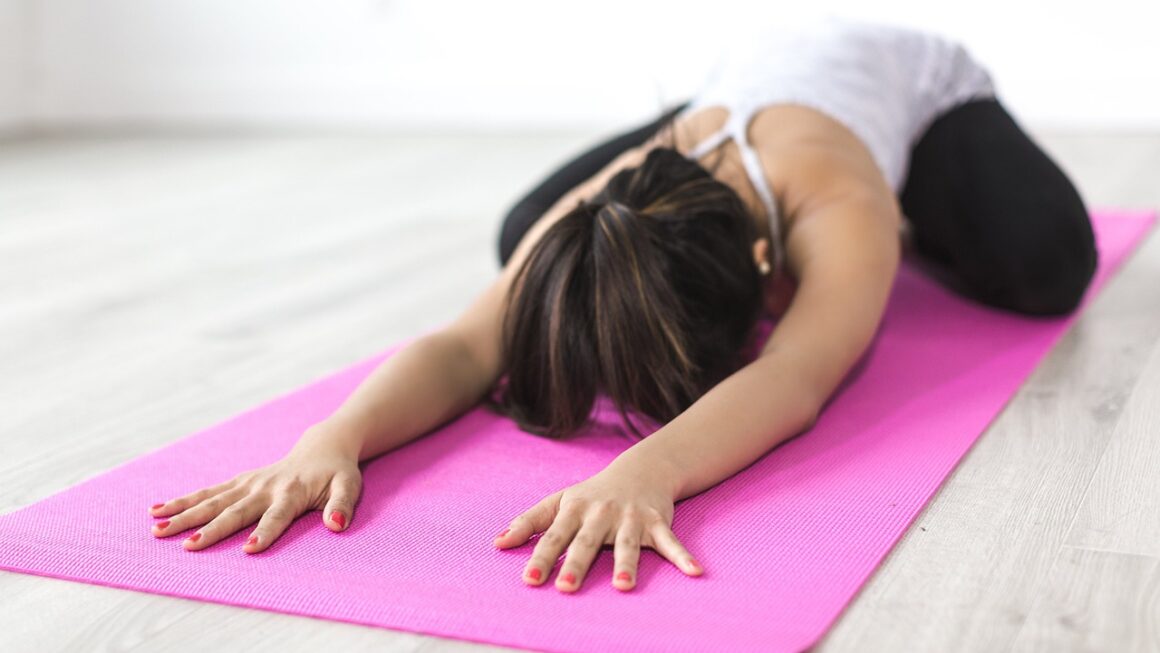
- Warm-up (5-10 minutes): Gentle Cat-Cow, Child’s Pose, easy twists, Sun Salutation A (2-3 rounds).
- Standing Sequence (15-20 minutes): Build from Sun Salutation B into Warrior I, Warrior II, Reverse Warrior, Triangle, Half Moon (each side).
- Balance & Core (5-10 minutes): Tree Pose, Eagle Pose, Boat Pose.
- Seated/Floor Work (10-15 minutes): Forward Folds (Paschimottanasana), Twists (Marichyasana C), Pigeon Pose (hip opener).
- Cool-down (5-10 minutes): Supine Spinal Twist, Happy Baby, Legs Up the Wall.
- Savasana (5-10 minutes): Final resting pose, allowing your body to integrate the practice.
Listening to Your Body and Adapting
Trust your intuition: What feels good today might be different tomorrow. Modify poses if you feel pain or discomfort. Use props to support you, not just to deepen a pose. Remember, yoga is not about perfection, but about presence.
Actionable Takeaway: Start small. Even 15-20 minutes of mindful movement at home is a powerful start. Use online resources like YouTube channels (e.g., Yoga With Adriene, Boho Beautiful) to guide your initial home flows.
Common Mistakes to Avoid and How to Deepen Your Practice
As with any practice, there are common pitfalls to be aware of and strategies to help you evolve your yoga flow journey, moving beyond the surface level to a richer, more profound experience.
Mistakes to Sidestep
- Holding Your Breath: The most common error in flow. Remember, the breath is the anchor. If you’re holding your breath, you’re likely moving too fast or straining too hard.
- Rushing Transitions: Flow is about the journey between poses, not just the destinations. Rushing can lead to injury and diminishes mindfulness.
- Ignoring Discomfort/Pain: “Good discomfort” (like a stretch) is okay; sharp, pinching, or burning pain is not. Always back off if you feel pain.
- Comparing Yourself to Others: Yoga is deeply personal. Focus on your mat, your breath, and your body’s unique capabilities, not on what others are doing.
- Focusing Only on Physicality: While the physical benefits are undeniable, remember the practice’s deeper dimensions of mental clarity and spiritual connection.
Strategies to Deepen Your Flow Practice
- Embrace the Pause: Sometimes, slowing down a flow and holding poses for a few extra breaths can reveal new sensations and strengthen your mind-body connection.
- Explore Advanced Modifications: Once you’re comfortable with foundational poses, gently explore variations like deeper twists, arm balances (e.g., Crow Pose), or inversions (e.g., Headstand prep). Always learn these with a qualified instructor first.
- Integrate Pranayama: Conscious breathwork (pranayama) beyond just linking breath to movement can significantly enhance your flow, improving energy and focus.
- Practice with Awareness (Drishti): Choose a soft gaze point (drishti) to enhance concentration and balance during your flow.
- Off-the-Mat Mindfulness: Carry the principles of yoga – mindfulness, non-judgment, compassion – into your daily life. The flow doesn’t end when you roll up your mat.
Actionable Takeaway: Be patient and kind to yourself. Yoga is a lifelong journey, not a destination. Celebrate small victories and approach challenges with curiosity rather than frustration.
Conclusion
Yoga flow is far more than a trend; it’s a timeless practice that weaves together movement, breath, and mindfulness into a beautiful, transformative tapestry. From building physical strength and flexibility to cultivating mental peace and emotional balance, the benefits of embracing a dynamic yoga flow are profound and far-reaching. By understanding its essence, exploring its variations, and cultivating a mindful approach, you can unlock a practice that not only invigorates your body but also nurtures your soul. Roll out your mat, connect with your breath, and allow the powerful rhythm of yoga flow to guide you toward a more centered, vibrant you.