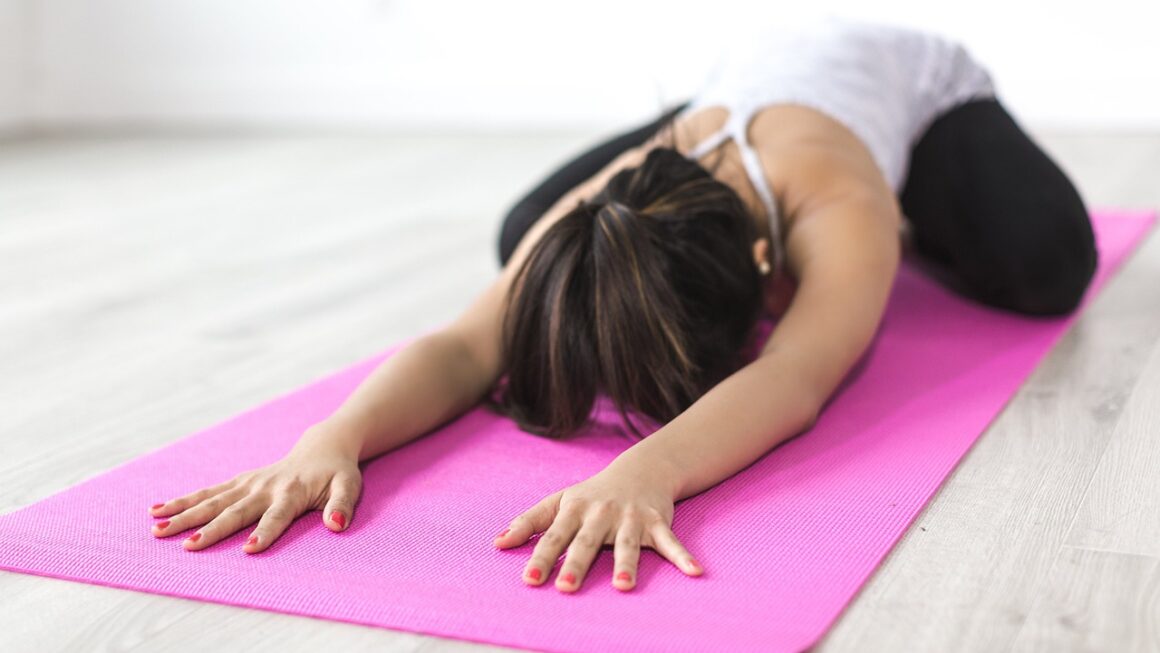
The forward fold, known in Sanskrit as Uttanasana, is far more than just a simple stretch. It’s a foundational posture in yoga and a universally accessible movement that offers a profound array of physical, mental, and emotional benefits. From unraveling tension in tight hamstrings to calming a busy mind, this elegant bend is a gateway to greater flexibility, improved posture, and deep relaxation. Whether you’re a seasoned yogi or simply looking for a powerful way to de-stress and lengthen your body, mastering the forward fold is an invaluable addition to your wellness toolkit.
What is the Forward Fold (Uttanasana)?
At its core, the forward fold is a posture where the practitioner bends from the hips, bringing their torso towards their legs. It’s a staple in nearly every yoga style and a common movement in general stretching routines, recognized for its ability to lengthen the entire back side of the body.
Understanding the Posture
- A Universal Stretch: The forward fold is often one of the first stretches people learn, intuitively reaching for their toes to release tension.
- In Yoga: Uttanasana literally translates to “intense stretch pose” or “powerful stretch pose,” highlighting its effectiveness in creating length and release.
- Key Action: The primary movement involves hinging at the hips, keeping the spine long, rather than rounding the back. This distinction is crucial for both safety and effectiveness.
Variations and Accessibility
The forward fold isn’t a one-size-fits-all pose. It can be modified to suit all body types and flexibility levels:
- Standing Forward Fold: The most common form, typically practiced from Tadasana (Mountain Pose).
- Seated Forward Fold (Paschimottanasana): Performed from a seated position with legs extended.
- Half Forward Fold (Ardha Uttanasana): A preparatory pose where the spine is straightened parallel to the floor, often used to lengthen the spine before a full fold.
Regardless of the variation, the essence remains the same: a deep, introspective bend that invites release and surrender.
The Myriad Benefits of Forward Folding
Regular practice of the forward fold offers a comprehensive range of advantages, impacting both your physical well-being and mental state. It’s truly a full-body experience that extends beyond mere stretching.
Physical Benefits
The forward fold is a powerhouse for physical improvement:
- Deep Hamstring and Calf Stretch: One of its most recognized benefits is the significant lengthening of the hamstrings and calves, crucial for mobility and preventing injury.
- Spine Lengthening and Decompression: By allowing gravity to gently pull the torso downwards, the spine can decompress, creating space between vertebrae and relieving pressure. This can be particularly beneficial for those who sit for long periods.
- Improved Hip Flexibility: The hinge action at the hips helps to increase range of motion in the hip joints.
- Strengthens Thighs and Knees: When engaged correctly, the quadriceps activate to protect the knee joints and deepen the stretch in the hamstrings.
- Relief for Mild Back Pain: For many, especially those with tight hamstrings contributing to lower back pain, the forward fold can offer significant relief by releasing tension in the posterior chain.
- Better Posture: Regular stretching of the hamstrings and spine can contribute to a more upright and aligned posture.
Mental and Emotional Benefits
Beyond the physical, the forward fold is a powerful tool for mental well-being:
- Calms the Nervous System: Inversions (where the head is below the heart) are known to activate the parasympathetic nervous system, inducing a sense of calm and relaxation.
- Stress and Anxiety Reduction: The introspective nature of the pose, combined with gentle compression of the abdominal organs, can soothe the mind and reduce feelings of stress and anxiety.
- Improved Focus and Grounding: Turning inwards helps to quiet external distractions, fostering a sense of groundedness and mental clarity.
- Fatigue Relief: Releasing tension in the neck and shoulders, and allowing blood flow to the head, can alleviate mild fatigue.
Actionable Takeaway: Consider integrating a few minutes of forward folding into your daily routine, especially after prolonged sitting or during stressful periods, to reap these profound benefits.
How to Practice the Perfect Forward Fold (Step-by-Step Guide)
Achieving a safe and effective forward fold involves more than just bending over. Proper alignment maximizes benefits and prevents strain. Let’s break down the standing forward fold (Uttanasana) step-by-step.
Preparation is Key
- Warm-up: Always begin with a gentle warm-up. Sun Salutations, cat-cow stretches, or a brisk walk can prepare your body.
- Props: Don’t be afraid to use props! Yoga blocks can bring the floor closer to you, and a strap can help extend your reach.
Step-by-Step Instructions for Standing Forward Fold
- Start in Tadasana (Mountain Pose): Stand tall with your feet hip-width apart or together, distributing your weight evenly. Ground down through all four corners of your feet.
- Inhale and Lengthen: On an inhale, lift your arms overhead, lengthening through your side body and spine.
- Exhale and Hinge: As you exhale, begin to hinge forward from your hips, not your waist. Imagine your pelvis is a bowl of water tipping forward. Keep a long spine, leading with your chest.
- Bend Your Knees: It’s crucial to bend your knees as much as needed, especially if your hamstrings are tight. This protects your lower back and allows you to maintain a long spine.
- Lower Your Torso: Continue to fold, drawing your chest towards your thighs. Your hands can rest on your shins, blocks, the floor, or you can grab opposite elbows.
- Release Your Head: Allow your head and neck to hang heavy, releasing any tension. Look towards your shins or behind you.
- Deepen the Pose (Optional): If comfortable, you can gently straighten your legs more, ensuring you don’t lock your knees or round your back excessively. Focus on the lengthening sensation in your hamstrings.
- Hold and Breathe: Hold for 5-10 breaths, allowing gravity and your breath to deepen the stretch.
- To Exit: Inhale, come up to a half forward fold (flat back), then engage your core and slowly roll or hinge back up to standing, leading with your chest.
Common Mistakes to Avoid
- Rounding the Back: This can strain the lower back. Always prioritize a long spine over how deep you fold. Bend your knees more if necessary.
- Locking the Knees: Hyperextending your knees can put undue pressure on the joint. Maintain a micro-bend.
- Forcing the Stretch: Listen to your body. Forward fold is about release, not force. Pain is a signal to ease up.
- Holding Your Breath: Breathe deeply and evenly throughout the pose to facilitate relaxation and release.
Actionable Takeaway: Practice in front of a mirror to observe your spinal alignment. Focus on the hinge from the hips and the length of your spine, adjusting your knee bend as needed.
Variations and Modifications for Every Body
The beauty of the forward fold lies in its adaptability. There’s a version for everyone, regardless of flexibility, experience, or physical limitations.
Beginner-Friendly Modifications
If you’re new to forward folding or have tight hamstrings, these modifications will make the pose accessible and safe:
- Deep Knee Bend: This is the most important modification. Bend your knees generously until your torso comfortably rests on your thighs. This takes pressure off your lower back and allows for better spinal length.
- Hands on Blocks or Shins: If your hands don’t reach the floor, place them on yoga blocks, a chair, or your shins. The goal is to support your upper body and maintain a long spine.
- Half Forward Fold (Ardha Uttanasana): This is an excellent starting point. Keep your back flat and parallel to the floor, hands on shins or blocks. It helps to build awareness of spinal length.
- Chair Forward Fold: Sit on the edge of a chair, feet flat on the floor. Hinge forward from your hips, letting your torso drape over your thighs. This is a gentle way to decompress the spine.
Advanced Variations for Deeper Engagement
Once you’ve mastered the basic forward fold, you can explore variations that deepen the stretch and engagement:
- Binding: Grasp opposite elbows behind your legs, or interlace your fingers behind your back and let your arms fall overhead (shoulder stretch).
- Holding Ankles or Toes: With more flexibility, you can reach for your ankles, big toes (Padangusthasana), or even slide your palms under your feet (Padahastasana) for a deeper wrist and forearm stretch.
- Headstand Preparation: With hands flat on the floor, shift a little weight into your hands, feeling the strength in your arms. (Always practice headstand with guidance).
Seated Forward Fold (Paschimottanasana)
While often treated as a separate pose, the seated forward fold offers similar benefits and can be a great alternative:
- Sit with legs extended straight in front of you, feet flexed.
- Hinge from the hips, reaching for your feet, ankles, or shins. Use a strap around your feet if needed.
- Focus on maintaining a long spine, allowing your belly to draw towards your thighs.
Actionable Takeaway: Experiment with different modifications and variations to find what feels best for your body on any given day. Don’t push beyond your comfortable edge.
Integrating Forward Folds into Your Daily Routine
The beauty of the forward fold is its versatility. You don’t need a full yoga class to enjoy its benefits. Integrating this powerful stretch into your daily life can significantly enhance your flexibility, reduce stress, and improve overall well-being.
Morning Routine Kickstart
- Wake-up Stretch: Start your day with a gentle forward fold to awaken your spine and lengthen your hamstrings. This can help shake off morning stiffness and energize your body.
- Mindful Breathing: Combine your morning fold with deep, conscious breaths to set a calm and focused tone for the day ahead.
Desk Breaks and Post-Workout Recovery
- Office Relief: If you have a standing desk, a few quick standing forward folds can counteract the effects of prolonged sitting. For seated relief, a simple seated forward fold (even with legs wide or cross-legged) can decompress your spine and release tension. Aim for every 60-90 minutes.
- Post-Workout Cool-down: After activities like running, cycling, or weightlifting, your hamstrings and back can be particularly tight. A forward fold is an excellent way to gently stretch these muscles, aiding recovery and preventing soreness.
Evening Relaxation and Stress Release
- Pre-Sleep Ritual: Before bed, a forward fold can be incredibly calming. The gentle inversion helps to soothe the nervous system, preparing your body and mind for restful sleep.
- Mindfulness Moment: Use the forward fold as an opportunity for introspection. Close your eyes, focus on your breath, and allow yourself to release the day’s tensions.
Actionable Takeaway: Identify one specific time slot in your day – be it morning, midday, or evening – and commit to practicing a forward fold for 1-2 minutes. Consistency is more important than intensity.
Conclusion
The forward fold (Uttanasana) stands as a testament to the profound power of simple movements. It’s an accessible yet incredibly effective posture that offers a wealth of benefits, from increasing hamstring and spinal flexibility to calming the nervous system and reducing stress. By understanding its mechanics, embracing modifications, and integrating it mindfully into your daily routine, you unlock a path to greater physical comfort, mental clarity, and emotional well-being.
Whether you seek relief from back pain, a deeper sense of calm, or simply improved flexibility, the forward fold is a powerful ally. So, take a deep breath, hinge from your hips, and discover the transformative potential of this timeless stretch. Your body and mind will thank you.