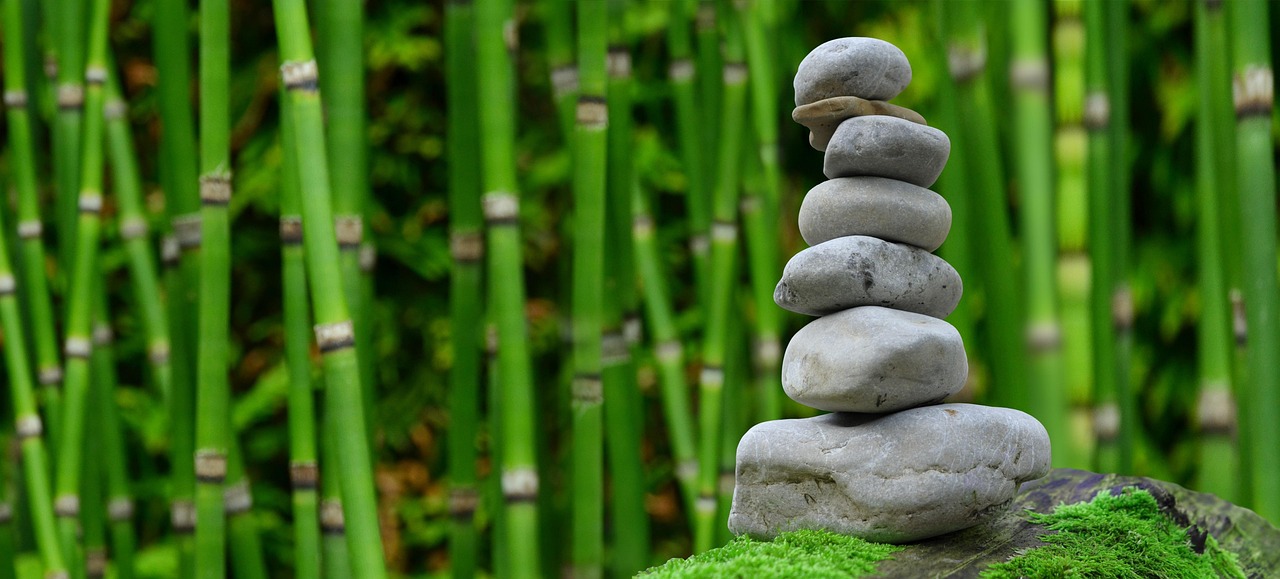
In a world that constantly demands our attention, where notifications ping, deadlines loom, and the incessant hum of activity fills our days, the concept of stillness often feels like a forgotten luxury. Yet, amidst this relentless pace, lies an invaluable truth: true productivity, profound creativity, and lasting well-being aren’t found in constant motion, but in the deliberate embrace of stillness. This isn’t about doing nothing; it’s about creating space—a mental pause, an emotional respite—that allows us to reconnect, recalibrate, and ultimately, thrive.
Understanding Stillness: More Than Just Inactivity
Often misunderstood, stillness is far more than simply sitting still or being quiet. It’s a profound state of being that encompasses mental and emotional tranquility, allowing for deep introspection and a clearer perspective.
Defining True Stillness
- Physical Stillness: The absence of external movement, often a gateway to deeper states.
- Mental Stillness: A state where the incessant chatter of the mind quietens, allowing for focused attention and a reduction in racing thoughts. This doesn’t mean an empty mind, but rather a mind that isn’t overwhelmed by internal noise.
- Emotional Stillness: A sense of calm and stability amidst life’s ups and downs, fostering emotional resilience and reducing reactivity.
Actionable Takeaway: Recognize that true stillness is an internal state, accessible even amidst external noise. Start by observing your thoughts without judgment.
The Profound Benefits of Embracing Stillness
Integrating moments of stillness into your routine can unlock a cascade of benefits that significantly enhance your overall quality of life, transforming how you think, feel, and interact with the world.
Reducing Stress and Enhancing Well-being
- Lowered Cortisol Levels: Regular practice of stillness, often through mindfulness and meditation, can help reduce the body’s primary stress hormone, cortisol. Studies show that mindfulness meditation can significantly decrease psychological distress.
- Improved Emotional Regulation: By creating a gap between stimulus and response, stillness allows you to process emotions more effectively, leading to less reactivity and greater emotional stability.
- Enhanced Mental Clarity: When the mind is still, it becomes less cluttered, making decision-making easier and fostering a sense of calm even during challenging situations.
Boosting Focus and Creativity
- Sharpened Concentration: In a world of constant distractions, stillness trains your brain to focus, improving your ability to concentrate on tasks and resist interruptions.
- Unleashing Creative Flow: Many artists, writers, and innovators report that their best ideas emerge during periods of quiet reflection and stillness. It allows the subconscious mind to work, connecting disparate ideas and fostering breakthroughs.
- Better Problem-Solving: Stepping away from a problem and entering a state of stillness can often reveal solutions that were obscured by overthinking or mental agitation.
Actionable Takeaway: Dedicate 5-10 minutes each day to quiet contemplation. Notice how even short periods of stillness can reduce feelings of overwhelm and boost your focus.
Practical Pathways to Cultivating Stillness in Daily Life
Stillness isn’t an elusive state reserved for monks on mountaintops; it’s a practice you can integrate into your everyday existence. Here are practical techniques to help you cultivate it.
Mindfulness and Meditation
- Guided Meditations: Use apps like Calm, Headspace, or Insight Timer to learn basic meditation techniques, focusing on breath and body sensations. Even 5 minutes daily can make a difference.
- Mindful Breathing: Simply pay attention to your breath—the sensation of air entering and leaving your nostrils, the rise and fall of your chest or abdomen. This anchors you to the present moment.
- Body Scans: Lie down and systematically bring your awareness to different parts of your body, noticing any sensations without judgment. This enhances body awareness and promotes relaxation.
Creating Moments of Stillness
- Digital Detox Breaks: Schedule periods where you turn off notifications, put away your phone, and disconnect from screens. Use this time for reflection, reading, or simply being.
- Nature Immersion: Spend time outdoors, truly observing your surroundings. Listen to the birds, feel the breeze, notice the details of plants. Nature inherently encourages a slower pace.
- The “Stillness Space”: Designate a quiet corner in your home or office as your personal sanctuary. Keep it clutter-free and use it specifically for moments of reflection, reading, or meditation.
Actionable Takeaway: Choose one practical pathway this week—perhaps a 5-minute guided meditation or a 15-minute screen-free walk in nature—and commit to it daily. Observe the subtle shifts in your mental state.
Stillness as a Catalyst for Personal Growth and Productivity
Far from being a passive state, stillness is an active ingredient in personal development, enhancing self-awareness and driving more effective work.
Enhancing Self-Awareness and Introspection
- Clarifying Values: Stillness provides the mental space to reflect on what truly matters to you, helping align your actions with your core values and life purpose.
- Understanding Reactions: By observing your thoughts and emotions without immediate reaction, you gain insight into your triggers and patterns, fostering greater self-mastery.
- Cultivating Intuition: When the mental noise subsides, your inner wisdom or intuition often becomes clearer, guiding you towards better decisions and creative solutions.
Boosting Sustainable Productivity
- Preventing Burnout: Regular periods of stillness act as mental resets, recharging your cognitive batteries and preventing the exhaustion that comes from constant activity.
- Strategic Planning: Major decisions and strategic planning benefit immensely from a calm, still mind. It allows for clearer foresight and a more holistic view of challenges and opportunities.
- Focused Work Sprints: Interspersing deep work sessions with short breaks of stillness can improve focus and maintain high-quality output throughout the day, preventing cognitive fatigue.
Actionable Takeaway: Before starting a new task or making an important decision, take 2 minutes of complete stillness to clear your mind. Notice how this small pause can improve your clarity and intention.
Overcoming Common Obstacles to Stillness
Embracing stillness isn’t always easy. Modern life presents numerous hurdles, but with awareness and strategy, these can be overcome.
Navigating the Inner Critic and Restlessness
- Acceptance, Not Resistance: When your mind races or feelings of restlessness arise, acknowledge them without judgment. Trying to force stillness often backfires.
- Short, Frequent Doses: If extended periods feel overwhelming, start with very short intervals—even 1 minute—and gradually increase the duration as you become more comfortable.
- Body Movement First: Sometimes, physical restlessness needs to be addressed. Go for a brisk walk or do some gentle stretches before attempting mental stillness.
Managing External Demands and Distractions
- Schedule Stillness: Just like any other important appointment, block out time in your calendar for stillness. This signals its importance and creates a dedicated slot.
- Communicate Your Needs: Inform family or colleagues about your need for quiet time. Set boundaries around your stillness practice to minimize interruptions.
- Create a Sacred Space: Designate a particular area in your home or office as a “stillness zone” where distractions are minimized, helping you mentally shift into a state of calm.
Actionable Takeaway: Identify one major obstacle you face in finding stillness. Develop a small, specific strategy to address it this week, e.g., “I will turn off my phone for 30 minutes during my lunch break to practice stillness.”
Conclusion
In a world that celebrates constant motion, the deliberate choice to embrace stillness is an act of profound self-care and strategic intelligence. It’s not about retreating from life, but about engaging with it more deeply, more mindfully, and more effectively. By cultivating moments of inner peace, we not only reduce stress and enhance our well-being but also unlock our true potential for creativity, focus, and personal growth. Start small, be consistent, and observe the transformative power of stillness unfold in your life. The quiet revolution begins within you.