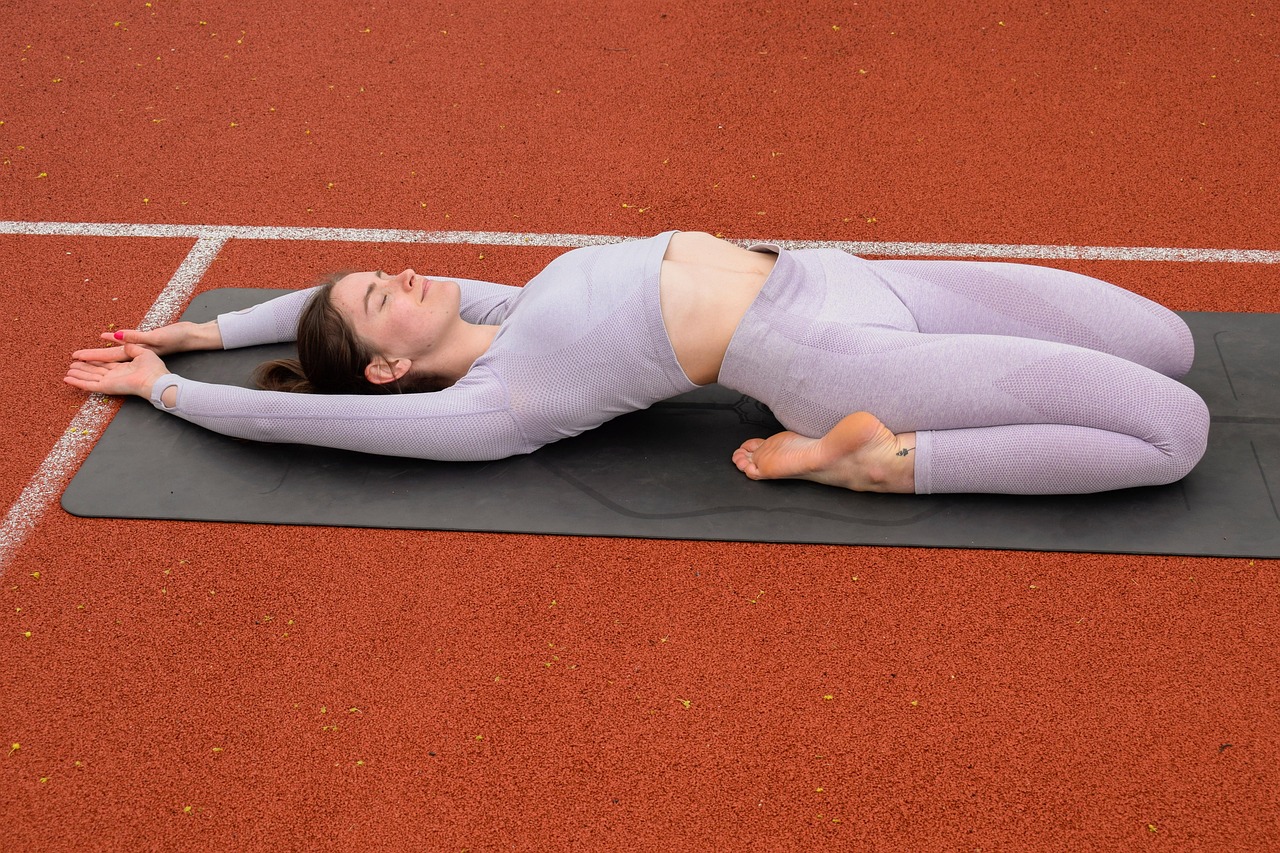
In our fast-paced, digital-centric world, it’s easy to live primarily from the neck up, disconnected from the subtle yet powerful signals our bodies constantly send. Yet, nestled within our physical form lies a profound source of wisdom, guidance, and well-being: body awareness. More than just knowing where your limbs are, body awareness is a deep, internal understanding of your physical sensations, emotional states, and energy levels. It’s the art of truly listening to your body’s language, a skill that can unlock enhanced physical health, emotional resilience, and a deeper connection to yourself. Let’s embark on a journey to explore what body awareness truly means and how cultivating it can transform your life.
What Exactly is Body Awareness?
Body awareness, at its core, is the conscious perception of your own body. It’s the ability to tune into and understand the various internal and external sensations you experience. This vital skill is fundamental to our overall health and well-being, bridging the gap between our physical selves and our mental states.
Defining the Mind-Body Connection
The concept of body awareness is deeply intertwined with the mind-body connection. It encompasses several key sensory systems that allow us to perceive our internal and external environments:
- Interoception: This is our internal sense of our body’s physiological state. It’s how we perceive hunger, thirst, pain, heart rate, breathing, and even the “gut feelings” associated with emotions. Developing interoception helps us understand our body’s needs and emotional responses.
- Proprioception: Often called the “sixth sense,” proprioception is our ability to sense the position and movement of our body and limbs in space, even without looking. It allows you to touch your nose with your eyes closed or walk without constantly looking at your feet.
- Kinesthesia: Closely related to proprioception, kinesthesia specifically refers to the awareness of the movement of our body parts. It’s the sense that tells us how our muscles are contracting and joints are bending as we perform an action.
Together, these senses form the foundation of our ability to perceive, understand, and respond to our body’s signals, leading to improved self-regulation and a more harmonious existence.
The Spectrum of Awareness
Body awareness isn’t an all-or-nothing state; it exists on a spectrum. Some individuals naturally possess a higher degree of body awareness, while others may experience a more significant disconnect. Factors like stress, trauma, sedentary lifestyles, and chronic pain can all diminish our connection to our bodies. The good news is that body awareness is a skill that can be developed and refined through consistent practice.
- Low Awareness: May involve ignoring hunger cues, pushing through pain, or not noticing muscle tension until it becomes severe.
- Moderate Awareness: An ability to identify some basic needs and sensations, but perhaps a struggle to understand their nuances or origins.
- High Awareness: A deep, nuanced understanding of internal states, emotional triggers, subtle physical shifts, and the ability to respond proactively to maintain balance.
Why Cultivating Body Awareness is Essential for Holistic Health
Investing time in developing your body awareness yields a remarkable array of benefits, impacting every facet of your life – from physical vitality to mental clarity and emotional regulation.
Enhancing Physical Well-being
A finely tuned sense of body awareness is a powerful tool for maintaining and improving your physical health.
- Improved Posture and Movement: By sensing how your body is aligned, you can correct poor posture, reduce strain, and move more efficiently, whether you’re sitting at a desk or performing athletic activities.
- Reduced Pain and Injury Prevention: Tuning into subtle aches or discomforts allows you to address issues before they escalate. You learn to respect your body’s limits, preventing injuries. For instance, a runner with high body awareness might notice a slight discomfort in their knee and adjust their stride or rest, preventing a more severe injury.
- Optimized Physical Performance: Athletes who are highly body aware can fine-tune their movements, identify areas of tension, and maximize their efficiency and power. This precise control translates to better results and less fatigue.
- Better Digestion and Sleep: Recognizing cues like hunger, fullness, or fatigue allows for healthier eating habits and better sleep hygiene.
Actionable Takeaway: Pay attention to your body’s feedback during physical activity. If something feels “off,” pause and investigate rather than pushing through. This proactive approach can save you from pain and injury down the line.
Boosting Mental and Emotional Resilience
The mind and body are intricately linked. By understanding your body, you gain profound insights into your mental and emotional states.
- Stress Reduction: Your body often registers stress before your mind consciously processes it. Tense shoulders, a clenched jaw, or a shallow breath are physical manifestations of stress. Body awareness helps you identify these early warnings, allowing you to intervene with stress-reduction techniques before stress overwhelms you. Studies show that practices enhancing body awareness can significantly reduce perceived stress levels.
- Anxiety Management: Many anxiety symptoms are physical (e.g., racing heart, stomach knots). By noticing these sensations, you can recognize the onset of anxiety and use tools like breathing exercises to calm your nervous system.
- Enhanced Emotional Regulation: Emotions often manifest as physical sensations. Fear might feel like a knot in your stomach, while anger could be heat in your face. Being aware of these bodily sensations helps you identify and process emotions more effectively, rather than suppressing or being overwhelmed by them.
- Increased Mindfulness: Body awareness is a cornerstone of mindfulness. By anchoring your attention to your physical sensations, you can stay present, reducing rumination about the past or worry about the future.
Actionable Takeaway: When you feel a strong emotion, take a moment to notice where and how it manifests in your body. This simple act can create space between you and the emotion, allowing for a more thoughtful response.
Strengthening Self-Connection and Intuition
Developing body awareness fosters a deeper, more authentic relationship with yourself.
- Greater Self-Understanding: You learn what truly nourishes you, what depletes you, and what your authentic needs are.
- Improved Decision-Making: By tuning into your “gut feelings” – those interoceptive cues that signal rightness or wrongness – you can make more aligned decisions in your personal and professional life.
- Empowerment: When you understand your body’s signals, you feel more in control of your health and well-being, leading to greater self-efficacy and confidence.
Actionable Takeaway: Before making a significant decision, close your eyes and check in with your body. Do you feel openness, lightness, or a sense of ease? Or tension, contraction, or heaviness? Trust these subtle signals as part of your internal guidance system.
Practical Pathways to Develop Your Body Awareness
Cultivating body awareness doesn’t require complex rituals; it’s about integrating simple, conscious practices into your daily routine. Consistency is key.
Mindfulness and Meditation
These practices are perhaps the most direct routes to enhancing body awareness by intentionally focusing attention on present-moment sensations.
- Body Scan Meditation: Lie down comfortably and systematically bring your attention to different parts of your body, noticing any sensations (warmth, tingling, pressure, absence of sensation) without judgment. Start from your toes and slowly move up to the crown of your head. This exercise builds your interoceptive capacity.
- Mindful Breathing: Simply focus on the sensation of your breath entering and leaving your body. Notice the rise and fall of your abdomen or chest, the coolness of the air as you inhale, the warmth as you exhale. This anchors you to the present moment and enhances awareness of a fundamental bodily function.
Practical Tip: Start with just 5-10 minutes a day. There are many guided body scan meditations available on apps and online platforms.
Somatic Movement Practices
Somatic practices emphasize internal bodily experience and conscious movement, helping you reconnect with your physical self.
- Yoga and Pilates: These disciplines inherently build body awareness by requiring precise movements, focused breath, and attention to alignment. They help you identify muscle engagements and areas of stiffness or weakness.
- Tai Chi and Qigong: These ancient Chinese practices involve slow, flowing movements and deep breathing, fostering a profound sense of internal body connection and energy flow.
- Feldenkrais Method or Alexander Technique: These methods focus on improving movement patterns and posture through gentle exploration and re-education, helping individuals become more aware of habitual movements that might be causing pain or inefficiency.
- Conscious Dance: Moving freely without choreography, focusing solely on how your body wants to move, can be a powerful way to release tension and connect with internal rhythms.
Practical Tip: Even a simple daily stretch with conscious attention to how your muscles feel can be a somatic practice. Don’t just go through the motions; feel the stretch, the release, the tension.
Conscious Breathing Exercises
Breath is the bridge between your conscious and unconscious mind, and a direct portal to body awareness.
- Diaphragmatic Breathing (Belly Breathing): Lie on your back with one hand on your chest and the other on your abdomen. As you inhale, let your belly rise, and as you exhale, let it fall. Your chest should remain relatively still. This deep, calm breathing activates the parasympathetic nervous system, promoting relaxation and bringing you into your body.
- Box Breathing: Inhale for a count of four, hold for a count of four, exhale for a count of four, and hold for a count of four. Repeat. This structured breathing technique is excellent for calming the nervous system and sharpening focus.
Practical Tip: Practice deep belly breathing for a few minutes before meals or whenever you feel stressed. Notice how the sensations in your abdomen change with each breath.
Everyday Sensorial Check-ins
You don’t need a special class to practice body awareness; your daily life offers countless opportunities.
- Mindful Eating: Before you eat, notice your hunger levels. As you eat, pay attention to the taste, texture, and smell of your food. Notice when you feel satisfied, not just full. This improves digestion and prevents overeating.
- Conscious Walking: As you walk, feel your feet connect with the ground, notice the movement of your legs and arms, the sway of your hips. How does your body feel with each step?
- Sensory Awareness: Pay attention to the feeling of your clothes against your skin, the temperature of the air, the sounds around you. This broadens your sensory input and grounds you in the present moment.
Practical Tip: Set a gentle reminder on your phone every couple of hours to “Check-in with your body.” Ask yourself: What do I feel right now? Where is my attention? What does my body need?
Integrating Body Awareness into Your Daily Life
Making body awareness a consistent practice means weaving it into the fabric of your everyday routines and activities.
At Your Desk: Ergonomics and Micro-Breaks
For many, work involves prolonged periods of sitting, which can lead to stiffness, pain, and a disconnect from the body.
- Ergonomic Setup: Regularly assess your workstation. Are your feet flat on the floor? Is your screen at eye level? Are your shoulders relaxed? Making these adjustments involves listening to your body’s comfort signals.
- Movement Reminders: Set an alarm to take a 5-minute break every hour. During this break, stand up, stretch, walk around, or do a few simple body awareness exercises like shoulder rolls or neck stretches. Notice how different parts of your body feel before and after these micro-breaks.
- Conscious Sitting: Even while sitting, be aware of your posture. Is your spine elongated? Are you holding tension anywhere? Gently release tension in your jaw, shoulders, and hips.
Actionable Takeaway: Treat your computer workstation as a frequent body awareness checkpoint. Use regular breaks to actively scan your body for tension and release it.
During Exercise: Intentional Movement
Whether you’re lifting weights, running, or practicing a sport, body awareness is crucial for optimal performance and injury prevention.
- Form Over Speed/Weight: Focus on the quality of your movement and the engagement of the correct muscles. Instead of just “doing” the exercise, feel which muscles are working and how your joints are moving.
- Listen to Pain Signals: Differentiate between muscle fatigue (a “good” burn) and pain (a warning sign). If something hurts, stop and reassess. Don’t push through actual pain.
- Post-Workout Scan: After your workout, take a few minutes to notice how your body feels. Where is the warmth? Where is the soreness? This helps you understand your body’s response to exercise.
Actionable Takeaway: When exercising, imagine you have an internal camera recording your movements. What would it see and feel? Use this imagery to refine your form and deepen your physical connection.
Navigating Stressful Moments: Pause and Feel
High-stress situations are prime opportunities to practice body awareness and prevent emotional overwhelm.
- The “Stop, Drop, and Feel” Method: When stress or strong emotions arise, mentally (or physically if appropriate) stop what you’re doing. Drop your attention into your body. Feel the sensations without judgment. Notice your breath, heart rate, and any areas of tension. This creates a vital pause.
- Grounding Techniques: Focus on sensations that ground you. Feel your feet on the floor, the chair beneath you, or the texture of something in your hand. This brings your awareness back to the present moment and away from overwhelming thoughts.
- Breath as an Anchor: Return to conscious breathing to regulate your nervous system. Even three deep breaths can make a significant difference in your physiological state.
Actionable Takeaway: The next time you feel overwhelmed or triggered, take a conscious pause. Ask yourself: “What is my body telling me right now?” and simply observe the answer.
Overcoming Common Hurdles to Deeper Body Awareness
While the benefits of body awareness are clear, the path to cultivating it isn’t always smooth. Many people encounter common obstacles.
The Challenge of Distraction and Busyness
In our modern world, constant stimulation and demanding schedules can make it difficult to slow down and tune in.
- Strategy: Schedule It: Just like any other important appointment, schedule short body awareness practices into your day. Even 5-10 minutes of mindful breathing or a body scan can make a difference.
- Strategy: Digital Detoxes: Reduce screen time, especially before bed. This can quiet the mind and allow for more internal focus.
- Strategy: Single-Tasking: When doing routine activities (washing dishes, walking), try to do only that one thing and pay attention to the physical sensations involved.
Discomfort with Sensations
For some, tuning into the body can bring up uncomfortable sensations, pain, or even suppressed emotions, leading to resistance or avoidance.
- Strategy: Approach with Curiosity, Not Judgment: Instead of reacting to discomfort with aversion, try to observe it with a sense of gentle curiosity. What is this sensation like? Where exactly is it? Does it change?
- Strategy: Start Small and Seek Support: If strong emotions or pain arise, begin with brief check-ins and gradually increase duration. Consider working with a therapist or a trauma-informed movement instructor who can guide you safely through these experiences.
- Strategy: Grounding Resources: Always have a grounding technique (like focusing on your feet, or a pleasant sensory input) ready to use if you feel overwhelmed.
Patience and Consistency are Key
Developing deep body awareness is a journey, not a destination. It requires consistent effort and self-compassion.
- Strategy: Celebrate Small Wins: Acknowledge every moment you successfully tune into your body, no matter how fleeting.
- Strategy: Be Kind to Yourself: There will be days when you feel more connected and days when you feel completely out of touch. Don’t judge yourself. Simply return to the practice when you can.
- Strategy: Long-Term Vision: Remember that you are building a foundational skill that will serve you throughout your life.
Actionable Takeaway: Understand that setbacks are normal. When you find yourself disconnected, gently guide your attention back to your body without self-criticism. Every moment of conscious connection is a step forward.
Conclusion
Body awareness is far more than a wellness trend; it is a fundamental human capacity that, when nurtured, unlocks profound benefits for our physical, mental, and emotional health. By consciously tuning into the intricate language of our bodies, we gain invaluable insights, enhance our resilience, prevent injury, manage stress, and make more aligned choices. From mindful breathing to somatic movement, the pathways to deeper body awareness are accessible and numerous. Start small, be consistent, and approach your body with curiosity and kindness. As you cultivate this powerful skill, you’ll discover a deeper sense of self, an unwavering inner compass, and a more vibrant, connected way of living. Reclaim your body’s wisdom – it’s a journey well worth taking.