Unleash your inner strength and embrace the grace of a rising serpent with one of yoga’s most iconic and empowering postures: Cobra Pose. Known in Sanskrit as Bhujangasana, this foundational backbend is much more than just a stretch; it’s a powerful tool for rejuvenating your spine, opening your heart, and cultivating a sense of grounded vitality. Whether you’re a seasoned yogi or taking your first steps on the mat, mastering the Cobra Pose can unlock profound physical and mental benefits, transforming your practice and your daily well-being.
Understanding Bhujangasana: The Majestic Cobra Pose
Cobra Pose, or Bhujangasana, is a cornerstone of many yoga practices, celebrated for its ability to strengthen and flex the spine. It’s a gentle yet profound backbend that forms an integral part of sequences like the Sun Salutations (Surya Namaskar).
What is Cobra Pose?
- Sanskrit Name: Bhujangasana (pronounced boo-jang-GAH-sana)
- Etymology: “Bhujanga” means serpent or cobra, and “Asana” means pose or posture. The pose mimics the graceful, upright posture of a cobra with its hood raised.
- Description: It is a prone backbend where the practitioner lifts their chest off the ground, supported by their hands and engaging their back muscles, while the lower body remains grounded.
- Purpose: Primarily designed to increase spinal flexibility, strengthen back muscles, and open the chest and shoulders.
Actionable Takeaway: Understand that Cobra Pose is about intelligent spinal extension, not just pushing up with your arms. The lift should originate from your back muscles.
Historical & Philosophical Roots
Bhujangasana has deep roots in ancient Hatha Yoga texts, recognized for its physical benefits and subtle energetic impact. Philosophically, the rising cobra can symbolize the awakening of Kundalini energy at the base of the spine, representing spiritual awakening and increased vitality.
- Ancient Wisdom: Described in classic texts like the Hatha Yoga Pradipika, highlighting its importance for physical health and meditative preparation.
- Symbolism: The cobra rising from the earth embodies strength, wisdom, and the awakening of inner potential.
Actionable Takeaway: Approach Cobra Pose not just as an exercise, but as a practice connecting you to ancient wisdom and inner strength.
The Transformative Benefits of Cobra Pose
Regular practice of Cobra Pose offers a myriad of advantages, impacting your physical structure, mental clarity, and energetic state.
Physical Benefits
- Spinal Health: Strengthens the spinal extensors (muscles along the spine), increasing flexibility and mobility. This can be crucial in counteracting the effects of prolonged sitting. Studies indicate that regular backbend practice can significantly reduce chronic lower back pain by improving muscle tone and flexibility.
- Posture Improvement: By opening the chest and shoulders and strengthening the upper back, Cobra Pose helps to correct rounded shoulders and improve overall posture, leading to a more confident stance.
- Core Engagement: While primarily a backbend, engaging the abdominal muscles helps support the spine, contributing to core stability.
- Organ Stimulation: The gentle compression and stretch in the abdominal area can stimulate organs such as the kidneys and adrenal glands, aiding digestion and potentially boosting energy levels.
- Arm and Shoulder Strength: Although the lift should primarily come from the back, the arms and shoulders are engaged to support the posture, building subtle strength.
Practical Example: If you spend hours hunched over a desk, a few minutes of Cobra Pose each day can dramatically alleviate neck and upper back stiffness, helping to restore your natural spinal curve.
Mental & Emotional Benefits
- Stress Reduction: Backbends are known to be invigorating and can help release pent-up tension and stress stored in the body. The chest-opening aspect can be particularly uplifting.
- Energy Boost: By stimulating the adrenal glands and increasing circulation, Cobra Pose can combat fatigue and provide a natural energy lift without relying on stimulants.
- Increased Confidence: An open chest and upright posture are often associated with feelings of self-assurance and openness. Practicing this pose can foster a sense of empowerment.
- Chakra Activation: Cobra Pose is believed to activate the Anahata (Heart Chakra), promoting compassion and emotional openness, and the Manipura (Solar Plexus Chakra), enhancing personal power and self-esteem.
Actionable Takeaway: Incorporate Cobra Pose into your daily routine to not only improve physical posture but also to uplift your mood and reduce stress.
Mastering the Cobra: Step-by-Step Guide and Alignment
Proper alignment is crucial to reap the full benefits of Cobra Pose and prevent injury. Follow these steps carefully.
Preparation
- Begin by lying prone on your yoga mat, belly down.
- Extend your legs straight back, tops of your feet pressing into the floor.
- Place your hands flat on the mat directly under your shoulders, fingers spread wide, elbows tucked close to your body.
- Ensure your forehead is resting on the mat, and your big toes are touching or slightly apart, engaging your legs.
Step-by-Step Instructions
- Ground Your Lower Body: Press the tops of your feet, thighs, and pubic bone firmly into the mat. This stabilizes your lower body and protects your lower back.
- Inhale and Lift: As you inhale, slowly begin to lift your head, chest, and shoulders off the mat. Focus on peeling your torso away from the floor, vertebra by vertebra.
- Engage Your Back: The primary lift should come from the strength of your back muscles, not solely from pushing with your hands. You should feel a gentle engagement in your glutes and hamstrings.
- Keep Elbows Tucked: Maintain your elbows hugging close to your body. Avoid letting them splay out to the sides.
- Shoulders Down and Back: Roll your shoulders away from your ears, creating space in your neck. Draw your shoulder blades down your back.
- Neck Alignment: Keep your neck long and in line with your spine. Gaze gently forward or slightly upward without crunching the back of your neck.
- Hold and Breathe: Hold the pose for 3-5 breaths, allowing your breath to deepen and expand your chest.
- Exhale and Release: On an exhale, slowly lower your chest, shoulders, and head back to the mat, returning to the starting position.
Practical Example: Imagine a string pulling your sternum forward and up. Your hands are there for support, but the core work is in your back and core muscles.
Key Alignment Principles
- Legs Engaged: Actively press the tops of your feet and thighs into the mat. This provides a stable foundation and prevents lower back strain.
- Pubic Bone Grounded: For a traditional Cobra, keep your pubic bone in contact with the mat. Lifting it turns the pose into an Upward-Facing Dog.
- Shoulders Down: Actively draw your shoulder blades towards each other and down your back.
- Lightness in Hands: You should feel like you could almost lift your hands off the mat without losing height, indicating your back muscles are doing the work.
- Breath Awareness: Inhale to lift, exhale to deepen or maintain the pose. Never hold your breath.
Actionable Takeaway: Prioritize mindful movement and proper alignment over how high you can lift. A smaller, well-aligned Cobra is more beneficial than a high, misaligned one.
Modifying & Deepening Your Cobra Pose
Cobra Pose is adaptable for all levels, from absolute beginners to advanced practitioners, and can be modified to suit various physical needs.
Modifications for Beginners & Specific Needs
- Baby Cobra: Lift only your head and chest a few inches off the mat, keeping your gaze downward. Your hands might lift slightly off the floor, signifying you’re relying solely on back strength. This is excellent for building foundational back strength.
- Elbows Out: If tucking elbows feels restrictive, allow them to splay out slightly, but still aim to draw them back towards your ribs.
- Using a Blanket: Place a folded blanket under your hips or pubic bone for extra cushioning if you experience discomfort.
- Gentler Backbend: Don’t lift as high. Even a small lift can be profoundly beneficial. Focus on lengthening the spine forward before lifting upward.
Practical Example: If you’re new to backbends or have a sensitive lower back, start with Baby Cobra. Practice it several times, focusing on the engagement of your back muscles, before attempting a fuller lift.
Variations for Advanced Practitioners
- Deeper Backbend: As your spinal flexibility improves, you can press more firmly into your hands to lift higher, potentially straightening your arms. However, always ensure the lift still feels supported by your back and there’s no compression in the lower spine. Your pubic bone should ideally remain grounded.
- Hands-Free Cobra: Practice lifting into Cobra without using your hands at all. Keep them hovering just above the mat. This truly emphasizes pure back strength and control.
- Holding Longer: Gradually increase the duration you hold the pose, focusing on deep, steady breaths to build endurance.
Actionable Takeaway: Listen to your body and choose the variation that challenges you appropriately without causing strain. Progress comes with consistent, mindful practice.
Addressing Injuries
While Cobra Pose is therapeutic, it’s essential to approach it cautiously with certain conditions.
- Lower Back Issues: Stick to Baby Cobra or Sphinx Pose (forearms on the mat) to protect your lumbar spine. If any sharp pain occurs, discontinue immediately. Consult a healthcare professional or experienced yoga therapist.
- Wrist Pain: If wrist pain is an issue, consider practicing Sphinx Pose or making fists with your hands instead of flat palms.
- Neck Pain: Keep your gaze neutral (looking down) and avoid tilting your head back excessively. Focus on lengthening the back of your neck.
- Pregnancy: Avoid Cobra Pose, especially in later trimesters, as it puts pressure on the abdomen.
Actionable Takeaway: Always prioritize safety over depth. If you have an existing injury or condition, consult with a doctor or a qualified yoga instructor before practicing Cobra Pose.
Common Mistakes and How to Avoid Them
Even with good intentions, practitioners can fall into common habits that diminish the benefits or even lead to discomfort. Awareness is key.
Pushing Too Much with Hands
- Issue: Relying excessively on arm strength to push up puts undue pressure on the lower back and disengages the back muscles, which are meant to be the primary movers.
- Correction: Actively engage your back muscles. Imagine pulling your chest forward and up. Your hands should feel light, as if you could lift them off the mat for a moment. Think of your arms as guides, not the main engine.
Practical Example: Try practicing Baby Cobra with your hands hovered just above the mat to truly feel your back muscles working. Then, gently place your hands down for support without transferring all the weight to them.
Lifting Too High
- Issue: Going for maximum height, especially if your pubic bone lifts off the mat, can over-compress the lower spine and transform Cobra into Upward-Facing Dog prematurely, without the necessary core and back engagement.
- Correction: Keep your pubic bone, thighs, and feet grounded. Lift only as high as your spine feels comfortable and elongated, not compressed. It’s about quality of extension, not quantity of lift.
Squeezing Shoulders to Ears
- Issue: This common mistake creates tension in the neck and upper shoulders, hindering the chest-opening benefits.
- Correction: Actively roll your shoulders down and back, drawing your shoulder blades towards each other and down your spine. Create space between your ears and shoulders, lengthening your neck.
Disengaging Legs and Glutes
- Issue: A lazy lower body can lead to an unstable foundation and put more strain on the lower back.
- Correction: Keep your legs active throughout the pose. Press the tops of your feet and thighs into the mat. A gentle engagement of the glutes (not clenching) also helps support the back.
Actionable Takeaway: Periodically check in with these common mistakes during your practice. A small adjustment can make a big difference in the effectiveness and safety of your Cobra Pose.
Integrating Cobra Pose into Your Yoga Practice
Cobra Pose is versatile and can be incorporated into various parts of your yoga sequence, offering different benefits depending on its placement.
Sequencing Ideas
- Warm-up: Begin with gentle Baby Cobras to slowly awaken and lubricate the spine before moving into deeper poses.
- Sun Salutations: Cobra Pose is a fundamental component of the Sun Salutation sequence, acting as a dynamic backbend that counteracts the forward fold.
- Peak Pose Preparation: Integrate Cobra Pose as a stepping stone to more advanced backbends like Bow Pose (Dhanurasana) or Wheel Pose (Urdhva Dhanurasana), preparing the spine for deeper extension.
- Strength Building: Hold Cobra Pose for longer durations (5-10 breaths) to build muscular endurance in the back and core.
Practical Example: After a long day of sitting, start your evening yoga practice with 3-5 rounds of gentle Cobra Pose, inhaling to lift and exhaling to lower, to release tension and wake up your spine.
Counter Poses
After any backbend, it’s essential to perform a counter pose to gently neutralize the spine and release any compression.
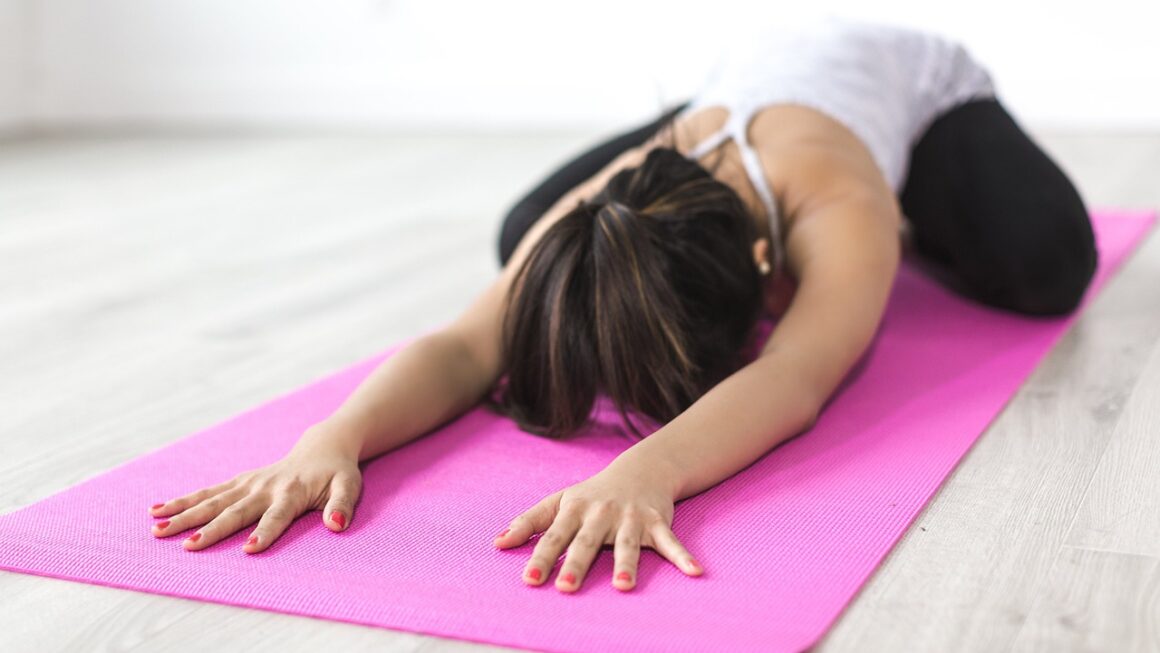
- Child’s Pose (Balasana): A deeply relaxing pose that lengthens the spine and gently stretches the lower back.
- Gentle Forward Fold: Seated or standing forward folds help to lengthen the posterior chain and release the spine.
- Knees-to-Chest Pose (Apanasana): Gently rounds the lower back and offers a soothing release.
Actionable Takeaway: Always follow Cobra Pose with a neutralizing counter pose, like Child’s Pose, to maintain spinal health and balance in your practice.
Frequency and Mindful Practice
Consistency is key to experiencing the full benefits of Cobra Pose. Aim to practice it regularly, whether daily or several times a week.
- Listen to Your Body: Always respect your body’s limits. Some days you might lift higher, other days you might opt for a gentle Baby Cobra.
- Breath as Your Guide: Use your breath to deepen the pose and stay present. Inhale for expansion, exhale to release tension.
- Mindful Engagement: Rather than just going through the motions, actively engage the muscles, feel the stretch, and observe the sensations in your body.
Actionable Takeaway: Make Cobra Pose a mindful, consistent part of your routine. Even short, daily sessions can yield significant improvements in spinal health and overall well-being.
Conclusion
Cobra Pose, or Bhujangasana, stands as a testament to the profound power of yoga to transform both body and mind. By diligently practicing this majestic backbend, you not only strengthen and invigorate your spine but also cultivate an open heart, a calm mind, and a renewed sense of vitality. From improving posture and alleviating back pain to boosting confidence and reducing stress, the benefits are as numerous as they are impactful. Embrace the journey of mastering Cobra Pose, respecting your body’s wisdom, and allowing its ancient magic to unfold within you. Your spine, your posture, and your spirit will thank you for it.