In a world defined by constant motion and unpredictable shifts, the ability to bend without breaking—to adapt, adjust, and evolve—is no longer just a desirable trait; it’s an essential superpower. From navigating a sudden career pivot to maintaining personal well-being amidst life’s inevitable challenges, flexibility is the invisible force that allows us not just to survive, but to truly thrive. This isn’t just about touching your toes; it’s a holistic approach to life that encompasses our physical bodies, our mental resilience, our emotional intelligence, and our professional adaptability. Embracing flexibility empowers us to meet change head-on, turning obstacles into opportunities and uncertainty into a pathway for growth.
What Exactly is Flexibility? A Holistic View
Often narrowly associated with physical contortionists or yoga practitioners, true flexibility extends far beyond the limits of our ligaments and joints. It’s a multifaceted concept that underpins our capacity to respond effectively to new conditions and stimuli across all aspects of life.
Beyond the Splits: Defining Flexibility
To truly understand flexibility, we must look at its various dimensions:
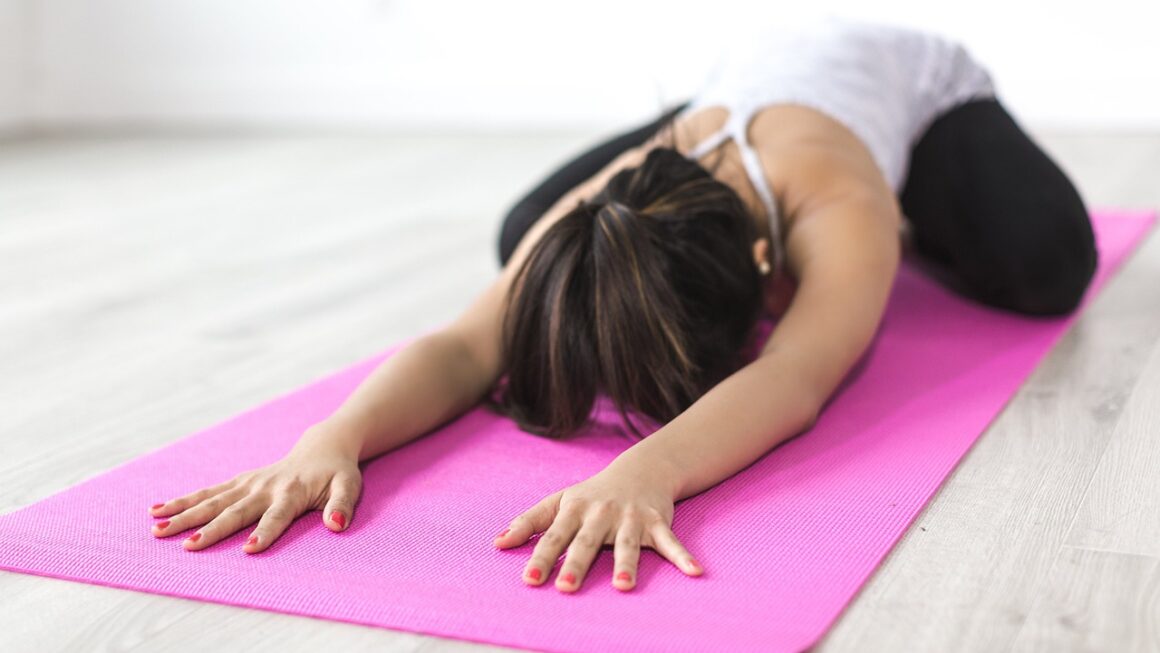
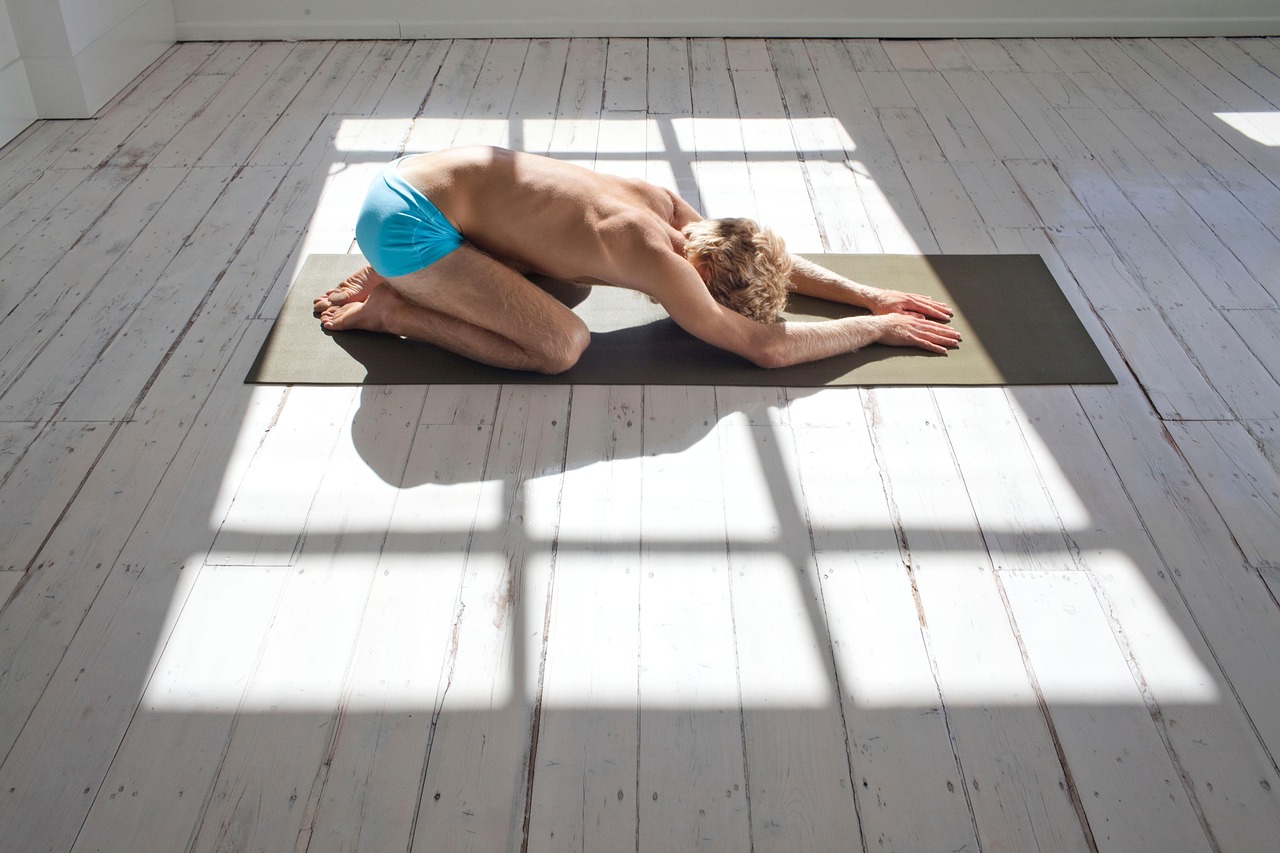
- Physical Flexibility: This is the range of motion in our joints and the extensibility of our muscles. It’s crucial for injury prevention, maintaining good posture, and performing daily tasks with ease.
- Mental Flexibility: Also known as cognitive flexibility, this is the ability to shift our thinking, adapt to new information, consider multiple perspectives, and adjust our plans when circumstances change. It’s about letting go of rigid thought patterns.
- Emotional Flexibility: This refers to our capacity to acknowledge, understand, and adapt to our own emotions and those of others. It involves emotional regulation, empathy, and resilience in the face of emotional stressors.
- Situational & Organizational Flexibility: In a broader context, this is the adaptability of systems, processes, and even entire organizations to respond to market shifts, technological advancements, or unforeseen crises. It’s the hallmark of agile teams and innovative companies.
Why Flexibility Matters More Than Ever
In today’s Volatile, Uncertain, Complex, and Ambiguous (VUCA) world, flexibility isn’t a luxury; it’s a necessity. Its importance is underscored by:
- Navigating Uncertainty: Whether it’s economic downturns or global pandemics, an adaptable mindset helps us pivot and find new solutions.
- Personal Growth & Learning: Being flexible opens us up to new experiences, diverse viewpoints, and continuous learning, fostering personal evolution.
- Enhanced Well-being: Physically, mentally, and emotionally, flexibility reduces stress, improves coping mechanisms, and contributes to a healthier, happier life.
- Professional Success: Employers increasingly value adaptable individuals who can learn new skills, embrace change, and contribute effectively in dynamic work environments.
Actionable Takeaway: Start by identifying one area (physical, mental, emotional, or situational) where you feel most rigid. Acknowledge this without judgment, as awareness is the first step to change.
The Unseen Benefits of Physical Flexibility
While often pursued for athletic performance or injury recovery, physical flexibility offers a wealth of benefits that enhance daily life for everyone, regardless of age or activity level. It’s a foundational element of holistic well-being.
More Than Just Stretching: The Health Advantages
Incorporating flexibility into your routine does more than just make you feel limber:
- Reduced Risk of Injury: Flexible muscles and joints are less prone to strains, sprains, and tears, especially during physical activity or unexpected movements. For instance, a flexible hamstring is less likely to pull during a sudden sprint.
- Improved Posture: By balancing muscle strength and flexibility, you can correct postural imbalances, reducing back and neck pain often associated with prolonged sitting.
- Decreased Muscle Soreness & Tension: Regular stretching can alleviate post-exercise muscle stiffness and reduce chronic tension held in areas like the shoulders and hips.
- Enhanced Athletic Performance: Increased range of motion allows for more powerful and efficient movements in sports, from improving your golf swing to increasing stride length in running.
- Better Circulation & Nutrient Delivery: Stretching can improve blood flow to muscles and tissues, aiding in recovery and overall cellular health.
- Stress Reduction: Mindful stretching practices, like yoga or Tai Chi, incorporate deep breathing, which calms the nervous system and reduces mental stress.
Practical Ways to Boost Your Physical Flexibility
You don’t need to become a gymnast overnight. Small, consistent efforts yield significant results:
- Daily Stretching Routine: Dedicate 10-15 minutes each day to static stretches (holding a stretch for 20-30 seconds) for major muscle groups, focusing on areas like hamstrings, hip flexors, shoulders, and chest.
- Incorporate Dynamic Stretching: Before workouts, perform dynamic movements like leg swings, arm circles, and torso twists to warm up muscles and prepare joints for activity.
- Mind-Body Practices: Explore yoga, Pilates, or Tai Chi classes. These disciplines are specifically designed to improve flexibility, strength, and balance simultaneously.
- Foam Rolling or Self-Massage: Use tools like foam rollers or massage balls to release muscle knots and improve tissue elasticity, effectively giving yourself a deep tissue massage.
- Stay Hydrated & Nourished: Well-hydrated muscles are more pliable. A balanced diet rich in anti-inflammatory foods also supports muscle and joint health.
- Consistency is Key: It’s more effective to stretch for 5-10 minutes daily than to do an intense hour-long session once a week.
Actionable Takeaway: Integrate a simple 5-minute stretching routine into your morning or evening. Focus on one or two tight areas and hold each stretch for 30 seconds. Look up “beginner stretching routine” videos online for guidance.
Cultivating Mental and Emotional Agility
Our minds and emotions, much like our bodies, can become rigid if not regularly exercised and adapted. Mental and emotional flexibility are crucial for navigating complex situations, building stronger relationships, and maintaining inner peace.
The Resilient Mind: Navigating Life’s Curveballs
A flexible mind and a well-regulated emotional landscape provide immense advantages:
- Enhanced Problem-Solving: Mentally flexible individuals can approach problems from multiple angles, generate creative solutions, and pivot strategies when initial attempts fail.
- Reduced Stress & Anxiety: The ability to adapt to change and reframe challenging situations reduces feelings of being overwhelmed and improves coping mechanisms.
- Improved Decision-Making: Flexible thinkers are less prone to cognitive biases, allowing for more objective and informed choices.
- Stronger Relationships: Emotional flexibility fosters empathy, better communication, and the capacity to understand and respond constructively to others’ feelings and perspectives.
- Greater Resilience: When setbacks occur, mentally and emotionally flexible individuals bounce back faster, viewing failures as learning opportunities rather than insurmountable roadblocks.
Strategies for a More Flexible Mindset
Developing mental and emotional flexibility is an ongoing practice, but there are concrete steps you can take:
- Practice Mindfulness & Meditation: These practices train your mind to observe thoughts and feelings without judgment, creating space for conscious responses rather than reactive ones. Even 5-10 minutes daily can make a difference.
- Challenge Your Assumptions: When faced with a problem or a difference of opinion, actively question your ingrained beliefs. Ask yourself: “What if the opposite were true?” or “What other explanations could there be?” This is cognitive reframing.
- Embrace a Growth Mindset: Adopt the belief that your abilities and intelligence can be developed through dedication and hard work (as coined by Carol Dweck). View challenges as opportunities to learn, not tests of innate ability.
- Seek Diverse Perspectives: Engage with people who have different backgrounds, beliefs, and experiences. Read widely, travel, and actively listen to understand viewpoints that differ from your own.
- Develop Emotional Regulation Skills: Learn techniques like deep breathing, journaling, or taking a “pause” before reacting when strong emotions arise. This allows you to choose your response rather than being controlled by your emotions.
Actionable Takeaway: The next time you encounter an unexpected change or a frustrating situation, pause for a moment. Instead of immediately reacting, ask yourself, “What’s another way to look at this?” or “What’s one small adjustment I can make right now?”
Flexibility as a Cornerstone of Modern Professional Success
In today’s rapidly evolving job market, the rigid, “do-it-by-the-book” approach is quickly becoming obsolete. Organizations and individuals alike are realizing that adaptability is paramount for sustained growth and innovation.
The Agile Professional: Thriving in Dynamic Work Environments
For individuals, professional flexibility manifests in several critical ways:
- Adaptability to New Technologies & Processes: The ability to quickly learn and adopt new software, tools, and methodologies (e.g., transitioning to a new CRM system or collaborating on a new digital platform).
- Crisis Management & Problem-Solving: Remaining calm and resourceful when unexpected challenges arise, such as a project setback or a sudden market change.
- Collaboration Across Diverse Teams: Working effectively with colleagues from different departments, cultures, or geographic locations, and adjusting communication styles as needed.
- Continuous Learning & Upskilling: Proactively seeking out training and development opportunities to stay relevant and expand one’s skill set, understanding that learning never stops.
- Work-Life Integration: Adapting personal and professional schedules to meet demands, whether through flexible hours, remote work, or managing personal commitments alongside professional ones.
Fostering Flexibility in Organizations
Companies that prioritize flexibility often outperform their less adaptable counterparts. They do this by:
- Embracing Remote & Hybrid Work Models: Offering employees the autonomy to choose where and how they work, increasing satisfaction and often productivity. A 2023 Gallup study found that hybrid employees report higher engagement than fully on-site workers.
- Implementing Cross-Functional Training: Equipping employees with a broader range of skills, making teams more resilient to staff changes and able to tackle diverse projects.
- Adopting Agile Methodologies: Project management frameworks like Scrum or Kanban break down work into iterative cycles, allowing teams to respond quickly to feedback and changing requirements.
- Promoting Open Communication & Feedback Loops: Creating a culture where ideas are shared freely, and feedback is regularly sought and given, enabling rapid adjustments and continuous improvement.
- Leadership Modeling Flexible Behavior: Leaders who demonstrate adaptability, openness to new ideas, and a willingness to pivot inspire their teams to do the same. This could mean a CEO embracing a new technology they previously resisted.
Actionable Takeaway: Identify one work-related skill or tool that is becoming increasingly important in your industry. Commit to spending 30 minutes a week learning or practicing it. Or, when a project hits a snag, proactively suggest alternative solutions rather than waiting for direction.
Practical Steps to Weave Flexibility into Your Daily Life
Flexibility isn’t a trait you either have or don’t; it’s a muscle you can strengthen. By integrating small, deliberate practices into your routine, you can significantly enhance your adaptable nature across all aspects of life.
Small Changes, Big Impact: Actionable Tips
Here’s how to start building a more flexible you:
- Start Small with Physical Movement: Don’t aim for a full yoga class if you’re new. Instead, try a 5-minute morning stretch routine. Focus on simple movements like neck rolls, shoulder shrugs, and gentle leg stretches. Consistency is more important than intensity.
- Schedule “Mindful Moments”: Carve out 2-5 minutes each day for a brief meditation, deep breathing exercises, or simply observing your surroundings without judgment. This helps build mental space for adaptable thinking.
- Embrace “Plan B” (and C): When planning an activity, mentally consider one or two alternative scenarios or outcomes. For example, if you plan an outdoor picnic, have a backup indoor activity in mind in case of rain. This primes your mind for adaptability.
- Learn Continuously & Deliberately: Read books outside your usual genre, listen to podcasts on new subjects, or take a free online course in a completely unfamiliar field. Expanding your knowledge base naturally broadens your perspectives.
- Seek and Welcome Feedback: Actively ask for feedback on your ideas, work, and communication style. Critically evaluate it, but avoid immediate defensiveness. Understanding different viewpoints is crucial for mental and emotional flexibility.
- Experiment with Routine Deviations: Occasionally take a different route to work, try a new restaurant, or switch up your usual morning ritual. These small deviations train your brain to be comfortable with novelty and change.
- Prioritize Self-Care: Ensure you are getting adequate sleep, nutrition, and downtime. A well-rested and nourished body and mind are far more capable of handling stress and adapting to new situations. Think of self-care as fueling your flexibility engine.
- Practice “Yes, And…” Thinking: In conversations or brainstorming, instead of negating an idea with “No, but…”, try “Yes, and…” to build upon existing thoughts. This fosters a collaborative and adaptable mindset.
Actionable Takeaway: Choose one of the practical steps above and commit to practicing it for the next week. Notice how even a small shift can start to change your perspective and response to daily events.
Conclusion
Flexibility, in its truest and broadest sense, is a powerful life skill—a dynamic interplay between our physical capacity, mental agility, emotional resilience, and professional adaptability. It’s the art of gracefully navigating the inevitable twists and turns of life, allowing us to not just cope with change, but to actively harness it for growth and innovation. By intentionally cultivating physical movement, practicing mindful thought, embracing emotional intelligence, and fostering an adaptable approach to work, we unlock a profound sense of empowerment. So, embark on this journey of becoming more flexible. It’s a lifelong practice that promises not only greater success in an ever-changing world but also a richer, more peaceful, and fulfilling existence.