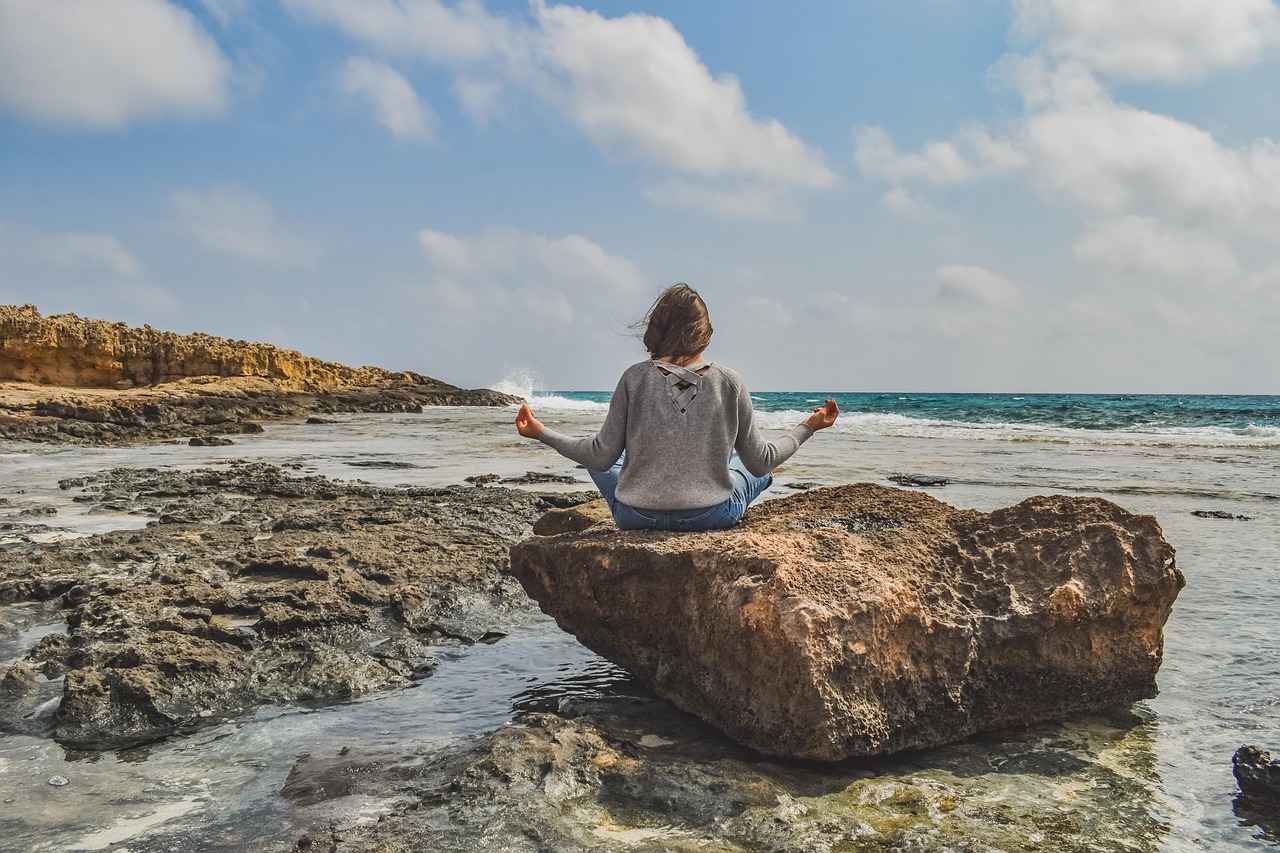
In a world that constantly demands our attention, where notifications ping, news cycles churn, and the pressure to ‘do more’ is relentless, finding a moment of quiet can feel like a luxurious impossibility. Yet, amidst this cacophony, lies an ancient and profoundly powerful concept: stillness. More than just an absence of noise or movement, stillness is an active state of presence, a deliberate pause that unlocks mental clarity, emotional resilience, and a deeper connection to ourselves. It’s not about stopping life, but about enriching it by stepping back, if only for a breath, to truly observe and understand.
The Profound Power of Stillness: Beyond Inactivity
Stillness is often misunderstood, conflated with idleness or a lack of productivity. However, true stillness is a dynamic, invigorating state that underpins genuine presence and effective action. It’s the quiet space where creativity flourishes and insight takes root.
Defining Stillness in a Noisy World
At its core, stillness is the practice of quieting the external distractions and internal chatter to connect with your innate sense of calm. It’s about being fully present, aware of the moment without judgment or the need to immediately react. Imagine the deep calm of a still lake, reflecting the sky perfectly—that’s the mental state we aim to cultivate.
- Mental Stillness: Reducing the ceaseless stream of thoughts, worries, and plans.
- Emotional Stillness: Observing emotions without being overwhelmed or swept away by them.
- Physical Stillness: Minimizing unnecessary movement, allowing the body to relax and recenter.
This state isn’t about escaping reality, but about perceiving it more clearly, free from the constant noise that clouds our judgment and dulls our senses.
The Misconception: Stillness vs. Idleness
It’s crucial to differentiate stillness from mere idleness. While idleness can lead to stagnation, stillness is a deliberate and active engagement with the present moment. It’s a strategic pause that recharges your mental and physical batteries, leading to enhanced focus and productivity when you re-engage with tasks.
Example: A writer doesn’t just stare at a blank page; they might sit in silence, allowing ideas to coalesce before putting pen to paper. An athlete doesn’t just rest; they might visualize their performance, cultivating mental stillness before a critical event. This deliberate quiet time is an integral part of their process, not a diversion from it.
The Science of Serenity: How Stillness Rewires Your Brain
The benefits of cultivating stillness aren’t just anecdotal; they are increasingly supported by neuroscientific research. Engaging in practices that foster stillness can profoundly impact our brain structure and function, leading to measurable improvements in well-being and cognitive abilities.
Neuroscientific Benefits of Quiet Reflection
Regular periods of stillness, often achieved through meditation or mindful breathing, have been shown to positively alter brain regions associated with self-awareness, attention, and emotional regulation.
- Enhanced Prefrontal Cortex Activity: This area is crucial for decision-making, planning, and focus. Stillness practices can strengthen its connectivity, leading to better executive function.
- Reduced Amygdala Activity: The amygdala is our brain’s alarm center, responsible for the fight-or-flight response. Stillness can temper its overactivity, reducing feelings of anxiety and fear.
- Increased Gray Matter Density: Studies suggest that long-term meditators have increased gray matter in areas related to attention and sensory processing, indicating a more robust and resilient brain.
Actionable Takeaway: Just 10-15 minutes of quiet reflection daily can begin to sculpt a more resilient and focused brain, proving that stillness is a powerful tool for cognitive enhancement.
Physiological Impact: Lowering Stress and Boosting Health
Beyond the brain, stillness profoundly impacts our physical health by moderating the body’s stress response. Chronic stress is a precursor to numerous health issues, and stillness offers a natural antidote.
- Lowered Cortisol Levels: Stillness practices reduce the production of cortisol, the primary stress hormone, which can improve sleep, boost immunity, and regulate blood sugar.
- Decreased Blood Pressure: By calming the nervous system, regular stillness can lead to a reduction in high blood pressure, a significant risk factor for heart disease.
- Improved Immune Function: Less stress means a stronger immune system, making the body more capable of fighting off illnesses.
Example: Imagine the difference between rushing through a chaotic morning versus starting with a few minutes of quiet breathing. The latter sets a physiological tone for calm and clarity that can carry through your entire day, reducing the cumulative impact of daily stressors.
Cultivating Inner Calm: Practical Pathways to Stillness
The good news is that cultivating stillness doesn’t require a monastic retreat. It’s a skill that can be learned and integrated into even the busiest lifestyles through simple, consistent practices.
Mindful Practices for Daily Integration
Here are practical ways to weave moments of stillness into your everyday routine:
- Mindful Breathing (5 minutes): Set a timer. Close your eyes (or soften your gaze). Focus solely on the sensation of your breath entering and leaving your body. When your mind wanders (and it will!), gently guide it back to your breath. This is the cornerstone of many stillness practices.
- Sensory Awareness (1 minute): Pick one sense and immerse yourself in it. For instance, truly listen to the sounds around you without labeling them. Or feel the texture of your clothes against your skin. This grounds you in the present moment.
- Walking Meditation (10-15 minutes): Instead of rushing, walk slowly and deliberately. Pay attention to the sensation of your feet touching the ground, the movement of your legs, and your posture. Let your surroundings simply exist without judgment.
- Mindful Eating (during any meal): Instead of eating on autopilot, take a moment before your meal to observe its appearance. Savor each bite, noticing the flavors, textures, and aromas. Chew slowly and appreciate the nourishment.
Actionable Takeaway: Start small. Choose one practice and commit to it daily for a week. Consistency, even in short bursts, builds momentum.
Digital Detox and Environmental Design
Our environment plays a significant role in our ability to find stillness. By consciously shaping our surroundings and managing our digital consumption, we create fertile ground for calm.
- Scheduled Digital Breaks: Designate specific times each day to be completely free from screens – no phone, tablet, or computer. Use this time for reading, contemplation, or a walk.
- Create a ‘Stillness Nook’: Designate a quiet corner in your home or office. Keep it tidy, free from clutter, and perhaps add a comfortable cushion, a plant, or a calming piece of art. This signals to your brain that this space is for quiet reflection.
- Silence Notifications: Turn off non-essential notifications on your devices. Each ‘ping’ is an interruption that pulls you away from the present moment.
Example: Instead of mindlessly scrolling during your commute, try closing your eyes and listening to a calming podcast or simply observing the passing scenery without attachment. Or, make your bedroom a no-screen zone to encourage deeper, more restful sleep, a vital component of inner calm.
Stillness in Motion: Integrating Peace into Your Busy Life
Stillness isn’t solely about sitting cross-legged in meditation. It’s about bringing a mindful, present awareness to everything you do, transforming mundane tasks into opportunities for inner peace and enhanced focus.
Micro-Moments of Mindfulness
You don’t need large blocks of time to experience stillness. Micro-moments, strategically placed throughout your day, can significantly shift your state of being.
- The “Three-Breath Pause”: Before opening an email, answering a phone call, or starting a new task, take three deep, intentional breaths. This short pause can reset your mind and help you approach the task with greater presence.
- Mindful Transitions: As you move from one activity to another (e.g., from a meeting to your desk, or from work to home), take a moment to consciously ‘let go’ of the previous activity and prepare mentally for the next. This prevents the mental carryover that often leads to feeling overwhelmed.
- Waiting Moments: Turn waiting in line, at a red light, or for a kettle to boil into an opportunity for stillness. Instead of grabbing your phone, simply observe your surroundings, feel your breath, and appreciate the pause.
Actionable Takeaway: Identify two routine transitions or waiting moments in your day and consciously practice a micro-moment of stillness. Make it a habit to reclaim these small pockets of time.
Stillness as a Foundation for Productivity and Creativity
Counter-intuitively, embracing stillness can dramatically boost your productivity and unlock creative potential. When the mind is clear, it’s more efficient and innovative.
- Enhanced Focus: A still mind is less prone to distraction, allowing you to dive deeper into tasks and achieve flow states more readily. This means higher quality work completed in less time.
- Problem-Solving Clarity: When faced with a complex challenge, taking a stillness break can often provide the mental space needed for solutions to emerge organically, rather than forcing them.
- Creative Breakthroughs: Many artists, scientists, and innovators attribute their “aha!” moments to periods of quiet contemplation, where ideas can connect without conscious effort.
Example: Instead of pushing through mental fatigue, take a 15-minute stillness break – perhaps a short walk without your phone, or simply sitting in silence. You’ll often return to your task feeling refreshed, with new perspectives and renewed energy, ultimately making you more productive than if you had simply powered through.
Overcoming the Resistance: Embracing Stillness in a Distracted Age
In a world designed for distraction, cultivating stillness can feel like an uphill battle. Our brains are conditioned to seek novelty and external stimulation. Understanding these obstacles and developing strategies to overcome them is key to building a sustainable stillness practice.
Common Obstacles and How to Navigate Them
Expect challenges as you embark on your journey towards stillness. It’s a natural part of the process.
- The ‘Busy’ Mind: Our minds are constantly generating thoughts.
- Solution: Don’t fight your thoughts. Acknowledge them gently, and then redirect your attention back to your chosen anchor (e.g., breath, sound). Think of thoughts like clouds passing in the sky; you observe them without getting carried away.
- External Distractions: Phones, notifications, noise, other people.
- Solution: Create a dedicated, quiet space and time. Communicate your need for uninterrupted time to others. Utilize “do not disturb” settings and earplugs if necessary.
- Impatience/Boredom: The desire for immediate results or entertainment.
- Solution: Reframe stillness as a practice, not a performance. It’s about showing up consistently. Embrace the feeling of boredom; it’s often a gateway to deeper contemplation and creativity.
- Feeling ‘Unproductive’: The societal pressure to always be doing something.
- Solution: Remind yourself that stillness is a profound form of productivity – it’s an investment in your mental, emotional, and physical capital that yields significant returns.
Actionable Takeaway: When a challenge arises, pause and observe it without judgment. Ask yourself, “What is this obstacle teaching me about my mind?” Then, apply one of the suggested solutions.
Building a Sustainable Stillness Practice
Like any valuable skill, cultivating stillness requires consistency and patience. Here’s how to build a practice that lasts:
- Start Small: Begin with 2-5 minutes of intentional stillness each day. Gradually increase the duration as you feel comfortable.
- Be Consistent: Choose a specific time each day (e.g., first thing in the morning, during your lunch break, before bed) and stick to it. Routine helps solidify the habit.
- Be Kind to Yourself: There will be days when your mind is restless, or you miss a session. Don’t criticize yourself. Simply acknowledge it and gently recommit to your practice.
- Explore Different Methods: If sitting meditation isn’t for you, try walking meditation, mindful journaling, or listening to calming music. Find what resonates.
- Track Your Progress (Optional): Notice the subtle shifts in your mood, focus, and overall well-being. This positive reinforcement can be highly motivating.
Example: Rather than aiming for an hour of perfect meditation, commit to 5 minutes of focused breathing while your coffee brews each morning. This small, consistent action builds the ‘stillness muscle’ over time, making longer periods feel more natural and beneficial.
Conclusion
Stillness is not merely a break from the relentless pace of modern life; it is a fundamental human need and a powerful resource for thriving. By intentionally creating space for quiet reflection, we unlock greater mental clarity, reduce stress, enhance creativity, and foster a deeper connection to ourselves and the world around us. Embracing stillness is not about doing less, but about being more – more present, more aware, and ultimately, more alive. Start today, even with just a few mindful breaths, and discover the profound, transformative power of this ancient practice. Your inner peace and overall well-being will thank you for it.