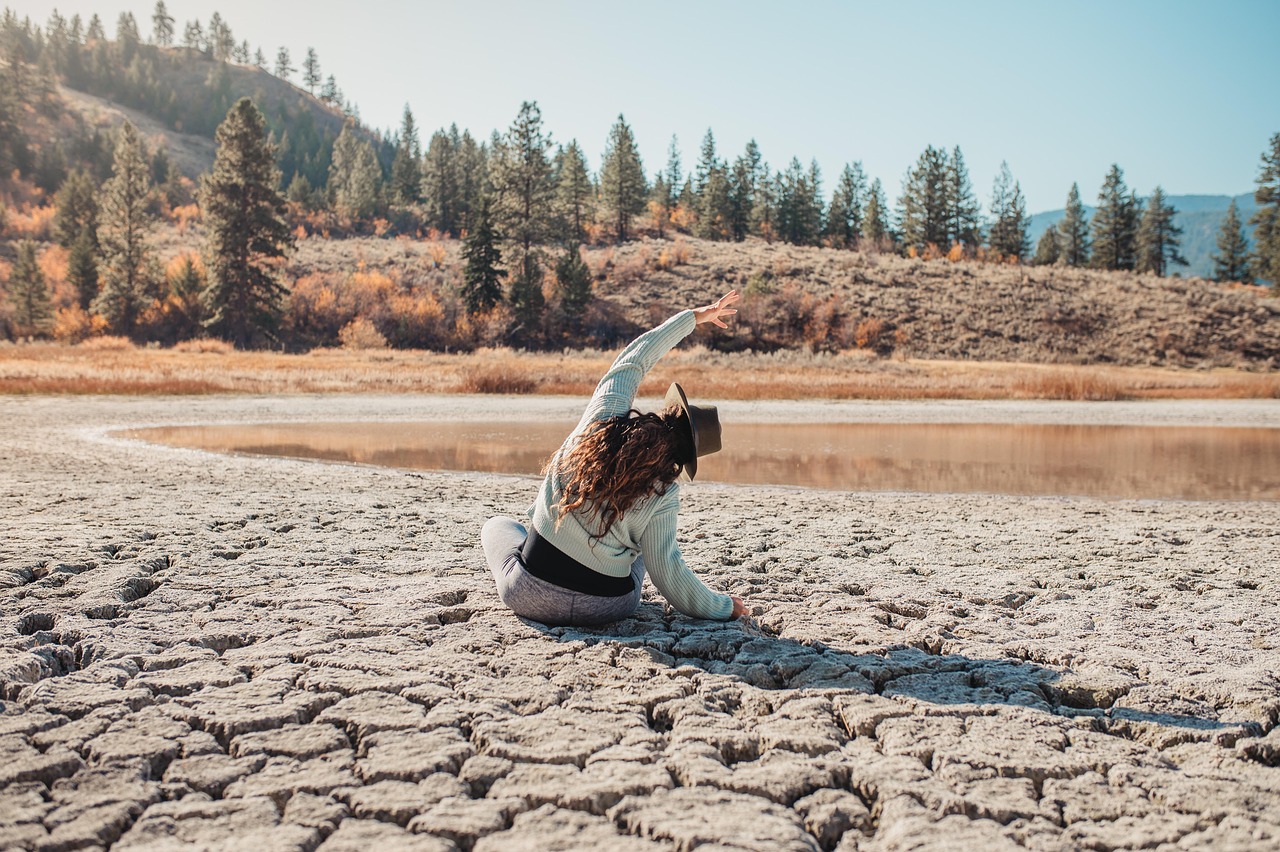
In our fast-paced world, finding moments of genuine peace and profound self-connection can feel like a luxurious rarity. We juggle endless responsibilities, often leaving us feeling depleted and disconnected from our inner selves. Imagine a sanctuary where the only agenda is your well-being, a place dedicated to rejuvenating your mind, body, and spirit. This is the essence of a yoga retreat – a transformative journey designed to pull you away from the daily grind and immerse you in a world of mindful movement, deep relaxation, and holistic healing. Far more than just a vacation, it’s an investment in your health, a reset button for your entire being, promising to leave you feeling revitalized, centered, and profoundly peaceful.
What Exactly is a Yoga Retreat?
A yoga retreat is an immersive experience that goes beyond typical yoga classes, offering a dedicated period and space for deep personal growth, relaxation, and rejuvenation through the practice of yoga, meditation, and other wellness activities. It’s a structured getaway designed to help participants disconnect from external distractions and reconnect with their inner selves.
Definition and Core Philosophy
At its heart, a yoga retreat is a temporary sanctuary from the demands of everyday life. Its core philosophy revolves around creating an environment conducive to self-discovery, healing, and skill development in yoga and mindfulness. Unlike a regular holiday, the primary focus is on personal well-being, guided by experienced instructors and often in serene, natural settings. It’s an opportunity to deepen your yoga practice, explore meditation techniques, and engage in workshops that foster holistic health.
Beyond the Mat: A Holistic Experience
While yoga is central, retreats are rarely limited to just asanas (postures). They embrace a holistic approach to well-being, understanding that true health encompasses physical, mental, emotional, and spiritual dimensions. This means activities often extend far beyond the yoga studio:
- Mindful Eating: Many retreats offer nutritious, often organic and locally sourced, meals designed to nourish the body and promote digestive health.
- Nature Immersion: Locations are frequently chosen for their natural beauty – beaches, mountains, forests – encouraging outdoor activities like hiking, swimming, or simply contemplative walks.
- Workshops: These can cover topics like Ayurvedic principles, mindful communication, breathwork (pranayama), sound healing, or journaling.
- Community Connection: Participants often form bonds with like-minded individuals, fostering a supportive and uplifting environment.
Actionable Takeaway: Consider a yoga retreat as an opportunity for comprehensive self-care, not just a physical workout. Embrace all aspects of the program for maximum benefit.
Common Activities and Offerings
While each retreat is unique, you can generally expect a structured daily schedule that balances activity with rest:
- Daily Yoga Sessions: Often twice a day (morning and evening), incorporating various styles like Hatha, Vinyasa, Yin, or restorative yoga.
- Meditation Practice: Guided meditations, mindfulness exercises, and silent reflection periods.
- Pranayama (Breathwork): Techniques to control and regulate breath, enhancing energy and calming the nervous system.
- Workshops & Discussions: Sessions on yoga philosophy, lifestyle, or personal development.
- Free Time: Essential for personal reflection, reading, journaling, or exploring the surroundings.
- Optional Activities: Massages, spa treatments, excursions, cooking classes, or one-on-one sessions with instructors.
Practical Example: A typical day might start with a sunrise Vinyasa flow, followed by a wholesome breakfast, a mid-morning meditation workshop, free time for journaling or a walk, a light lunch, an afternoon restorative yoga session, a healthy dinner, and an evening dharma talk or sound bath.
The Transformative Benefits of a Yoga Retreat
Attending a yoga retreat is a profound act of self-love, offering a myriad of benefits that extend far beyond the duration of the retreat itself. It’s an investment in your long-term well-being, fostering a deeper connection to your inner peace and resilience.
Mind-Body Connection & Stress Reduction
One of the most immediate and profound benefits of a yoga retreat is the ability to significantly reduce stress and enhance the mind-body connection. Removed from daily pressures, your nervous system can finally downshift.
- Reduced Cortisol Levels: Consistent yoga and meditation practices have been shown to lower cortisol, the primary stress hormone, leading to a calmer state of being.
- Enhanced Self-Awareness: Dedicated time for introspection helps you become more attuned to your body’s signals and emotional landscape.
- Improved Sleep Quality: With reduced stress and a balanced routine, many participants report deeper, more restorative sleep.
- Mental Clarity: Stepping away from distractions allows your mind to quiet, fostering clearer thought and decision-making.
Relevant Statistic: A recent study by the Global Wellness Institute found that the wellness tourism market is growing significantly, highlighting a global demand for experiences that offer stress reduction and mental clarity like yoga retreats.
Actionable Takeaway: Prioritize a yoga retreat as a powerful tool for stress management and mental rejuvenation, especially if you’ve been feeling overwhelmed or burnt out.
Deepening Your Practice & Skill Development
Whether you’re a complete beginner or an experienced yogi, a retreat provides an unparalleled opportunity to deepen your practice and refine your skills.
- Personalized Attention: Smaller group sizes often mean more individualized feedback from instructors, helping you correct alignment and advance your postures safely.
- Exposure to New Styles: Retreats often introduce participants to different yoga styles, meditation techniques, and philosophical concepts you might not encounter in regular classes.
- Consistent Practice: The immersive nature ensures a consistent daily practice, rapidly building strength, flexibility, and endurance.
- Understanding Yoga Philosophy: Beyond the physical, retreats delve into the deeper wisdom of yoga, offering workshops on ancient texts and ethical principles (Yamas and Niyamas).
Practical Example: A beginner might finally grasp the foundational principles of alignment in downward dog, while an advanced practitioner could explore arm balances or delve into complex breathwork techniques under expert guidance.
Digital Detox & Enhanced Mindfulness
In an age dominated by screens, the chance to truly disconnect is invaluable. Most yoga retreats encourage or even mandate a digital detox, fostering an environment of present-moment awareness.
- Freedom from Notifications: Stepping away from phones, emails, and social media liberates mental bandwidth.
- Heightened Sensory Awareness: Without digital distractions, you become more attuned to your surroundings – the sounds of nature, the taste of food, the feeling of your breath.
- Cultivating Presence: The focus on mindfulness practices helps you savor each moment, reducing rumination about the past or anxiety about the future.
- Improved Focus and Concentration: A break from constant stimulation can significantly improve your ability to concentrate and engage deeply with tasks upon your return.
Actionable Takeaway: Embrace the digital detox aspect of a retreat wholeheartedly. Inform your contacts in advance and truly allow yourself to disconnect to reconnect.
Choosing the Right Yoga Retreat for You
With an increasing array of options available, selecting the perfect yoga retreat can feel daunting. However, by clarifying your intentions and considering key factors, you can find an experience that truly resonates with your needs and aspirations.
Defining Your Intentions
Before you even start browsing, take some time to reflect on what you hope to gain from the experience. This clarity will be your compass.
- What is your primary goal? (e.g., stress relief, deepening your yoga practice, weight loss, healing from burnout, spiritual growth, adventure, social connection, digital detox).
- What is your current yoga experience level? (beginner, intermediate, advanced).
- What kind of environment do you crave? (silent, social, luxurious, rustic, adventurous).
- How much time do you have? (weekend, week-long, extended stay).
Practical Example: If your goal is deep relaxation and stress relief, a quiet, restorative yoga retreat with meditation and spa treatments might be ideal. If you’re an experienced yogi looking to challenge yourself, an advanced Vinyasa or Ashtanga retreat with specific skill workshops could be more suitable.
Types of Retreats (Luxury, Adventure, Silent, Themed)
The diversity of yoga retreats is vast, catering to almost any preference:
- Luxury Retreats: Often set in five-star resorts, offering gourmet cuisine, high-end spa facilities, and personalized services alongside yoga.
- Adventure Retreats: Combine yoga with activities like hiking, surfing, paddleboarding, trekking, or cultural excursions in exotic locales.
- Silent Retreats: Focus intensely on meditation and introspection, often with periods of complete silence to deepen mindfulness.
- Themed Retreats: Centered around specific interests, such as “Yoga & Writing,” “Yoga for Trauma Healing,” “Ayurveda & Yoga,” or “Yoga & Detox.”
- Budget-Friendly Retreats: Simpler accommodations, often in guesthouses or eco-lodges, focusing on the core yoga and community experience.
Actionable Takeaway: Research various retreat types to match your desired experience. Don’t limit yourself to just what you think a yoga retreat “should” be.
Key Factors to Consider (Location, Style, Instructors, Budget)
Once you have a clearer idea of your intentions and preferred retreat type, narrow down your choices by evaluating these practical elements:
- Location: Do you prefer mountains, beach, jungle, or an urban setting? Domestic or international? Consider travel time and ease.
- Yoga Style & Instructor: Research the primary yoga style offered. Does it align with your preferences? Look up the lead instructors’ bios, philosophy, and experience. Their teaching style is crucial.
- Accommodation & Amenities: What kind of lodging is provided (shared room, private villa, glamping)? What amenities are important to you (pool, spa, healthy food, Wi-Fi availability/absence)?
- Food & Dietary Needs: Most retreats cater to vegetarian or vegan diets, but if you have specific allergies or dietary restrictions, confirm these can be accommodated.
- Price & Inclusions: Understand exactly what’s included in the price (yoga, food, accommodation, excursions, transfers, flights). Be wary of hidden costs.
- Reviews & Reputation: Read testimonials and reviews from past participants on platforms like Google, Tripadvisor, or directly on the retreat’s website.
Practical Example: If you’re a vegan with a gluten allergy, ensure the retreat explicitly states they can cater to your needs. If you value a strong sense of community, look for retreats that emphasize group activities and shared meals rather than isolated experiences.
Preparing for Your Journey: What to Expect and Pack
Preparation is key to maximizing your yoga retreat experience. A little foresight regarding both your mental state and physical packing can ensure a smoother and more enriching journey.
Mental & Physical Preparation
Getting ready for your retreat involves more than just booking flights; it requires preparing your mind and body to fully embrace the experience.
- Gradual Disconnect: Start reducing screen time a few days before you leave. Inform colleagues and family that you’ll be largely unreachable.
- Set Intentions: Revisit why you’re going and what you hope to achieve. This helps you stay focused during challenging moments.
- Lighten Your Load: Try to clear your schedule of major commitments right before and immediately after the retreat to prevent rushing and allow for integration.
- Hydrate & Nourish: Begin hydrating well and eating nutritious meals a week or so prior, especially if the retreat involves a detox or dietary shift.
- Communicate Needs: If you have any injuries, health conditions, or emotional sensitivities, communicate them to the retreat organizers or lead instructor beforehand.
Actionable Takeaway: Prioritize mental preparation by setting intentions and managing expectations. Understand that emotional releases are common and part of the healing process.
Essential Packing List
While specific items may vary depending on the retreat’s location and focus, a general packing list will cover most needs:
- Comfortable Yoga Attire: Enough outfits for daily practice (quick-dry fabrics are a plus).
- Layers: Even in warm climates, mornings and evenings can be cool, and air conditioning might be present.
- Swimsuit & Beach Towel: If near water or a pool.
- Comfortable Walking Shoes: For exploring, hiking, or simply getting around the retreat center.
- Personal Toiletries: Travel-sized, eco-friendly options if possible.
- Sun Protection: Hat, sunglasses, reef-safe sunscreen.
- Insect Repellent: Essential, especially in tropical or rural areas.
- Reusable Water Bottle: Stay hydrated and reduce plastic waste.
- Journal & Pen: For reflection, insights, and gratitude practices.
- Book (Non-Digital): For leisure reading during free time.
- Small Backpack/Day Bag: For excursions or carrying essentials between activities.
- Adapter & Portable Charger: If traveling internationally, and for limited device use.
- Basic First-Aid Kit: Pain relievers, band-aids, antiseptic wipes, any personal medications.
- Yoga Mat: Some retreats provide mats, but bringing your own ensures comfort and hygiene.
Practical Example: If your retreat is in a tropical location known for mosquitoes, pack long, loose clothing for evenings in addition to insect repellent to prevent bites.
Making the Most of Your Retreat Experience
Once you arrive, a few simple strategies can help you fully immerse yourself and maximize the benefits.
- Embrace the Schedule: Stick to the daily routine as much as possible, even if it feels challenging at first. Consistency is key.
- Be Open and Present: Approach each class, meal, and interaction with an open mind and a willingness to learn. Minimize distractions.
- Listen to Your Body: While it’s an opportunity to challenge yourself, don’t push beyond your limits. Rest when needed, modify poses, and prioritize self-care.
- Engage with Others (or Not): Feel free to connect with fellow participants, but also honor your need for solitude. It’s your journey.
- Limit Digital Usage: Resist the urge to constantly check your phone. Allow yourself the gift of a digital detox.
- Stay Hydrated: Drink plenty of water throughout the day, especially with increased physical activity.
Actionable Takeaway: Your retreat is a unique opportunity for introspection and growth. Allow yourself to be fully present and responsive to the experience, rather than passively observing it.
Beyond the Retreat: Integrating Wellness into Daily Life
A yoga retreat offers a powerful reset, but the true test and lasting benefit come from how you integrate those newfound insights and practices back into your everyday life. This transition is crucial for sustained well-being.
Sustaining Your Practice
The glowing feeling from your retreat doesn’t have to fade. You can keep the flame alive by consistently incorporating aspects of your retreat experience into your daily routine.
- Establish a Mini-Routine: Start with just 10-15 minutes of yoga or meditation each morning or evening. Consistency beats intensity.
- Find a Local Studio/Teacher: Seek out a yoga studio or teacher whose style resonates with you to maintain regular practice.
- Utilize Online Resources: There are countless apps, YouTube channels, and online platforms offering guided meditations and yoga classes.
- Review Your Journal: Revisit any insights, affirmations, or practices you noted down during your retreat.
- Set Realistic Goals: Don’t try to replicate the entire retreat schedule. Choose one or two key practices you truly enjoyed and commit to them.
Practical Example: If you discovered a love for pranayama (breathwork) during the retreat, commit to five minutes of alternate nostril breathing before your morning coffee. This small, consistent action can have a big impact.
Mindfulness in Everyday Moments
Mindfulness isn’t just for meditation cushions; it’s a way of being that can transform ordinary moments into opportunities for peace and presence.
- Mindful Eating: Pay attention to the tastes, textures, and smells of your food. Chew slowly and savor each bite, just like you did at the retreat.
- Mindful Walking: Notice the sensation of your feet on the ground, the rhythm of your breath, and the sights and sounds around you during your daily commute or errands.
- Conscious Breathing Breaks: Take three deep, conscious breaths before answering a phone call, starting a new task, or reacting to a stressful situation.
- Digital Detox Moments: Designate specific times or places (e.g., meal times, before bed) as screen-free zones.
Actionable Takeaway: Pick one daily activity (like drinking your morning tea or walking the dog) and commit to practicing full mindfulness during it for the first week after your return.
Community and Continued Growth
The connections forged and personal growth experienced on a retreat can be nurtured and expanded long after you return home.
- Stay Connected: If you formed bonds with fellow retreat-goers, maintain those friendships. A supportive community can reinforce your wellness journey.
- Attend Workshops & Events: Look for local or online workshops that deepen specific aspects of yoga, meditation, or holistic health that piqued your interest at the retreat.
- Plan Future Retreats: Consider making an annual or semi-annual yoga retreat a regular part of your self-care routine.
- Share Your Experience: Talk about your retreat with trusted friends or family. Articulating your insights can solidify them.
Practical Example: Join a local “mindfulness walking group” if you enjoyed nature walks at your retreat, or sign up for an online course on advanced meditation techniques that were introduced to you.
Conclusion
A yoga retreat is more than just a getaway; it’s a profound journey inward, offering a precious opportunity to step away from the incessant demands of modern life and rediscover your authentic self. From the peaceful serenity of the surroundings to the nourishing practices of yoga and meditation, these retreats are designed to facilitate deep healing, significant stress reduction, and a powerful reconnection with your physical and spiritual well-being. By taking the time to truly immerse yourself, you not only deepen your practice and cultivate mindfulness but also gain invaluable tools for integrating a more balanced and conscious lifestyle into your daily routine. Investing in a yoga retreat is an investment in your holistic health, promising rejuvenation, clarity, and a renewed sense of inner peace that will resonate long after you return home. Isn’t it time you gifted yourself this transformative experience?