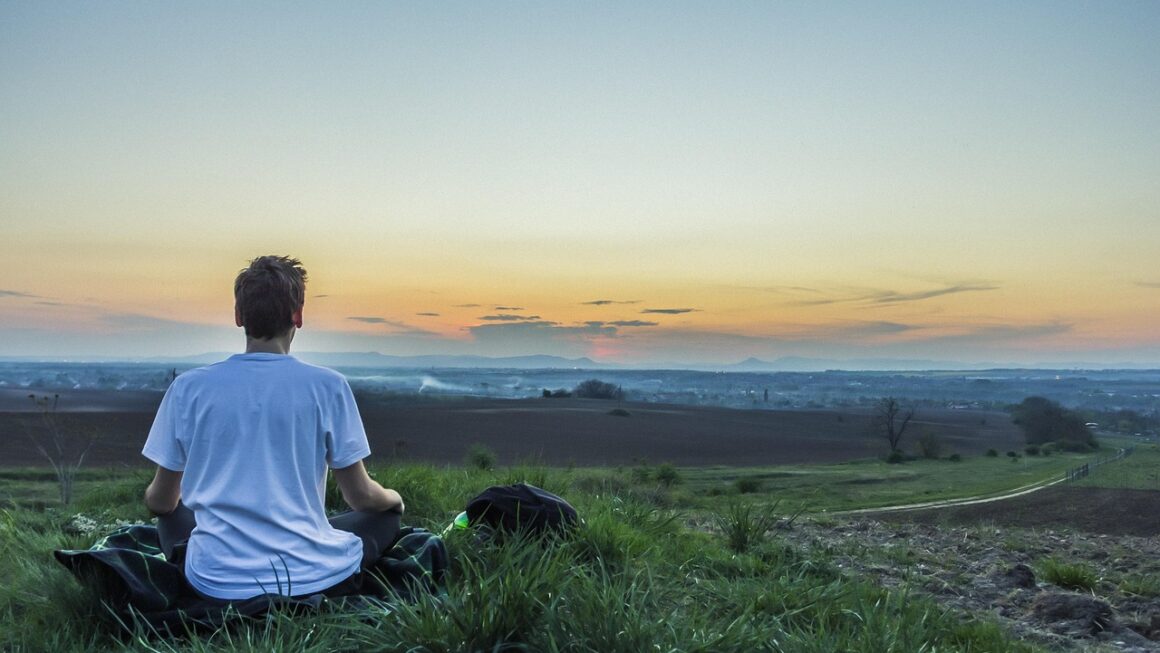
In our perpetually accelerating world, the quest for inner peace and mental clarity has never been more urgent. Many of us find ourselves caught in a relentless cycle of stress, anxiety, and distraction, constantly searching for a way to break free. While countless techniques promise tranquility, one ancient practice stands out for its profound, non-sectarian approach to self-discovery and liberation: Vipassana meditation. Originating from India over 2,500 years ago and rediscovered for modern times, Vipassana offers a direct path to experiencing reality as it truly is, fostering deep wisdom and lasting serenity.
What is Vipassana Meditation? Unveiling Ancient Wisdom for Modern Minds
Vipassana, meaning “to see things as they really are,” is one of India’s most ancient techniques of meditation. It’s a logical process of mental purification through self-observation, designed to eradicate mental impurities and develop an understanding of oneself. Far from being a mere relaxation technique, Vipassana is a rigorous and scientific method for profound self-transformation.
The Core Principle: Seeing Things as They Really Are
- Insight Meditation: Vipassana is often referred to as “insight meditation” because its primary aim is to develop insight into the true nature of reality, specifically the impermanence (anicca), suffering (dukkha), and non-self (anatta) characteristics of existence.
- Direct Experience: Unlike practices that involve visualization or chanting, Vipassana focuses on direct, experiential observation of the mind-body phenomenon. It guides practitioners to feel subtle sensations within the body and observe the mind’s reactions without judgment.
- Historical Context: This technique was taught by Gautama Buddha as a universal remedy for universal ills. It was preserved in its pure form by a chain of teachers in Myanmar (Burma) and brought back to the general public in the 20th century by the renowned teacher S.N. Goenka.
Actionable Takeaway: Start by bringing a moment of non-judgmental awareness to your natural breath whenever you feel stressed. Notice the simple sensation of air entering and leaving your nostrils.
Not a Religion, But a Universal Practice
- Secular and Non-Sectarian: Vipassana is not a religion; it is a universal technique with no allegiance to any specific sect or belief system. People from all backgrounds, faiths, and nationalities can practice it.
- Focus on Ethics: The practice is rooted in universal moral principles, known as sila (morality), which include abstaining from killing, stealing, sexual misconduct, lying, and intoxicants. These ethical foundations are crucial for calming the mind sufficiently to begin the deeper work of Vipassana.
- Self-Exploration: It’s a journey of self-exploration and self-discovery, where you learn about the fundamental laws that govern your being through direct observation, rather than intellectualization.
Practical Example: Imagine you’re feeling angry. Instead of reacting or suppressing, Vipassana teaches you to observe the physical sensations associated with that anger – perhaps heat in your face, tension in your shoulders, or a churning in your stomach. By observing these sensations objectively, you begin to understand the impermanent nature of anger and its physical manifestations, thus weakening its hold.
The Transformative Vipassana 10-Day Course: A Journey Within
For most people, the introduction to Vipassana comes through a residential 10-day course, typically offered free of charge (supported by donations from old students). This intensive immersion is designed to give participants a solid foundation in the technique.
The Structure of the Course
- Noble Silence: Participants observe “Noble Silence” from the beginning of the course until the morning of the last full day. This means no talking, gesturing, reading, writing, or communication with others, creating an environment conducive to deep introspection.
- Rigorous Schedule: The daily schedule begins around 4:00 AM and concludes at 9:00 PM, consisting of approximately 10 hours of meditation, interspersed with meal breaks and short rests.
- Teacher Guidance: The technique is taught step-by-step through recorded discourses by S.N. Goenka, complemented by live guidance from assistant teachers who provide clarification and support.
Actionable Takeaway: Prepare mentally for the commitment. The intensity is what allows for deep progress; embrace the challenge as part of the purification process.
The Progression of Practice
- Anapana-sati (Days 1-3): The initial days are dedicated to Anapana-sati, focusing awareness on the natural, normal breath as it enters and leaves the nostrils. This practice sharpens the mind and develops concentration (samadhi).
- Vipassana Proper (Days 4-9): Once the mind is sufficiently sharpened, students are introduced to Vipassana itself. This involves systematically observing subtle sensations throughout the body, moving from head to feet and vice versa. The goal is to observe these sensations without reacting with craving (pleasant sensations) or aversion (unpleasant sensations), cultivating equanimity.
- Equanimity: The core of Vipassana lies in developing equanimity towards all sensations. By observing the impermanent nature of every sensation, whether pleasant, unpleasant, or neutral, practitioners understand that craving and aversion only lead to further suffering.
Practical Example: During meditation, you might feel an intense itch. Instead of scratching, you observe the sensation: its location, intensity, and how it changes. You learn that even intense sensations are impermanent, they arise and pass away, and your reaction to them is what truly causes distress.
Why 10 Days? The Depth of Immersion
The 10-day duration is crucial for several reasons:
- Breaking Habit Patterns: It takes sustained, uninterrupted effort to begin chipping away at deeply ingrained mental habit patterns (sankharas) that have accumulated over a lifetime.
- Sufficient Depth: The length allows the mind to settle, become subtle, and observe the deeper roots of suffering, rather than just superficial symptoms.
- Full Cycle of Learning: The course is structured to systematically guide the student through all stages of the technique, from basic concentration to the development of wisdom and compassion.
Profound Benefits of Practicing Vipassana
Regular Vipassana practice offers a wealth of benefits that extend far beyond the meditation cushion, impacting every aspect of a person’s life.
Enhanced Mental Clarity and Focus
- Reduced Mental Clutter: By systematically observing thoughts and sensations, practitioners learn to detach from the constant chatter of the mind, leading to greater mental spaciousness.
- Improved Concentration: The initial Anapana practice significantly enhances one’s ability to focus and sustain attention, a skill invaluable in professional and personal life.
- Better Decision-Making: With a clearer mind and reduced emotional reactivity, individuals can approach problems with greater objectivity and make more sound decisions.
Example: Many professionals report that Vipassana helps them manage information overload, prioritize tasks, and remain calm under pressure, leading to increased productivity and job satisfaction. Studies suggest that mindfulness meditation can improve attention and working memory, which are crucial for cognitive function.
Stress Reduction and Emotional Resilience
- Observing Emotions: Vipassana teaches you to observe emotions as sensations in the body, rather than being swept away by them. This creates a healthy distance and choice in how you respond.
- Reduced Reactivity: By developing equanimity towards unpleasant sensations and emotions, the automatic “fight or flight” response is gradually weakened, leading to a more calm and balanced temperament.
- Lowered Stress Hormones: While specific to Vipassana, general mindfulness research indicates that regular practice can lead to decreased levels of cortisol, the body’s primary stress hormone, fostering overall well-being.
Actionable Takeaway: When feeling stressed or overwhelmed, pause and take three conscious breaths. Notice any physical tension in your body, and simply observe it without trying to change it for a moment.
Deeper Self-Awareness and Personal Growth
- Understanding Root Causes: Vipassana helps uncover the underlying causes of one’s suffering, such as ingrained patterns of craving and aversion.
- Breaking Negative Habits: By bringing awareness to unconscious reactions, practitioners gain the power to consciously choose their responses, leading to the gradual eradication of negative habits and addictions.
- Fostering Compassion: As one purifies their own mind, compassion (metta) naturally arises, extending goodwill to all beings.
Practical Detail: Through observing the continuous flow of sensations, you realize the impermanence of everything, including your own “self.” This profound understanding can liberate you from identity-based suffering and foster a deeper sense of connection with others.
Practical Tips for Integrating Vipassana into Daily Life
The true test of Vipassana lies not just in the 10-day course, but in its consistent application in daily living. Integrating these principles ensures lasting benefits and continuous growth.
Maintaining Your Daily Practice
- Consistency is Key: Aim for two sittings a day, morning and evening, for at least an hour each. If an hour isn’t possible, even 15-30 minutes consistently can make a difference.
- Find a Quiet Space: Dedicate a specific, quiet corner for your meditation, free from distractions. This creates a strong association between the space and your practice.
- Re-establish Noble Silence: Before each sitting, remind yourself to observe inner “Noble Silence” by refraining from planning, remembering, or fantasizing.
Actionable Takeaway: Schedule your meditation times like any other important appointment. Consistency builds momentum and strengthens your mental muscles.
Applying Vipassana Principles Off the Cushion
- Mindful Moments: Bring awareness to mundane activities like eating, walking, or washing dishes. Notice the sensations, the movements, the tastes.
- Observing Reactions: In challenging situations, whether it’s traffic or a difficult conversation, try to observe the sensations in your body and mind before reacting. Ask yourself, “What am I feeling right now?”
- Equanimity in Action: When faced with pleasant or unpleasant events, remind yourself of “anicca” (impermanence). Neither cling to the pleasant nor push away the unpleasant, knowing both will pass.
Practical Example: You receive an email that triggers frustration. Instead of immediately typing an angry response, pause. Notice the tightness in your chest or the heat in your face. Observe these sensations for a minute, acknowledging their presence without judgment. This brief moment of awareness can shift your response from reactive to constructive.
Continued Learning and Community
- Group Sittings: Participate in local group sittings with other Vipassana students. This offers mutual support and helps reinforce your practice.
- Service (Dhamma Seva): Consider volunteering for a future course. Serving others provides an opportunity to practice selfless action and reinforce the Dhamma principles.
- Further Courses: As your practice deepens, explore opportunities for longer courses (e.g., 20-day, 30-day) or specialized courses for old students.
Addressing Common Misconceptions and Challenges
Vipassana, being a profound practice, often comes with certain questions and challenges. Addressing these openly helps clarify the path for new and experienced practitioners alike.
“Is Vipassana a Cult or a Religion?”
- Universal Teachings: Vipassana is based on universal truths (Dhamma) about mind and matter, suffering and its cessation, which are applicable to everyone regardless of their background. It does not require conversion to any belief system.
- No Guruship: While teachers are revered, the emphasis is always on self-reliance and direct experience. The technique empowers individuals to be their own master through observation.
- Ethical Foundation: The moral code (sila) taught is universal: non-harming, truthfulness, etc. These are not religious doctrines but common-sense principles for peaceful coexistence.
Statistic: The S.N. Goenka tradition of Vipassana has taught millions of people globally across hundreds of centers, highlighting its widespread acceptance and non-sectarian appeal.
Overcoming Discomfort and Difficulties
- Physical Pain: Long hours of sitting can cause discomfort. The practice encourages observing this pain as a sensation, without reacting with aversion, understanding its impermanence.
- Mental Restlessness: The mind will be extremely active initially. This is normal. The goal is not to stop thoughts but to observe them without getting entangled, returning to body sensations.
- Strong Emotions: During a course, suppressed emotions or past traumas may surface. The technique provides tools to observe these without judgment, allowing them to pass naturally.
Practical Tip: When facing intense discomfort, physical or mental, mentally repeat “anicca, anicca” (impermanent, impermanent). Remind yourself that like all sensations, this too shall pass.
Finding a Reputable Vipassana Center
- Official Website: The primary resource for authentic Vipassana courses in the tradition of S.N. Goenka is Dhamma.org. This website lists all centers worldwide and provides registration information.
- Teacher Qualification: Ensure that any teacher or center you consider follows the established method and ethical guidelines to ensure a safe and effective learning environment.
- Prepare Thoroughly: Read all course information and guidelines provided by the center before attending to ensure you are fully prepared for the immersive experience.
Actionable Takeaway: If considering a course, visit Dhamma.org and explore the resources. Don’t rush into it; ensure you understand the commitment required.
Conclusion
Vipassana meditation is more than just a technique; it’s a profound journey of self-discovery, leading to a life of greater awareness, peace, and freedom from suffering. By learning to observe the mind-body phenomenon objectively, practitioners cultivate deep insight into the impermanent nature of existence, fundamentally transforming their relationship with themselves and the world around them. While the 10-day course provides an intense immersion, the real magic happens when these ancient wisdom teachings are integrated into the fabric of daily life. Whether you’re seeking relief from stress, enhanced clarity, or a deeper understanding of your own being, Vipassana offers a clear, practical, and highly effective path forward. Embrace the challenge, commit to the journey, and unlock the profound potential for inner transformation that lies within.