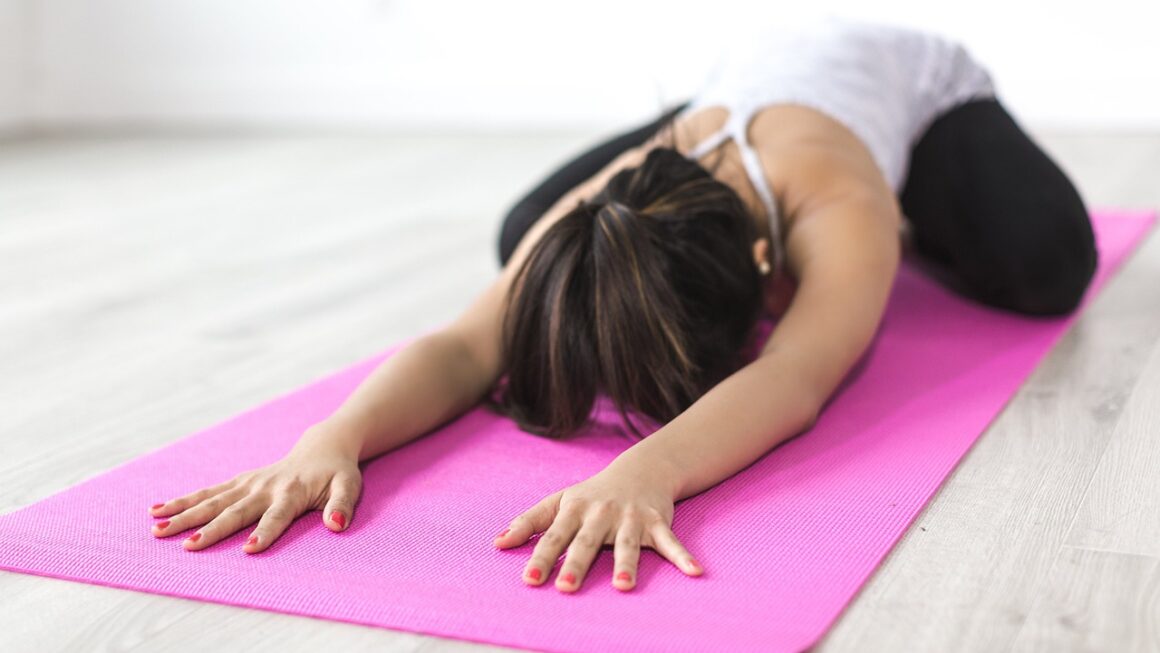
In our fast-paced, digitally driven world, it’s easy to disconnect from our bodies and live primarily in our heads. We often rush through our physical activities, whether it’s a strenuous workout or a simple walk, without truly experiencing the sensations, breath, and profound connection between our mind and body. Enter mindful movement – a powerful practice that invites us to slow down, tune in, and engage with our physical self with intention, awareness, and a non-judgmental attitude. It’s not just about exercise; it’s about cultivating a deeper relationship with yourself, fostering holistic well-being, and finding moments of peace in every motion.
What is Mindful Movement?
Mindful movement is the practice of paying deliberate, non-judgmental attention to the physical sensations, breath, and movements of your body as you engage in any physical activity. It’s about bringing the principles of mindfulness – presence, awareness, and acceptance – into your physical expression. Unlike traditional exercise, where the focus might be solely on performance, calorie burning, or achieving a specific aesthetic, mindful movement emphasizes the process over the outcome.
Beyond Just Exercise
While many forms of mindful movement can be excellent exercise, the primary goal is not always cardiovascular fitness or muscle building. Instead, it’s about:
- Cultivating Body Awareness: Learning to listen to your body’s signals, understanding its limits, and appreciating its capabilities.
- Engaging the Present Moment: Anchoring your attention to what is happening right now, rather than dwelling on past regrets or future anxieties.
- Non-Judgmental Observation: Noticing sensations without labeling them as “good” or “bad,” but simply observing them as they are.
- Intentionality: Moving with purpose and awareness, rather than on autopilot.
Imagine going for a run where you’re acutely aware of your feet striking the ground, the rhythm of your breath, the feel of the air on your skin, and the subtle shifts in your posture. This is mindful movement in action, transforming a routine activity into a meditative experience.
The Core Principles
At its heart, mindful movement is guided by a few fundamental principles:
- Attention to Breath: The breath is often used as an anchor to the present moment, guiding and deepening the movement.
- Somatic Sensation Awareness: Noticing how your body feels – tension, release, stretching, strength – without attachment.
- Curiosity and Exploration: Approaching movement with an open mind, exploring how your body moves and what feels right.
- Self-Compassion: Being kind to yourself, especially when faced with discomfort or perceived limitations.
By embodying these principles, you transform physical activity into a profound practice of self-discovery and holistic connection.
The Transformative Benefits of Connecting Mind and Body
The integration of mind and body through mindful movement offers a cascade of benefits, impacting every facet of your well-being. Studies consistently highlight the positive effects of mindfulness practices on both mental and physical health.
Mental and Emotional Well-being
- Stress Reduction: By focusing on the present, mindful movement helps disrupt the cycle of rumination and worry, significantly lowering stress levels and activating the body’s relaxation response.
- Improved Focus and Concentration: Regularly bringing your attention back to your body and breath strengthens your ability to concentrate and stay present in other areas of your life.
- Enhanced Emotional Regulation: By observing emotions without judgment during movement, you develop a greater capacity to understand and manage your emotional responses in challenging situations.
- Reduced Anxiety and Depression: Engaging the parasympathetic nervous system through mindful practices can alleviate symptoms of anxiety and contribute to a more positive mood.
- Increased Self-Awareness: Understanding your body’s subtle cues translates into a deeper understanding of your emotional and mental states.
Actionable Takeaway: Before your next activity, set an intention to notice three specific sensations in your body and how they change throughout the movement.
Enhanced Physical Health
- Pain Management: Mindful movement can change your relationship with chronic pain by shifting focus from avoidance to gentle awareness, potentially reducing its intensity and impact.
- Improved Posture and Balance: Heightened body awareness helps you identify and correct postural imbalances, leading to better alignment and reduced risk of falls.
- Increased Flexibility and Strength: Many mindful movement practices, such as yoga and Tai Chi, naturally build flexibility, strength, and range of motion through controlled, conscious movements.
- Better Sleep Quality: Reducing stress and calming the nervous system through mindful movement can significantly improve sleep patterns and overall restfulness.
- Boosted Immune Function: Lowered stress levels are directly linked to a more robust immune system, helping your body fight off illness more effectively.
Actionable Takeaway: Pay attention to your posture throughout the day, gently correcting slumping shoulders or a jutting neck with conscious adjustments.
Cultivating Inner Peace
Beyond specific health benefits, mindful movement fosters a profound sense of inner peace and tranquility. It provides a sanctuary where you can escape the external noise and reconnect with your inner self. This continuous practice helps you build resilience, compassion, and a more positive outlook on life, allowing you to navigate challenges with greater ease and grace.
Actionable Takeaway: Dedicate 5-10 minutes each day to a mindful movement, focusing solely on the internal experience, and notice the sense of calm it brings.
Popular Practices to Explore
While any movement can become mindful, several established practices are specifically designed to cultivate this mind-body connection. These traditions offer structured pathways to explore the depths of mindful movement.
Yoga and Pilates
These practices are perhaps the most widely recognized forms of mindful movement in the Western world.
- Yoga: Originating in ancient India, yoga combines physical postures (asanas), breathing techniques (pranayama), and meditation. Different styles, like Hatha, Vinyasa, or Yin, offer varying intensities and focuses, but all emphasize linking breath to movement, internal awareness, and spiritual well-being.
- Pilates: Developed by Joseph Pilates, this method focuses on strengthening the core, improving flexibility, balance, and posture. It emphasizes precise, controlled movements, mindful breathing, and muscle engagement, making it an excellent practice for building body awareness and functional strength.
Practical Example: In a yoga class, instead of just moving from one pose to the next, a mindful practitioner focuses on the feeling of their feet grounding, the stretch in their hamstrings, and the steady flow of their breath as they transition.
Tai Chi and Qigong
These ancient Chinese practices are often described as “meditation in motion.”
- Tai Chi: A gentle martial art that involves a series of slow, continuous, flowing movements. It’s renowned for improving balance, flexibility, cardiovascular health, and reducing stress. The emphasis is on fluid transitions, natural breathing, and cultivating “chi” (life energy).
- Qigong: A broader system that includes various exercises, postures, breathing techniques, and meditations. It aims to cultivate and balance energy within the body, promoting health and vitality. Qigong movements are often simpler and more repetitive than Tai Chi forms.
Practical Example: Practicing Tai Chi, you might focus on the sensation of your weight shifting from one foot to the other, the subtle rotation of your hips, and the expansion and contraction of your chest with each breath.
Walking Meditation and Mindful Stretching
You don’t need a specialized class to practice mindful movement. Everyday activities can be transformed.
- Walking Meditation: This involves bringing full awareness to the act of walking. Pay attention to the sensation of your feet touching and leaving the ground, the rhythm of your steps, the swing of your arms, and your breath. It can be practiced anywhere – on a nature trail, in a park, or even down a hallway.
- Mindful Stretching: Instead of mindlessly pulling into a stretch, approach it with curiosity. Notice where you feel tension, how your muscles lengthen, and how your breath can facilitate deeper release. Hold stretches for a moment, observing the subtle changes.
Practical Example: During a walking meditation, you might internally narrate: “Lifting right foot, moving right foot forward, placing right heel down, rolling onto right sole, lifting left foot…” to keep your attention grounded.
Practical Steps to Integrate Mindful Movement into Your Routine
Incorporating mindful movement doesn’t require a complete overhaul of your lifestyle. Small, consistent steps can lead to significant changes in your connection to your body and mind.
Starting Your Journey
If you’re new to mindful movement, begin with simplicity and consistency.
- Choose Your Practice: Start with something accessible. This could be a 5-minute mindful stretch in the morning, a walking meditation during your lunch break, or a beginner yoga video.
- Set an Intention: Before you begin, briefly set an intention for your practice. It could be “to notice my breath,” “to feel my feet on the ground,” or “to move with kindness.”
- Minimize Distractions: Find a quiet space, if possible. Turn off your phone and any other potential interruptions.
- Focus on Your Breath: Use your breath as your primary anchor. Notice its rhythm, depth, and how it connects to your movements.
- Observe Sensations: Pay attention to what your body is feeling – warmth, coolness, tension, release, vibration. Just notice, without judgment.
- Start Small: Even 2-3 minutes of focused, mindful movement can make a difference. Gradually increase the duration as you feel more comfortable.
Actionable Takeaway: Try a 3-minute mindful pause. Stand up, feel your feet on the ground, take three deep breaths, and notice the sensations in your body. This can be done anywhere, anytime.
Everyday Mindfulness in Motion
Mindful movement isn’t confined to formal practices. You can infuse mindfulness into countless daily activities:
- Mindful Walking: As you walk to your car, workplace, or around the house, notice each step. Feel the ground beneath you, the swing of your arms, and the rhythm of your breath.
- Mindful Chores: When washing dishes, feel the warm water, the texture of the sponge, and the smooth surface of the plate. When sweeping, notice the sweeping motion and the sound of the broom.
- Mindful Stretching at Your Desk: Take micro-breaks to stretch your neck, shoulders, and wrists. Close your eyes and really feel the stretch, linking it with your breath.
- Mindful Eating: Pay attention to the act of lifting food, its smell, texture, and taste, noticing how your body responds to each bite.
Actionable Takeaway: Choose one routine activity today – like climbing stairs or drinking water – and perform it with complete, undivided attention to every sensation.
Overcoming Common Hurdles
Like any practice, mindful movement can present challenges. Be patient and compassionate with yourself.
- Distraction: It’s natural for your mind to wander. When you notice it, gently guide your attention back to your breath and body, without self-criticism.
- Impatience: Resist the urge to rush. The goal is not to “get it right” quickly, but to engage fully with the present moment.
- Discomfort: While mindful movement can help with pain, pushing through sharp pain is not recommended. Listen to your body and modify movements as needed. Always prioritize safety.
- Lack of Motivation: Remind yourself of the benefits. Even a short practice is better than none. Consider joining a class or finding an accountability partner.
Actionable Takeaway: If your mind wanders, acknowledge the thought, then gently bring your focus back to the sensation of your next inhale. Repeat as often as needed.
Conclusion
Mindful movement is a profound invitation to rediscover the wisdom of your own body and the power of presence. It’s a journey, not a destination, offering a path to greater physical health, emotional resilience, and deep inner peace. By consciously choosing to move with awareness, you not only transform your physical activities but also cultivate a more harmonious relationship with yourself and the world around you. So, take a breath, feel your feet on the ground, and begin your mindful movement journey today – one conscious step at a time. Your mind and body will thank you for it.