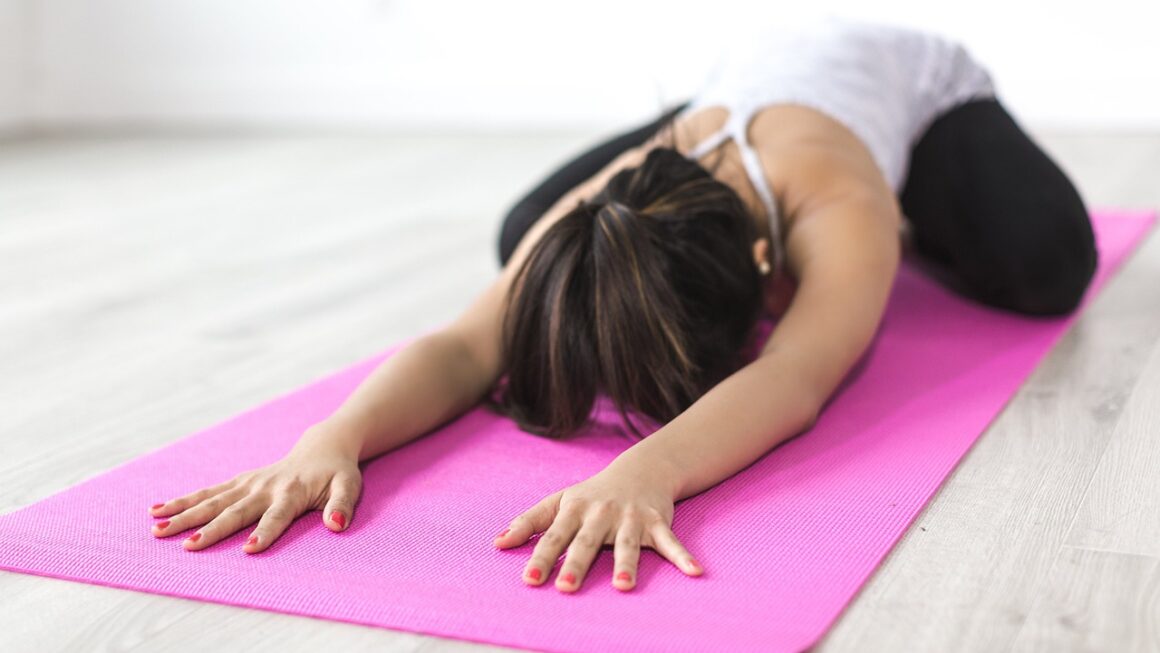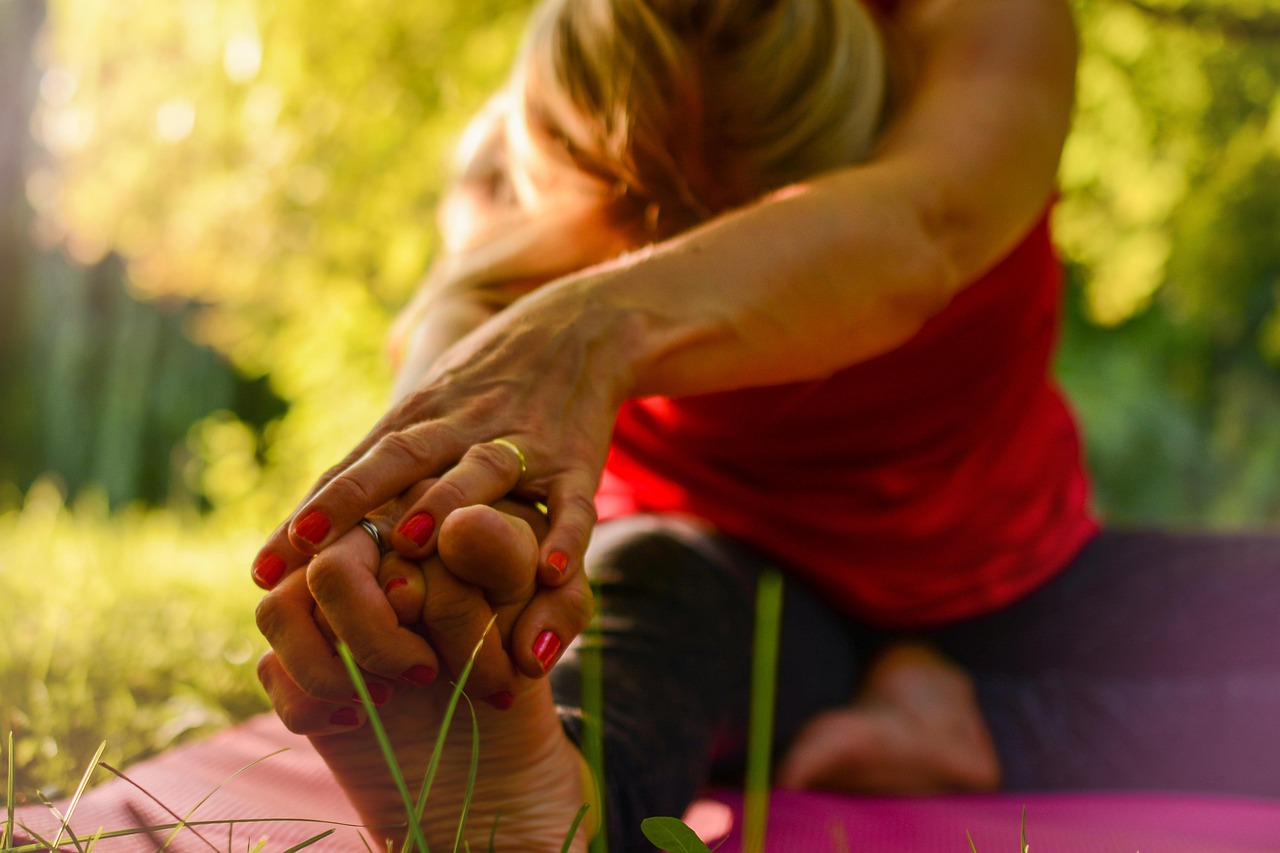
In the vast and serene world of yoga, where every breath is a journey and every pose a discovery, there’s one essential piece of equipment that often goes unnoticed yet underpins your entire practice: the yoga mat. Far more than just a colorful rectangle on the floor, your yoga mat is your personal sanctuary, your grounded space, and a silent partner in your pursuit of balance and strength. Choosing the right one can profoundly impact your comfort, stability, and even your connection to the practice itself. Let’s unroll the complexities of this crucial accessory and help you find the perfect foundation for your mindful movement.
Why Your Yoga Mat Matters More Than You Think
The humble yoga mat is the unsung hero of your practice. It’s not just about having a barrier between you and the floor; it’s about creating a safe, stable, and hygienic environment that allows you to fully immerse yourself in each pose.
The Foundation of Your Practice: Stability and Grip
Imagine attempting a downward dog or warrior III on a slippery surface. Your focus would shift from alignment and breath to simply trying not to fall. A good yoga mat provides the necessary traction and grip to keep your hands and feet firmly planted, preventing slips and potential injuries. This stability allows you to explore deeper stretches and challenging balances with confidence, knowing your foundation is secure.
- Reduced Risk of Injury: Slipping can lead to strains, sprains, or even more serious falls.
- Enhanced Confidence: A secure grip empowers you to push your boundaries safely.
- Improved Alignment: With a stable base, you can focus on proper form and muscle engagement.
Protecting Your Body: Cushioning and Support
While some practices thrive on minimal cushioning, for many, the right amount of padding is crucial. Knees, wrists, hips, and the spine all benefit from a supportive surface that absorbs impact and provides comfort, especially during poses that put direct pressure on these joints. This protection makes your practice more enjoyable and sustainable in the long run.
- Joint Protection: Cushions impact during kneeling, sitting, and lying poses.
- Increased Comfort: Makes longer holds and floor work more pleasant.
- Reduced Fatigue: Less stress on joints means you can practice longer without discomfort.
Hygiene and Personal Space
In public yoga studios, your mat defines your personal space and acts as a barrier against germs. It’s a clean, familiar surface that you bring to every class, ensuring a hygienic environment for your practice. Even at home, it delineates your sacred yoga zone, helping you transition mentally into a space of mindfulness and focus.
- Personal Hygiene: Your mat acts as a barrier from shared studio floors.
- Mental Transition: Unrolling your mat signals the start of your mindful practice.
- Sense of Ownership: A dedicated space enhances focus and presence.
Decoding Yoga Mat Materials: What’s Under Your Palms?
The material of your yoga mat dictates its grip, cushioning, durability, weight, and even its environmental impact. Understanding these differences is key to making an informed choice for your specific needs.
PVC (Polyvinyl Chloride): The Traditional Choice
PVC mats have long been the industry standard due to their sticky grip, excellent durability, and affordability. They are often easy to clean and maintain.
- Pros: Excellent grip (especially when dry), highly durable, relatively inexpensive, easy to clean.
- Cons: Not biodegradable, often contains phthalates (though many brands now offer phthalate-free versions), can have a strong initial odor.
- Best For: Beginners, general studio use, those prioritizing strong grip and budget.
Natural Rubber: Sustainable Grip
Sourced from rubber trees, these mats offer superior grip, especially as you start to sweat. They are a popular choice for their eco-friendly credentials and robust performance.
- Pros: Outstanding non-slip grip (wet or dry), biodegradable, sustainable resource, no harmful chemicals.
- Cons: Heavier than other materials, can have a distinct rubbery smell (which usually fades), not suitable for those with latex allergies, can degrade faster if left in direct sunlight.
- Best For: Hot yoga, power yoga, practitioners prioritizing superior grip and environmental responsibility.
TPE (Thermoplastic Elastomer): Lightweight and Eco-Conscious
TPE mats are a synthetic, often recyclable alternative that blends plastic and rubber polymers. They offer a good balance of grip, cushioning, and lightness.
- Pros: Lightweight, good cushioning, generally eco-friendlier than PVC (recyclable, sometimes biodegradable), latex-free.
- Cons: Grip can be less intense than natural rubber, may not be as durable as PVC for intense daily use.
- Best For: Travelers, those seeking a balance of features, practitioners with latex allergies.
Jute & Cotton: Earthy and Absorbent Options
These natural fiber mats are known for their earthy feel, excellent absorbency, and environmental friendliness. They are often layered with a rubber backing for added grip.
- Pros: Highly absorbent (great for sweat), natural feel, excellent eco-credentials, textured surface can enhance grip.
- Cons: Can be less padded, may require more frequent cleaning, not as “sticky” as pure rubber or PVC.
- Best For: Yogis preferring a natural, textured surface, those who sweat a lot and prefer absorbency over stickiness.
Key Features to Look for When Choosing Your Perfect Yoga Mat
Beyond material, several other factors contribute to a mat’s suitability for your practice. Consider these features carefully to ensure your investment serves you well.
Thickness and Cushioning: Comfort vs. Connection
Yoga mats typically range from 1mm to 6mm (or even thicker for specialized mats). The ideal thickness depends on your sensitivity, practice style, and portability needs.
- 1-2mm (Travel Mats): Extremely lightweight and portable, ideal for layering over studio mats or for travel. Offers minimal cushioning.
- 3-4mm (Standard Mats): A popular all-around choice. Offers a good balance of cushioning and stability, allowing for a strong connection to the floor.
- 5-6mm (Thick Mats): Provides maximum cushioning, great for sensitive joints, restorative yoga, Pilates, or therapeutic practices. Can make balancing poses more challenging.
Actionable Takeaway: If you have sensitive knees or practice mostly restorative yoga, opt for 5-6mm. For dynamic practices where ground connection is vital, 3-4mm is often preferred.
Grip and Texture: Staying Grounded
The texture of a mat can enhance its grip and overall feel. Some mats are smooth, while others have a raised pattern or natural texture. “Sticky” doesn’t just refer to the material; it also relates to how well it prevents slipping, especially when wet.
- Smooth Surface: Often found on PVC mats, providing a vacuum-like suction when dry.
- Textured Surface: Common on rubber, jute, or TPE mats, offering mechanical grip through patterns.
- Open-Cell vs. Closed-Cell: Open-cell mats absorb sweat and offer excellent wet grip but require more cleaning. Closed-cell mats are less absorbent, easier to clean, but may be slippery with heavy sweat.
Actionable Takeaway: For hot yoga or heavy sweaters, look for natural rubber or open-cell options, or consider a yoga towel to layer over your mat.
Portability and Weight: On-the-Go Practice
If you commute to a studio, travel frequently, or simply prefer to practice outdoors, the weight and ease of transport of your mat are crucial.
- Lightweight (1-2 lbs): Often TPE or thin travel mats. Easy to carry, but less cushioning.
- Standard (3-5 lbs): Most PVC, rubber, and TPE mats fall into this range. Manageable for daily commutes.
- Heavy (6+ lbs): Often dense rubber mats, providing superior stability and durability but less convenient for frequent travel.
Actionable Takeaway: Weigh your need for cushioning and durability against how often you’ll be carrying your mat. A lighter mat might mean less cushioning, or you might need a dedicated travel mat.
Durability and Longevity: An Investment
A good yoga mat is an investment. Consider how often you practice and how much wear and tear your mat will endure. High-quality mats, though often more expensive upfront, can last for many years with proper care.
- High-Density Materials: Generally more durable (e.g., natural rubber, high-grade PVC).
- Construction Quality: Look for well-made mats with strong bonding if layered.
- Warranty: Some premium brands offer lifetime warranties, indicating confidence in their product.
Actionable Takeaway: If you practice daily, invest in a durable mat like a natural rubber or high-quality PVC option to avoid frequent replacements.
Eco-Friendliness: Practicing with Conscience
For many yogis, the environmental impact of their gear is a significant concern. Choosing an eco-friendly yoga mat aligns with the principles of yoga and respect for the planet.
- Biodegradable Materials: Natural rubber, jute, cotton.
- Recyclable Materials: TPE, some types of rubber.
- Non-Toxic: Free from phthalates, heavy metals, and other harmful chemicals.
Actionable Takeaway: If sustainability is a priority, opt for mats made from natural rubber, TPE, jute, or cotton, and check for certifications like OEKO-TEX standard.
Caring for Your Yoga Mat: Extend Its Life and Your Practice
Proper care isn’t just about hygiene; it significantly extends the lifespan of your mat, preserving its grip and cushioning. A well-maintained mat is a happy mat, and a happy mat enhances your practice.
Daily Cleaning Rituals
After every practice, especially if you sweat, a quick wipe-down is essential to remove sweat, oils, and dirt.
- Gentle Wipe: Use a damp cloth with a mild yoga mat cleaner spray (or a DIY mix of water and a few drops of mild soap or white vinegar).
- Air Dry: Always let your mat air dry completely before rolling it up to prevent mold and mildew growth. Hang it over a shower rod or lay it flat.
Practical Tip: Keep a spray bottle with your chosen cleaning solution and a small towel handy near your mat for a quick post-practice wipe.
Deep Cleaning Techniques
Depending on how often you practice and how much you sweat, your mat will need a deeper clean periodically (e.g., once a week or month).
- Soak (for some materials): Some PVC and TPE mats can be submerged in a tub of lukewarm water with a small amount of gentle soap (like dish soap). Scrub gently with a soft brush or cloth. Rinse thoroughly.
- Spot Cleaning: For tougher stains, a paste of baking soda and water can be effective. Apply, let sit, then gently scrub and wipe clean.
- Avoid Harsh Chemicals: Alcohol-based cleaners can dry out and damage certain mat materials, especially natural rubber.
Actionable Takeaway: Always check the manufacturer’s cleaning instructions for your specific mat material to avoid damage.
Proper Storage Tips
How you store your mat also impacts its longevity.
- Roll Loosely: Roll your mat loosely rather than tightly to prevent creasing and stretching, especially if it’s a thicker mat.
- Store Upright or Flat: Keep it away from direct sunlight and extreme temperatures. Sunlight can degrade rubber and fade colors.
- Use a Mat Bag: A breathable yoga mat bag protects your mat from dust and physical damage when transporting or storing.
Practical Example: If your mat always sits rolled up with the practicing surface facing inwards, you might find the edges curl up during practice. Try rolling it with the practicing surface facing outwards to help it lie flat.
When to Replace Your Mat
Even the most durable mat won’t last forever. Watch for these signs that it’s time for an upgrade:
- Loss of Grip: If you find yourself consistently slipping even on a dry mat, the material may be worn out.
- Visible Wear and Tear: Cracks, flaking, or significant thinning indicate the mat is no longer providing adequate protection.
- Unpleasant Odor: If persistent smells remain even after thorough cleaning, bacteria might be deeply embedded.
- Lack of Cushioning: If your joints feel sore after practice on a once-comfortable mat, its cushioning properties have likely diminished.
Finding Your Match: Specific Mat Recommendations for Different Practices
There’s no one-size-fits-all “best yoga mat.” Your ideal mat depends heavily on your primary yoga style, personal preferences, and lifestyle.
For Hot Yoga Enthusiasts
Hot yoga demands exceptional grip, even when drenched in sweat. Natural rubber mats are often the top choice due to their superior wet traction. Many practitioners also opt for a dedicated yoga towel designed to absorb sweat and prevent slipping, laid over their mat.
- Material: Natural rubber (e.g., Manduka GRP, Liforme Yoga Mat).
- Features: Open-cell construction for maximum absorbency, or a textured surface for enhanced grip.
- Tip: Always pair with a good quality, absorbent yoga towel.
For Restorative and Gentle Practices
Comfort and cushioning are paramount in practices like restorative yoga, Yin yoga, or Pilates, where you hold poses for extended periods or spend a lot of time on your knees and hips.
- Thickness: 6mm or even thicker (e.g., extra-thick NBR mats).
- Material: PVC or TPE for ample cushioning and durability.
- Features: Soft, supportive feel that minimizes pressure on joints.
For Travelers and On-the-Go Yogis
Portability, lightness, and the ability to fold or roll compactly are key for those who travel frequently or commute to their yoga studio.
- Thickness: 1-2mm (travel mats).
- Material: Lightweight TPE or thin natural rubber.
- Features: Foldable design, lightweight construction, often comes with a travel bag. Examples include brands offering “travel versions” of their popular mats.
For Beginners and General Use
A good all-around mat that offers a balance of grip, cushioning, and durability is ideal for those starting their yoga journey or practicing a variety of styles.
- Thickness: 3-4mm.
- Material: PVC (phthalate-free recommended) or TPE.
- Features: Reliable grip, moderate cushioning, good value for money. Many reputable brands offer excellent entry-level options.
Actionable Takeaway: Consider visiting a yoga store or studio to physically feel different mats before purchasing. What feels good to one person might not feel right for another.
Conclusion
Your yoga mat is more than just a piece of equipment; it’s a dedicated space for your growth, healing, and mindfulness. By understanding the various materials, features, and care requirements, you can make an informed decision that elevates your practice, protects your body, and aligns with your values. Invest wisely in your yoga mat, care for it diligently, and it will serve as a steadfast companion on your journey toward deeper connection, strength, and inner peace. Unroll your perfect mat and step onto your path with confidence!