In the vast universe of yoga asanas, one pose stands out as a universally recognized symbol of the practice: Downward-Facing Dog, or Adho Mukha Svanasana. More than just a transitional posture, Downward Dog is a complete body experience, a grounding reset, and a fundamental building block for countless other poses. Whether you’re a seasoned yogi or stepping onto the mat for the very first time, this iconic inverted V-shape offers a wealth of physical and mental benefits, stretching, strengthening, and calming you from head to toe. Let’s delve deep into the essence of this powerful pose and unlock its full potential.
Understanding Adho Mukha Svanasana: The Foundation of Yoga
What is Downward Dog?
Downward-Facing Dog, known in Sanskrit as Adho Mukha Svanasana, translates literally to “Downward-Facing Dog Pose.” It mimics the natural stretch a dog performs when waking up or getting ready to play. This pose is characterized by its inverted V-shape, with hands and feet on the ground, hips lifted high, and the spine lengthening. It’s often one of the first poses taught in any yoga class due to its comprehensive nature and foundational role.
- Sanskrit Name: Adho Mukha Svanasana
- Literal Translation: Adho (downward) Mukha (face) Svana (dog) Asana (pose)
- Common Usage: Used as a resting pose, a transition between sequences, and a preparatory pose for inversions.
Historical Context & Significance
While the precise historical origins of every yoga asana are often debated, poses resembling Downward Dog have been depicted in ancient texts and practices, highlighting the human instinct to stretch and lengthen the spine. In modern yoga, particularly styles like Vinyasa, Ashtanga, and Hatha, Adho Mukha Svanasana is indispensable. It’s a pose of paradoxes: both a moment of rest and an active engagement, simultaneously strengthening and stretching the entire body. Its frequent appearance in sequences helps build endurance and body awareness.
- Ancient Roots: Variations of stretching and inverted poses have been practiced for millennia.
- Modern prominence: A cornerstone in almost all contemporary yoga styles.
- Symbolism: Represents grounding, awakening, and finding balance amidst effort.
The Myriad Benefits of Downward Dog
The beauty of Downward Dog lies in its ability to simultaneously engage and release, offering a holistic range of advantages for both body and mind. It’s truly a full-body experience.
Physical Benefits
Regular practice of Adho Mukha Svanasana contributes significantly to overall physical well-being. It’s a powerful combination of strengthening and lengthening.
- Full Body Stretch: Lengthens the spine, hamstrings, calves, shoulders, and Achilles tendons. Many people find relief from lower back tightness.
- Strengthens Upper Body and Core: Builds strength in the arms, shoulders, wrists, and abdominal muscles. It’s an excellent way to prepare for arm balances.
- Improves Flexibility: Consistently stretches the posterior chain, increasing range of motion in the hips and shoulders. A study published in the International Journal of Yoga highlighted the positive impact of regular yoga practice on flexibility and balance.
- Enhances Bone Health: As a weight-bearing pose, it helps strengthen bones in the hands, wrists, and feet, potentially aiding in osteoporosis prevention.
- Improves Circulation: As a mild inversion, it encourages blood flow to the brain, which can invigorate and refresh the mind.
- Relieves Back Pain: By decompressing the spine and stretching the back muscles, it can alleviate common lower back discomfort.
Mental & Emotional Benefits
Beyond the physical, Downward Dog is a powerful tool for mental clarity and emotional regulation.
- Calms the Brain and Helps Relieve Stress: The mild inversion and focus on breath can quiet the nervous system, reducing anxiety and stress.
- Increases Focus and Concentration: The attention required for proper alignment and breath awareness helps to cultivate mindfulness.
- Boosts Energy and Reduces Fatigue: By increasing blood flow and stretching the entire body, it can combat feelings of sluggishness and revitalize the system.
- Grounding and Centering: Pressing hands and feet firmly into the earth creates a sense of stability and connection.
Mastering the Pose: Step-by-Step Guide and Alignment
Achieving a safe and effective Downward Dog is all about proper alignment. It’s not about achieving a perfect “V” shape immediately, but rather finding length and stability in your unique body.
Setting Up for Success
You can enter Downward Dog from various starting points, but two common methods ensure good spacing.
- From Tabletop: Start on your hands and knees, wrists directly under shoulders, knees under hips. Spread your fingers wide, curl your toes under, and on an exhale, lift your hips towards the sky, straightening your legs as much as comfortable.
- From Plank: Start in a plank position, hands shoulder-width apart, feet hip-width apart. On an exhale, lift your hips high and back, drawing your chest towards your thighs.
Practical Tip: A good measure for hand-to-foot distance is to come into plank first, then lift your hips. This generally gives you the ideal length.
Detailed Alignment Cues
Pay close attention to these details to maximize your Downward Dog experience:
- Hands: Spread your fingers wide, pressing through all ten knuckles, especially the base of your index finger and thumb. This distributes weight evenly and protects your wrists. Your hands should be shoulder-width apart.
- Arms: Keep your arms straight, externally rotating your triceps towards the back of the room, while drawing your biceps forward. Avoid locking your elbows.
- Shoulders: Broaden your shoulders away from your ears, drawing your shoulder blades down your back.
- Spine: Prioritize a long, straight spine over straight legs. Imagine your tailbone reaching towards the ceiling. Engage your core gently to support your lower back.
- Hips: Lift your hips high and back, as if being pulled by a string from your tailbone.
- Legs: Your knees can be generously bent, especially if your hamstrings are tight. The goal isn’t to touch your heels to the floor, but to maintain a long spine. Press your thighs back.
- Feet: Keep your feet hip-width apart, parallel, with toes pointing straight forward. Press through your heels (even if they don’t touch the floor).
- Gaze: Gaze gently towards your navel or between your feet to keep your neck long and relaxed.
Common Mistakes and How to Avoid Them
Even seasoned practitioners can fall into these habits. Self-awareness is key.
- Rounded Back: Often due to tight hamstrings or a desire to straighten the legs too soon.
- Fix: Bend your knees deeply to allow your spine to lengthen. Focus on pushing your chest towards your thighs.
- Shoulders Shrugging to Ears: This creates tension in the neck and upper back.
- Fix: Actively broaden your shoulders and draw your shoulder blades down your back.
- Hyperextended Elbows: Locking the elbows can put undue pressure on the joints.
- Fix: Maintain a micro-bend in your elbows, engaging the muscles around the joint.
- Wrists Collapsing: Too much weight concentrated on the heel of the hand.
- Fix: Actively press through the base of your fingers and knuckles, spreading the weight evenly across your palms.
Variations and Modifications for Every Body
Downward Dog is adaptable. Don’t be afraid to modify it to suit your body’s needs and current capabilities.
Beginner-Friendly Modifications
If you’re new to yoga or have physical limitations, these variations can make the pose more accessible.
- Deeply Bent Knees: The most common and effective modification. Bend your knees generously to focus on lengthening your spine, lifting your hips high, and pushing your chest towards your thighs. Over time, your hamstrings will lengthen, and you can gradually straighten your legs.
- Hands on Blocks: Place yoga blocks under your hands to elevate your upper body. This provides more space for the spine and can be helpful for tight shoulders or wrists.
- Puppy Pose (Uttana Shishosana): A fantastic preparatory pose that stretches the shoulders and spine without the full weight-bearing of Downward Dog. Kneel on all fours, then walk your hands forward, keeping your hips over your knees, and melt your chest towards the floor.
- Wall Downward Dog: Stand facing a wall, place your hands on the wall at hip height, and walk your feet back until your body forms an L-shape. This reduces the load on the wrists and shoulders.
Advanced Variations
Once you’re comfortable with the basic pose, explore these variations to deepen your practice.
- One-Legged Downward Dog (Eka Pada Adho Mukha Svanasana): From Downward Dog, lift one leg high towards the sky, keeping your hips square or opening them up for a hip stretch. This builds core strength and balance.
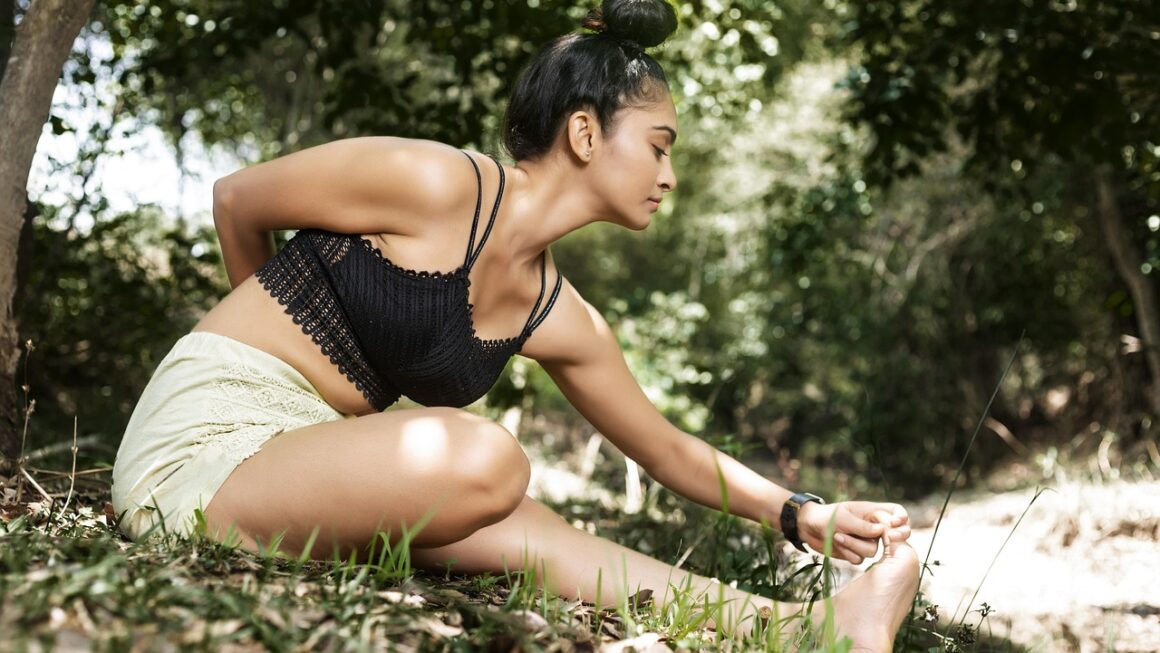
- Twisted Downward Dog: From Downward Dog, reach your right hand back to grasp your left ankle or shin, twisting your torso to look under your left armpit. Repeat on the other side. This adds a spinal twist and shoulder stretch.
- Dolphin Pose (Ardha Pincha Mayurasana): A forearm variation that strengthens the shoulders and core while preparing for forearm stands. Instead of hands, press your forearms and elbows into the mat, lifting your hips high.
Using Props Effectively
Props aren’t just for beginners; they can enhance the experience for all levels.
- Yoga Blocks: As mentioned, placing them under your hands can create more space. They can also be placed between your thighs and squeezed to engage inner thigh muscles and stabilize the pelvis.
- Yoga Straps: Loop a strap around your upper arms, just above the elbows, to prevent them from splaying out and encourage shoulder engagement.
- Wall: Press your heels against a wall to deepen the calf and hamstring stretch, encouraging them closer to the floor.
Integrating Downward Dog into Your Routine
Downward Dog is not just a standalone pose; it’s a versatile tool that can be woven into various parts of your yoga practice and daily life.
Warm-ups & Cool-downs
Downward Dog serves as an excellent transition and preparatory pose at the beginning of a practice and a restorative one at the end.
- Dynamic Warm-up: Flowing from Plank to Downward Dog to Plank helps warm up the entire body, link breath with movement, and build heat.
- Gentle Cool-down: Holding Downward Dog for a longer period at the end of a practice can help stretch out muscles that have been worked and transition the body towards rest.
Daily Practice
You don’t need a full hour-long class to reap the benefits of Downward Dog. Even a few minutes a day can make a difference.
- Morning Stretch: Start your day with 3-5 breaths in Downward Dog to awaken the spine and energize the body.
- Desk Break: If you work at a desk, a quick Downward Dog can counteract slouching, relieve tension in the neck and shoulders, and refresh your mind.
- Stress Buster: Whenever you feel overwhelmed, step into Downward Dog, focus on your breath, and feel the grounding energy.
Complementary Poses
Downward Dog often appears in sequences with other poses that enhance its effects or serve as natural transitions.
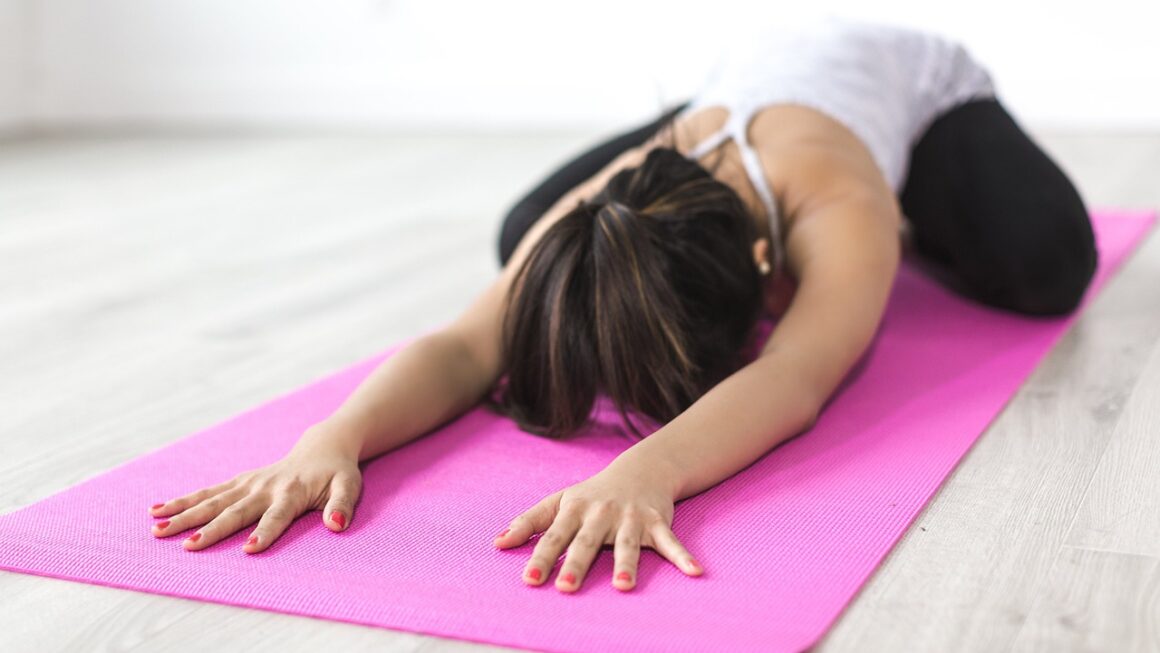
- Child’s Pose (Balasana): Often taken as a resting pose after Downward Dog, it offers a gentle counter-stretch for the spine and a deeper sense of relaxation.
- Plank Pose: The dynamic flow between Plank and Downward Dog (often seen in Sun Salutations) builds core strength and endurance.
- Chaturanga Dandasana (Four-Limbed Staff Pose): Downward Dog often precedes or follows Chaturanga, helping to transition between standing and floor poses.
- Standing Forward Folds: Poses like Uttanasana (Standing Forward Fold) complement the hamstring stretch of Downward Dog.
Conclusion
Downward-Facing Dog is far more than just a yoga pose; it’s a testament to the profound intelligence of the body and the enduring power of ancient practices. Its unique blend of strength, flexibility, and introspection makes it an invaluable asset in any yoga journey. From its ability to invigorate the body and calm the mind to its adaptability for all levels, Adho Mukha Svanasana truly embodies the holistic spirit of yoga.
Embrace the journey of discovery within this iconic posture. Listen to your body, make modifications when needed, and allow yourself to explore the depths of its benefits. As you continue to practice, you’ll find Downward Dog becoming a sanctuary, a familiar anchor that grounds you, strengthens you, and continually reminds you of your inherent resilience. So, step onto your mat, find your breath, and allow Downward-Facing Dog to open new possibilities in your body and mind.